Over the past several years, sustainability has shifted from a marketing advantage to a procurement requirement. Retailers, pet brands, and distributors are increasingly expected to demonstrate responsible sourcing practices while maintaining competitive pricing and product performance.
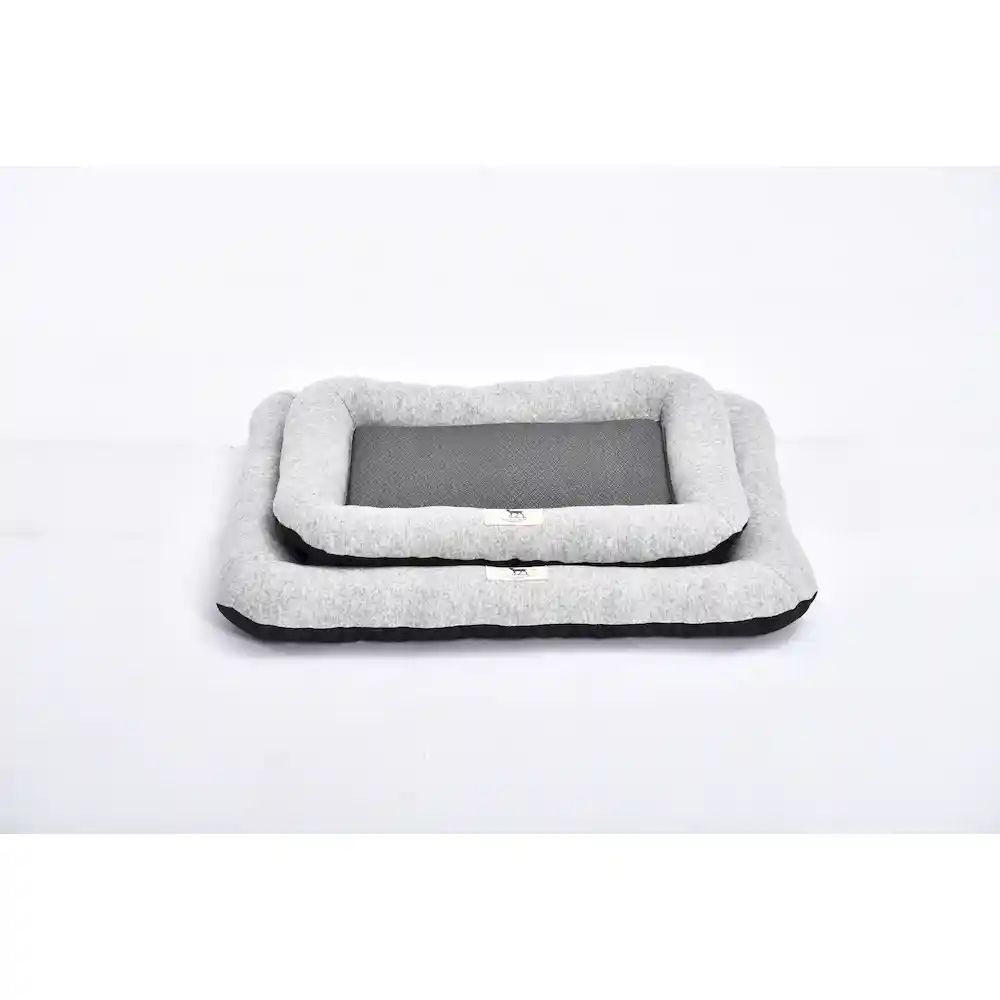
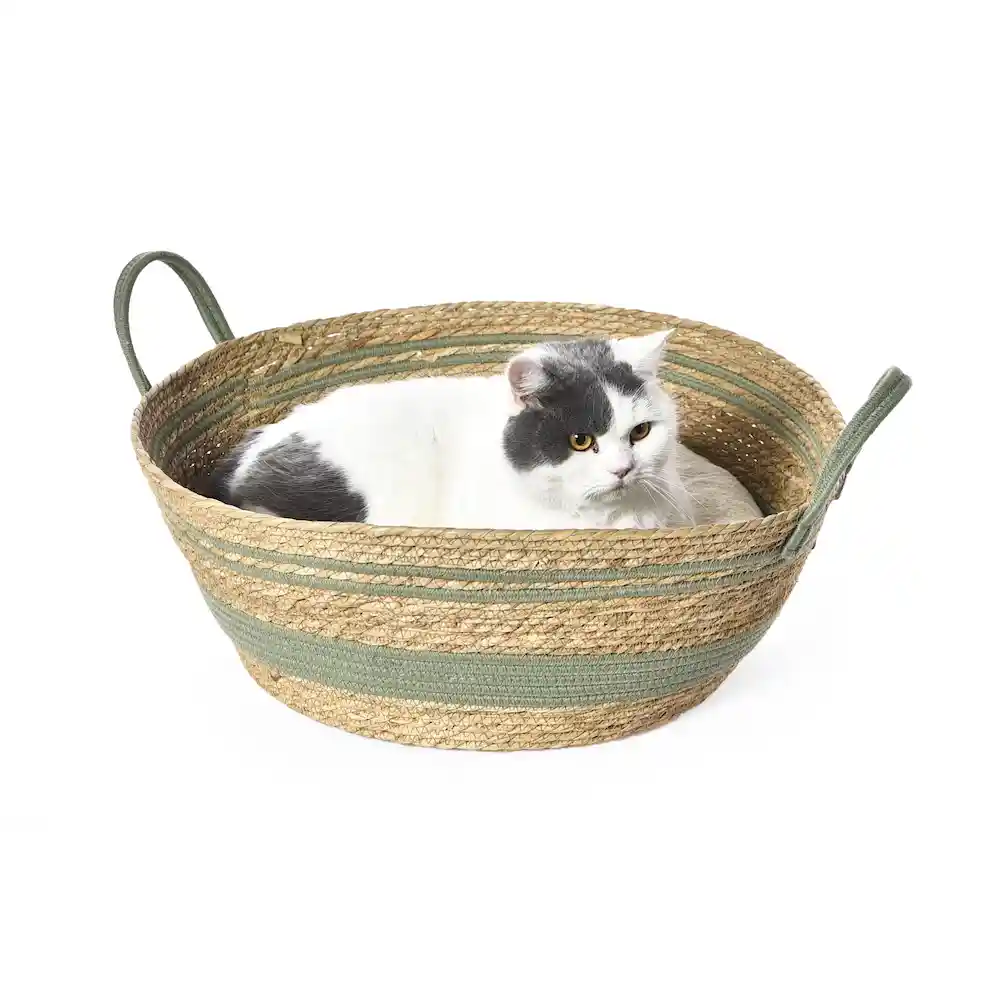
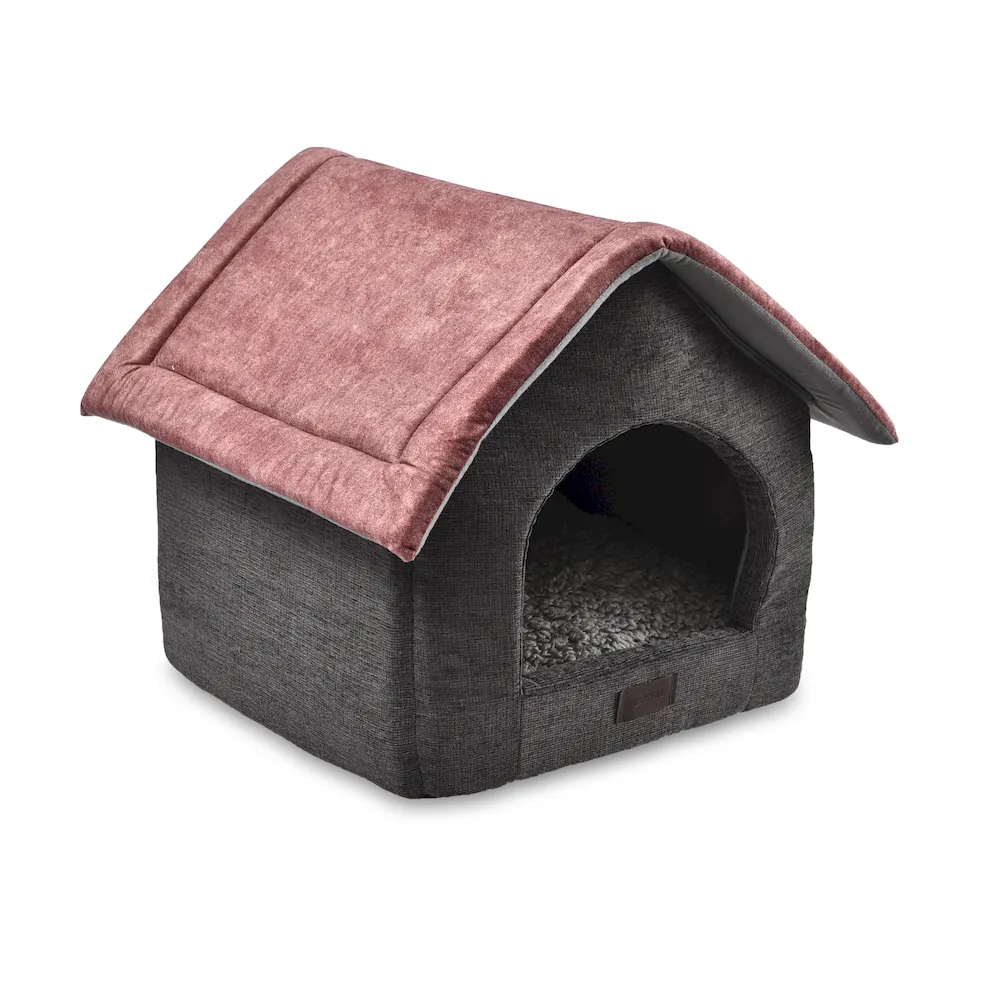
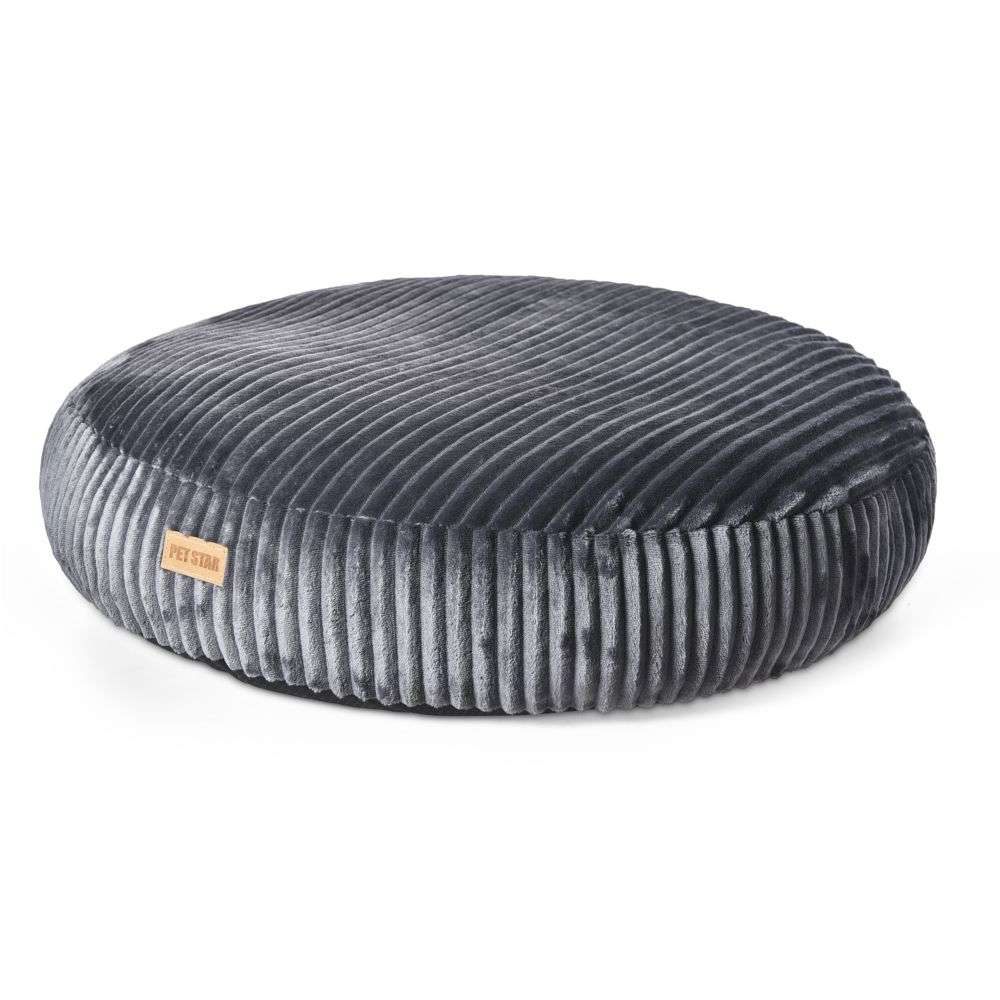
As a result, recycled PET pet beds have become one of the fastest-growing product categories in the pet beds industry.Rather than relying on polyester derived from petroleum, RPET products utilize fibers produced from recycled plastic bottles, helping buyers support sustainability initiatives without fundamentally changing product functionality.
For many sourcing teams, the appeal of RPET is not simply environmental. It also provides a practical pathway toward achieving sustainability targets, strengthening ESG reporting, and responding to growing consumer demand for eco-friendly pet products.
A polyester fiber produced from recycled plastic bottles and used in pet beds, blankets, carriers, booster seats, travel products, and other sustainable pet accessories.
Why Sustainability Has Become a Procurement Requirement
Retail buyers are no longer evaluating products solely on price, appearance, or packaging. Increasingly, procurement teams must consider sustainability goals established by retailers, investors, regulators, and consumers.
Because environmental claims face growing scrutiny, many companies are looking for measurable sustainability initiatives rather than generic marketing statements. Recycled materials provide one of the most visible and verifiable methods for reducing dependence on virgin resources.
This shift explains why recycled pet products continue to gain market share across North America, Europe, and Asia.
What Is Recycled PET?
Recycled PET, commonly referred to as RPET, is produced by collecting used plastic bottles, processing them into recycled plastic flakes, and converting those flakes into polyester fibers.
The resulting fibers can then be used to manufacture fabrics, fillings, and textile components commonly found in pet products.
| Factor | Polyester | RPET |
|---|---|---|
| Raw Material Source | Petroleum | Recycled Plastic Bottles |
| Leistung | Standard | Comparable |
| Sustainability Value | Limited | Hoch |
| GRS Eligibility | Nein | Ja |
| ESG Reporting Support | Limited | Stark |
For retailers, RPET provides a way to support sustainability programs while maintaining the functionality consumers expect from traditional pet bedding products.
How Recycled Plastic Bottles Become Pet Beds
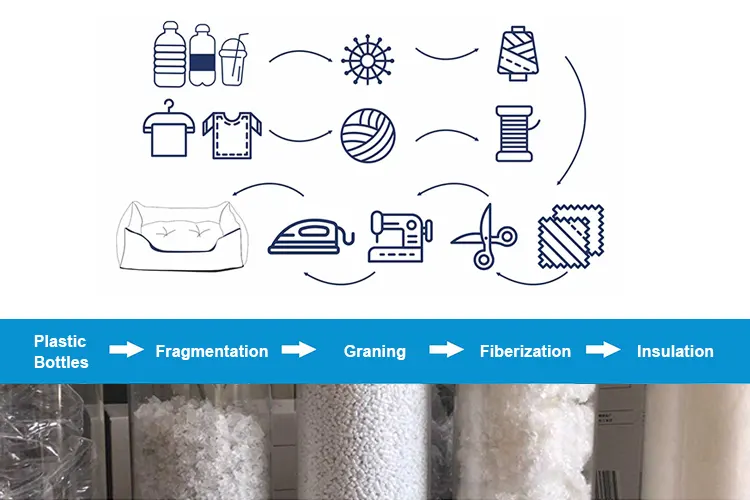
The journey begins with post-consumer plastic bottles collected through recycling systems. After sorting and cleaning, the bottles are processed into flakes and melted into recycled polyester fibers.
These fibers are then transformed into fabrics, fillings, and textile materials used throughout the pet industry.
Today, recycled PET is widely used not only in pet beds but also in:
- Pet carriers
- Booster seats
- Travel beds
- Pet blankets
- Car seat covers
- Pet hammocks
This versatility allows retailers to build entire sustainable product collections using the same recycled material platform.
Why Retail Buyers Prefer RPET Pet Beds
Supports Sustainability Goals
The primary reason retailers adopt RPET is straightforward: it provides a measurable sustainability story supported by tangible recycled content.
Unlike vague environmental claims, recycled PET products allow companies to demonstrate material recovery and resource reuse through clearly documented supply chains.
Maintains Familiar Product Performance
One of the biggest concerns buyers initially have is whether recycled materials perform differently from conventional polyester.
In most pet bedding applications, RPET fabrics provide comparable durability, softness, and everyday functionality. This allows retailers to introduce sustainable collections without requiring major changes to product design or consumer expectations.
Works Across Multiple Product Categories
Another advantage is versatility. RPET is no longer limited to basic pet beds.
Today it is commonly incorporated into travel collections, carriers, booster seats, blankets, seat covers, hammocks, and many other pet accessories.
This allows brands to create consistent sustainability programs across multiple product categories rather than treating eco-friendly products as a separate niche offering.
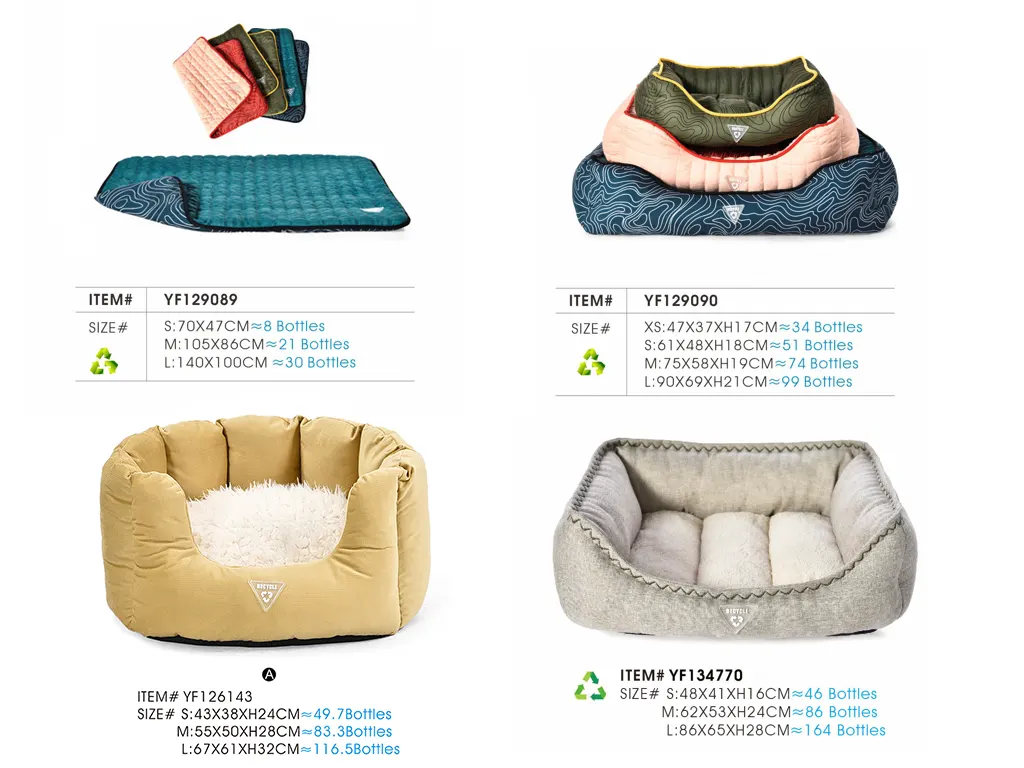
How Many Plastic Bottles Are Recycled Into a Pet Bed?
This is one of the most common questions buyers ask when evaluating recycled pet products.
The answer depends on product size, construction, filling volume, and fabric weight.
| Produkttyp | Typical Bottle Usage |
|---|---|
| Kleintierbett | 30–40 Bottles |
| Medium Pet Bed | 60–80 Bottles |
| Large Pet Bed | 100+ Bottles |
| Haustier-Decke | Generally Lower |
| Schlafsofa | Generally Higher |
Because different products require different amounts of fabric and filling, bottle consumption can vary significantly between designs.
As a general fabric calculation:
Estimated Bottles = Fabric Weight ÷ Production Yield Rate ÷ Plastic Bottle Weight
For example, if a pet bed utilizes 100 grams of pure recycled polyester fabric, with a production yield rate (textile weaving and cutting) of 75% and an average single plastic bottle weight of 24 grams, the calculation (100 ÷ 75% ÷ 24) represents approximately 6 recycled plastic bottles.
However, finished pet beds also contain filling materials, so total bottle consumption is usually much higher than fabric-only calculations suggest.
Can RPET Pet Beds Be Waterproof?
Another frequently asked sourcing question is whether RPET products can be waterproof.
The answer is yes, but not because of the recycled fiber itself.
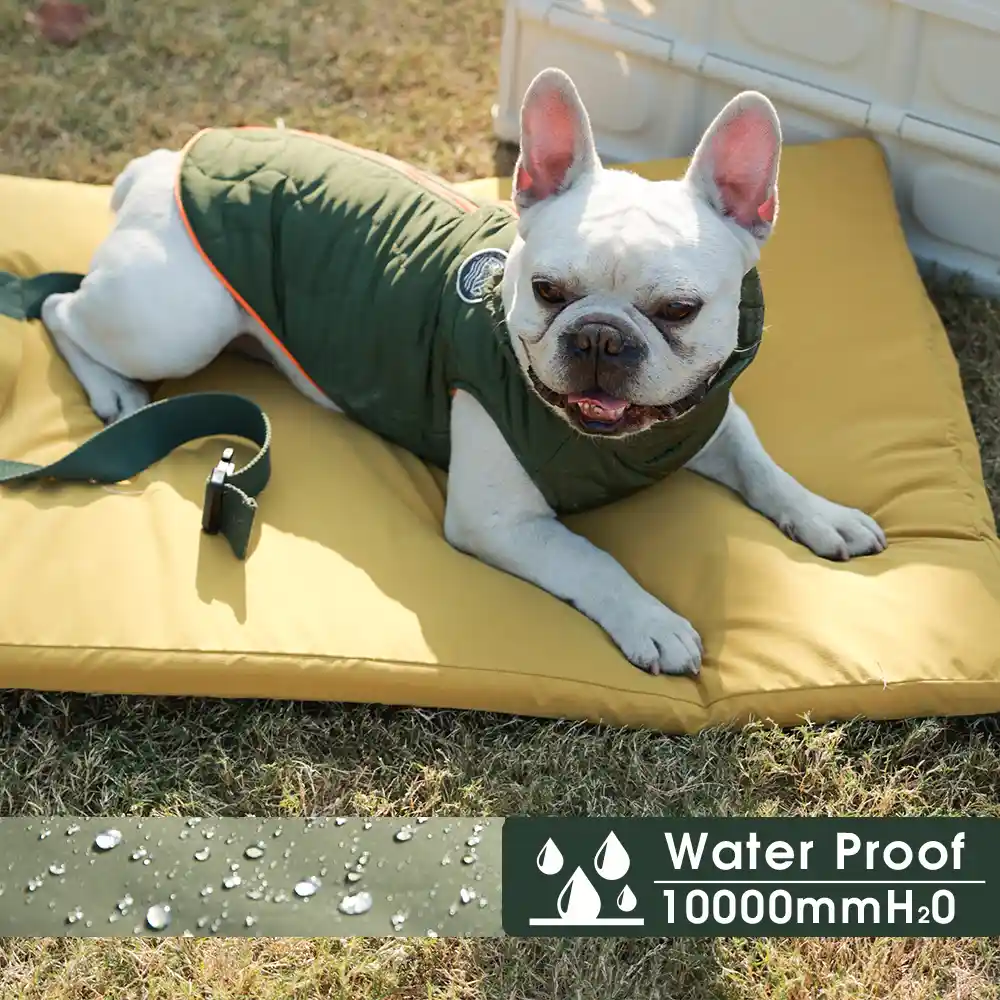
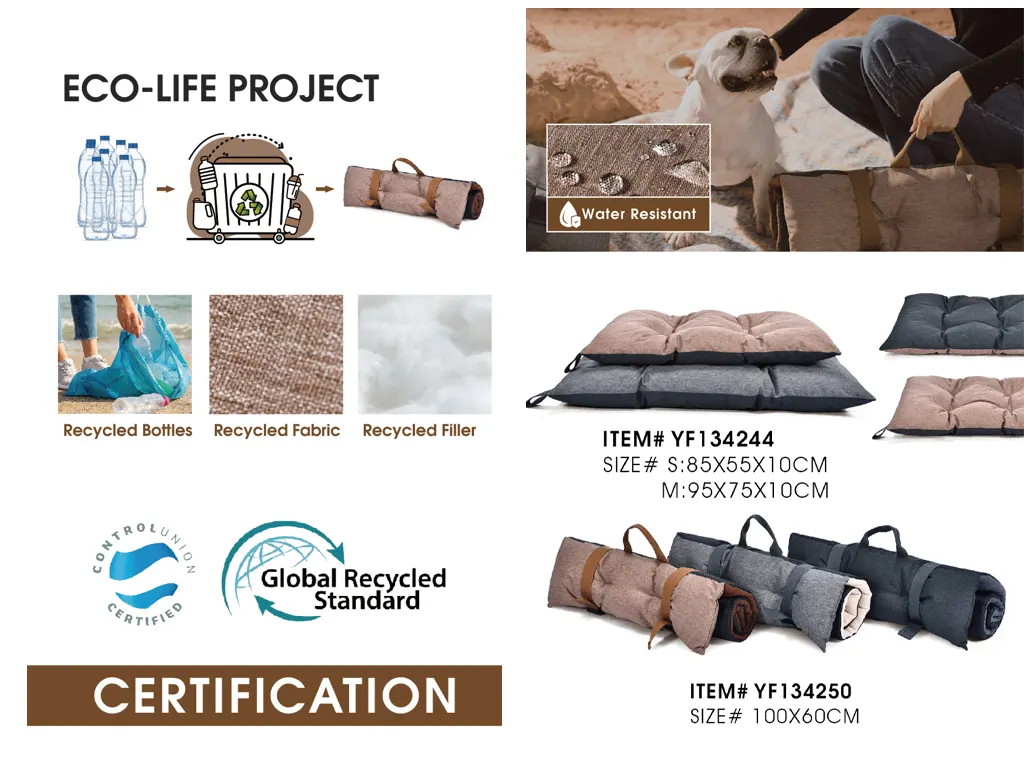
RPET is simply the base fiber used to create the fabric. Water resistance depends on fabric construction, coatings, laminations, and finishing treatments applied during manufacturing.
As a result, buyers can source RPET pet beds with varying levels of water resistance depending on the intended application.
For outdoor products, travel collections, and vehicle accessories, many brands combine sustainable materials with specialized waterproof technologies to improve functionality.
Can Retail Buyers Customize RPET Fabrics?
Customization is another major advantage of RPET products.
Retailers can typically customize:
- Fabric colors
- Patterns
- Logo applications
- Verpackung
- Fabric weights
- Product construction
This flexibility allows buyers to maintain their brand identity while transitioning toward more sustainable product lines.
Why GRS Certification Matters
As sustainability claims become more closely examined, traceability has become increasingly important.
This is where GRS certified pet beds provide additional value.
GRS certification helps verify recycled material content and chain-of-custody documentation throughout the supply chain. For retailers, this provides greater confidence that sustainability claims can be independently validated.
Because many large retailers now require documented environmental compliance, GRS certification has become an important consideration when sourcing recycled pet products.
RPET vs Sorona: Two Different Sustainability Strategies
Although both materials support sustainability initiatives, RPET and Sorona address different sourcing objectives.
| Factor | RPET | Sorona |
|---|---|---|
| Primary Goal | Waste Reduction | Bio-Based Materials |
| Material Source | Recycled Bottles | Plant-Based Feedstocks |
| Cost Positioning | Competitive | Prämie |
| Common Applications | Mainstream Retail | Premium Collections |
Buyers interested in premium sustainable materials can also explore our guide: What Is Sorona Fabric?
Fazit
Retail buyers are increasingly adopting recycled PET pet beds because they offer a practical balance between sustainability, functionality, and commercial viability.
By transforming discarded plastic bottles into useful pet products, RPET supports environmental initiatives while maintaining the performance standards required by modern retail programs.
As sustainability expectations continue to evolve, recycled PET is likely to remain one of the most important materials shaping the future of pet beds, travel accessories, carriers, and other pet products.