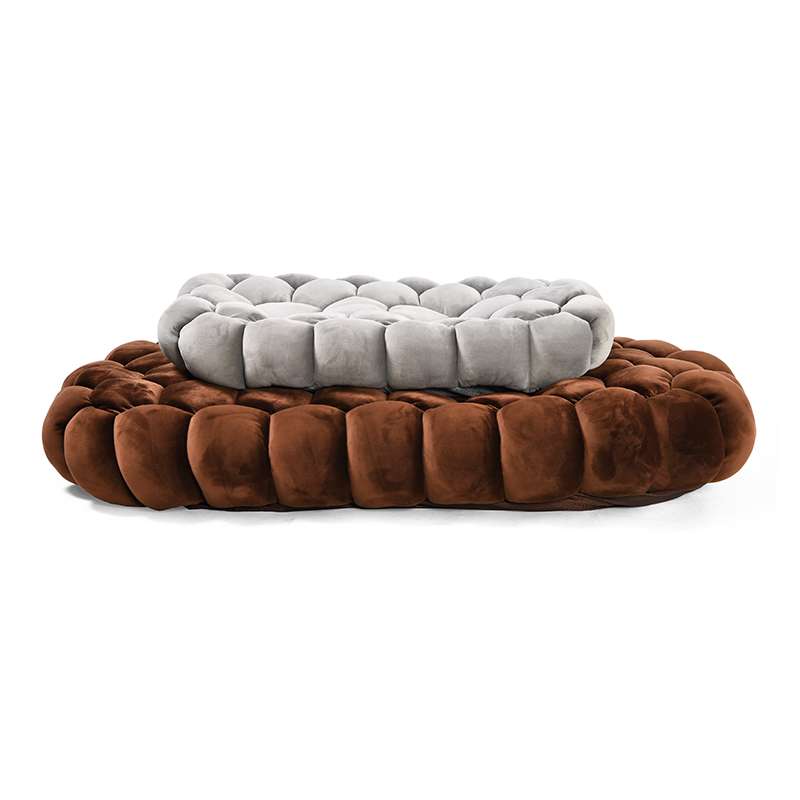
Comment choisir les matériaux adaptés pour les lits pour animaux de compagnie en fonction des différentes utilisations
- Oscar
Partager
Catégorie De Produit
Articles Récents
Contactez Le Fabricant
Executive Sourcing Summary
As pet beds become increasingly specialized, material selection has evolved from a simple fabric decision into a complete product engineering process. Rather than using one fabric across every collection, professional buyers now develop material platforms that match different product applications, retail positioning, and consumer expectations.
Travel products prioritize durability and waterproof performance. Orthopedic beds focus on comfort and pressure distribution. Cooling collections rely on heat-dissipating technologies, while winter products require effective thermal retention without compromising safety or washability. Understanding these application-specific requirements helps retailers build product lines that perform better in the market while simplifying OEM development.
Pet bed materials refer to the combination of outer fabrics, filling systems, and functional technologies selected according to a product's intended application rather than appearance alone. Professional OEM manufacturers evaluate durability, comfort, maintenance, seasonal performance, and manufacturing efficiency together when engineering commercial pet bed collections.
Material Selection Matrix
| Product Application | Outer Material | Core Filling | Upgrade Path | Typical Markets |
|---|---|---|---|---|
| Travel Beds | Tissu Oxford | Polyester Fiberfill | Waterproof → Heavy-Duty Scratch-Resistant Oxford | US, Europe |
| Lits orthopédiques | Chenille / Faux Rabbit Fur | Foam → Memory Foam | Egg-Crate Foam → High-Density Memory Foam | Mondial |
| Lits réfrigérants | Tissu auto-refroidissant | Coussin de gel rafraîchissant | Removable Cooling Gel Module | Mondial |
| Winter Beds | PV Peluche | Polyester Fiberfill | Noise-Free Thermal Foil → Heating Module | North America, Europe |
| Outdoor Beds | Tissu Oxford | Polyester Fiberfill | Waterproof & Scratch-Resistant Oxford | Mondial |
Why Material Selection Matters More Than Ever
Many buyers still compare pet beds primarily by appearance. In reality, successful OEM development begins by identifying the product's intended application before selecting fabrics or fillings.
For example, a travel bed designed for vehicle use must withstand frequent folding, abrasion, and occasional moisture. An orthopedic bed must maintain long-term support under continuous weight, while a cooling bed needs materials capable of reducing heat accumulation during warmer seasons. These engineering requirements cannot be solved by simply choosing a softer or more expensive fabric.
Professional manufacturers therefore treat material selection as an integrated engineering process. Outer fabrics—frequently evaluated across the primary 10 kinds of dog bed fabrics available to sourcing teams—determine durability, maintenance, and appearance, while internal fillings control support, insulation, resilience, and overall comfort. By optimizing both systems together, retailers can build differentiated product lines instead of competing solely on price.
Choosing Materials for Travel Pet Beds
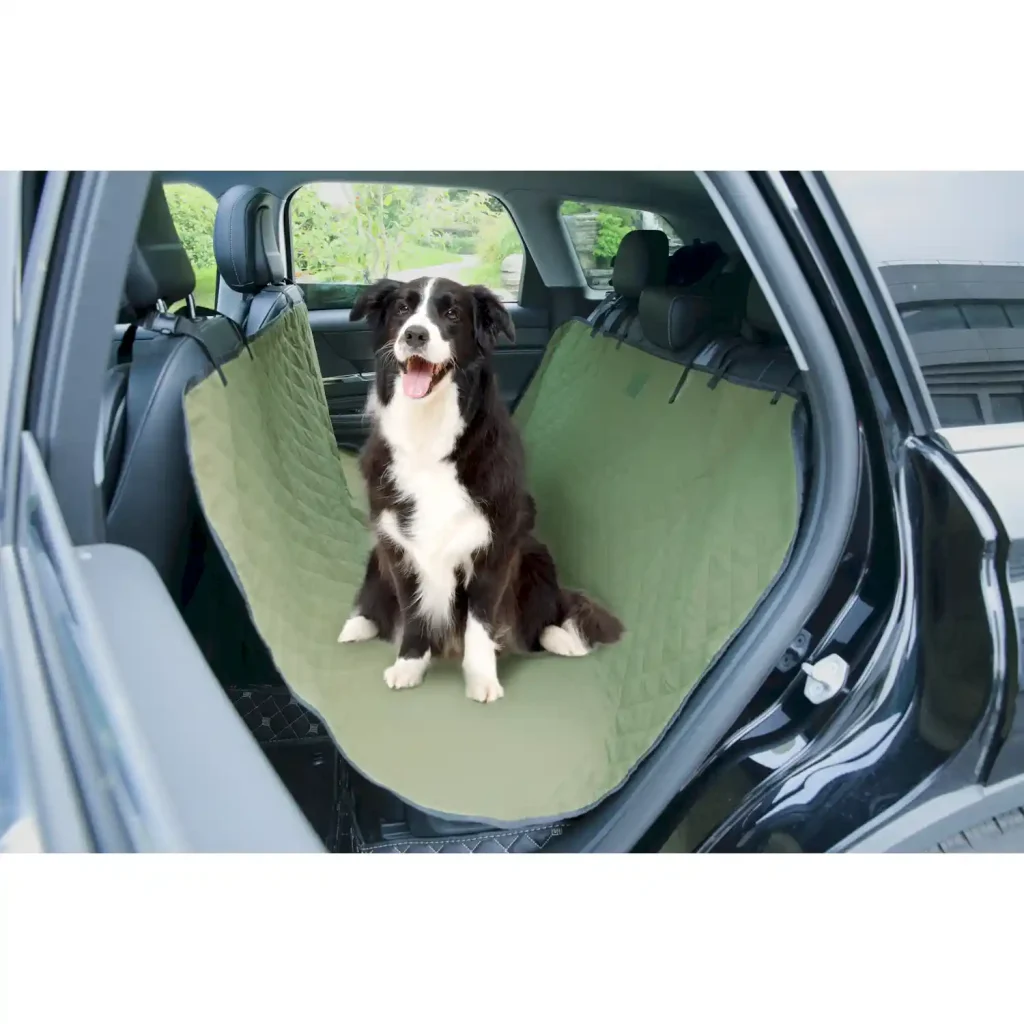
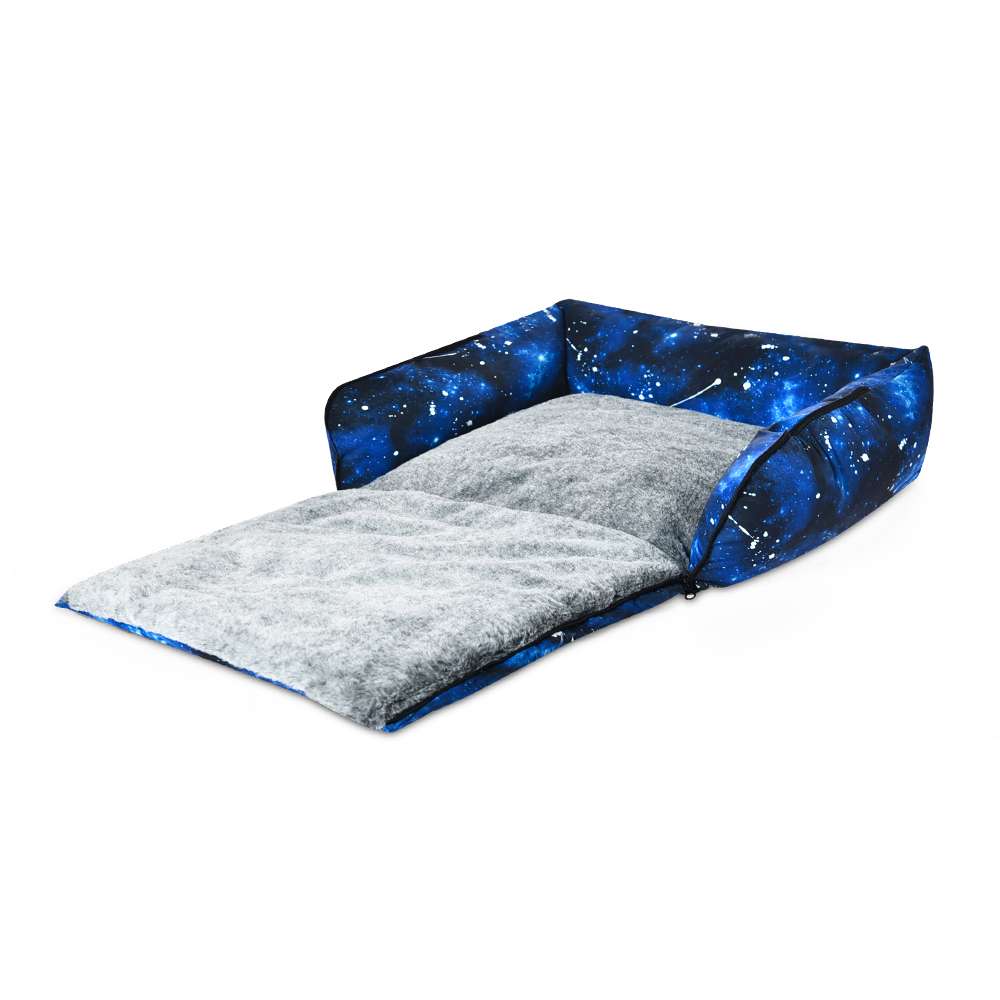
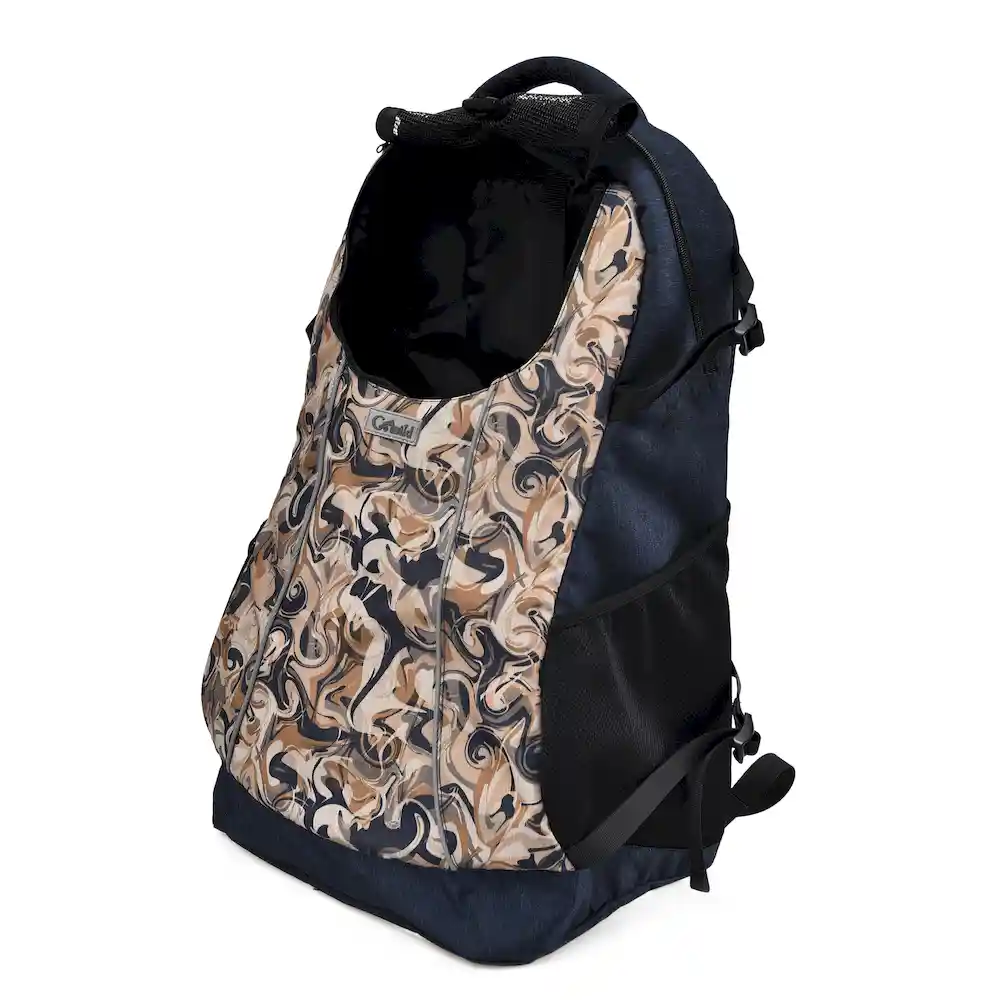
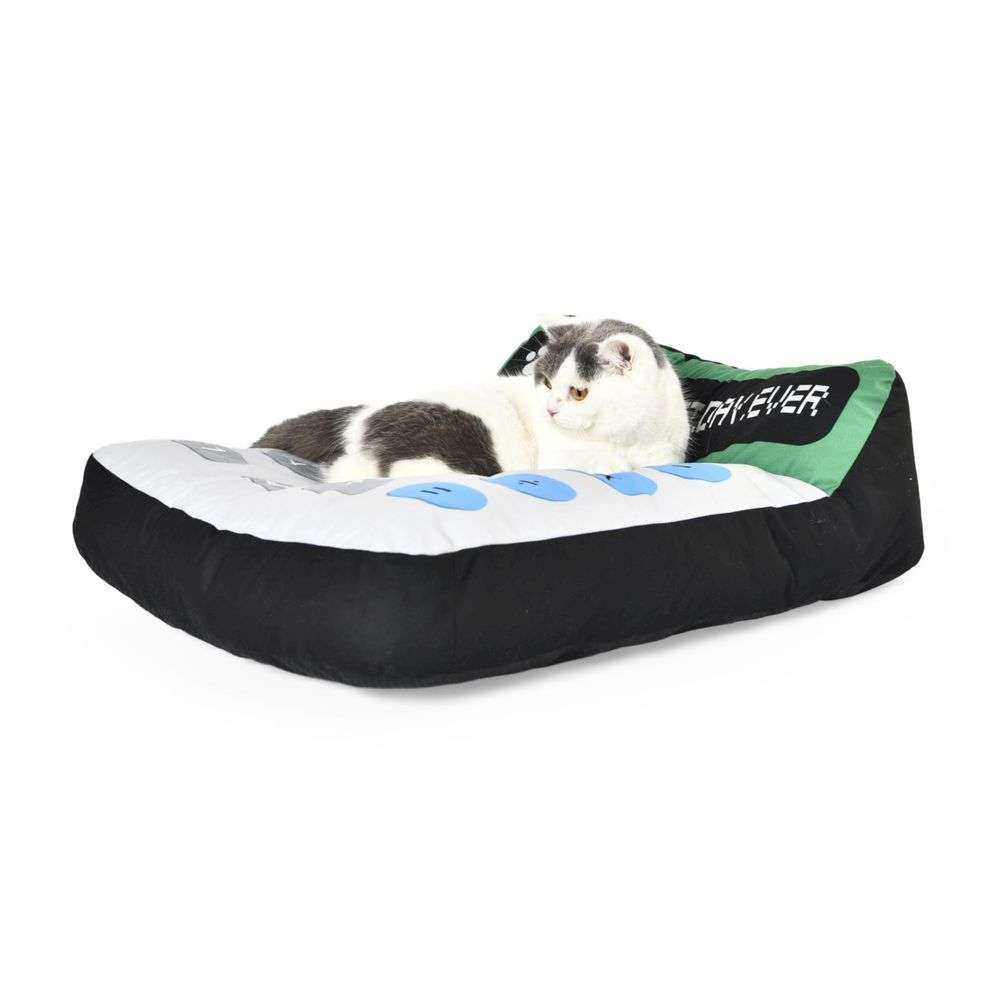
Travel products experience significantly different usage conditions compared with traditional indoor pet beds. They are frequently folded, transported, exposed to dirt, and subjected to repeated loading inside vehicles. Consequently, durability usually takes priority over softness.
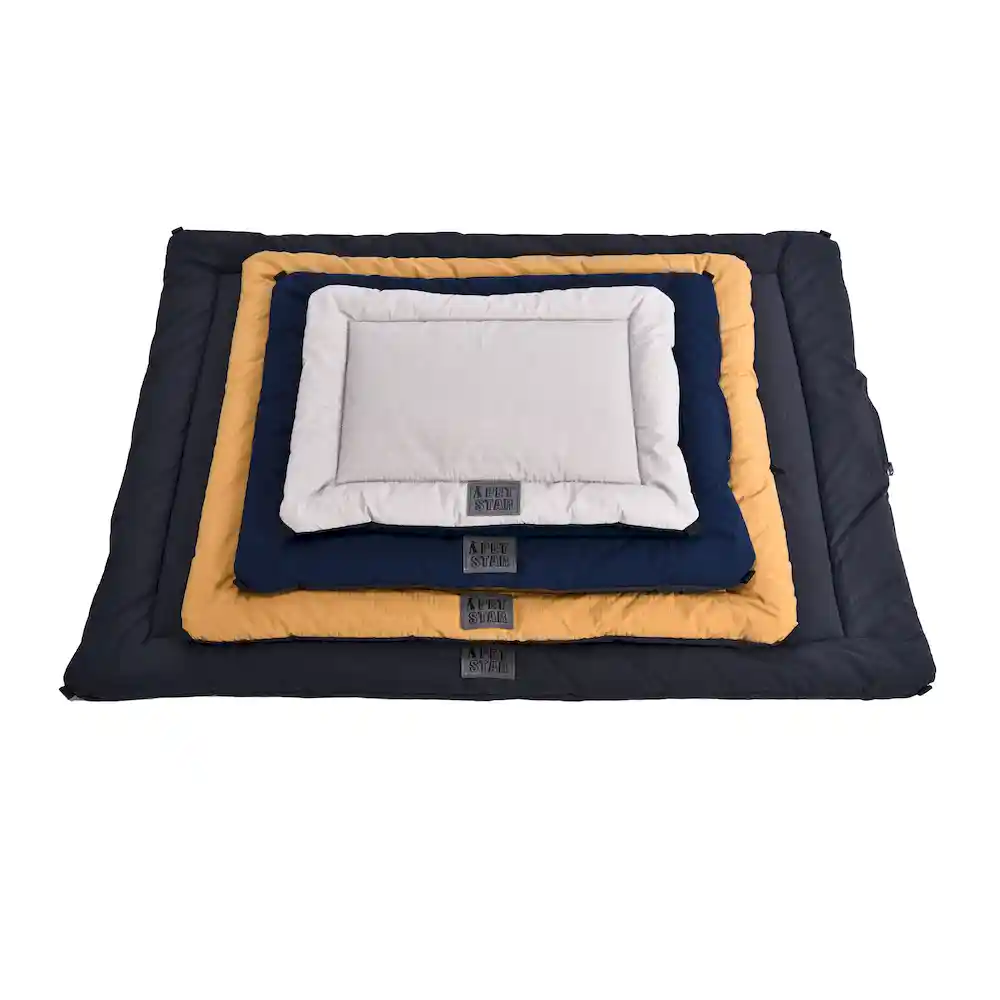
Oxford fabric has become the dominant material for travel beds because it offers an excellent balance between abrasion resistance, structural stability, and water repellency. Rather than switching to different fabrics, manufacturers generally improve performance by upgrading the Oxford construction itself.
A standard Oxford fabric is suitable for everyday travel beds. Waterproof treatments improve resistance against wet paws and accidental spills, while heavy-duty scratch-resistant Oxford fabrics are commonly selected for products intended for larger dogs or frequent outdoor use.
This material platform also allows manufacturers to maintain consistent production across travel beds, booster seats, seat covers, and rear-seat hammocks, simplifying inventory management for retailers developing complete travel collections.
Recommended Material Combination
- Outer Fabric: Tissu Oxford
- Core Filling: Polyester Fiberfill
- Upgrade Options: Waterproof Finish → Heavy-Duty Scratch-Resistant Oxford
- Best Applications: Travel Beds, Booster Seats, Seat Covers, Rear-Seat Hammocks
Choosing Materials for Orthopedic Pet Beds
Unlike travel products, orthopedic collections prioritize pressure relief, structural support, and long-term comfort. Material selection therefore focuses on both the outer sleeping surface and the internal support system.
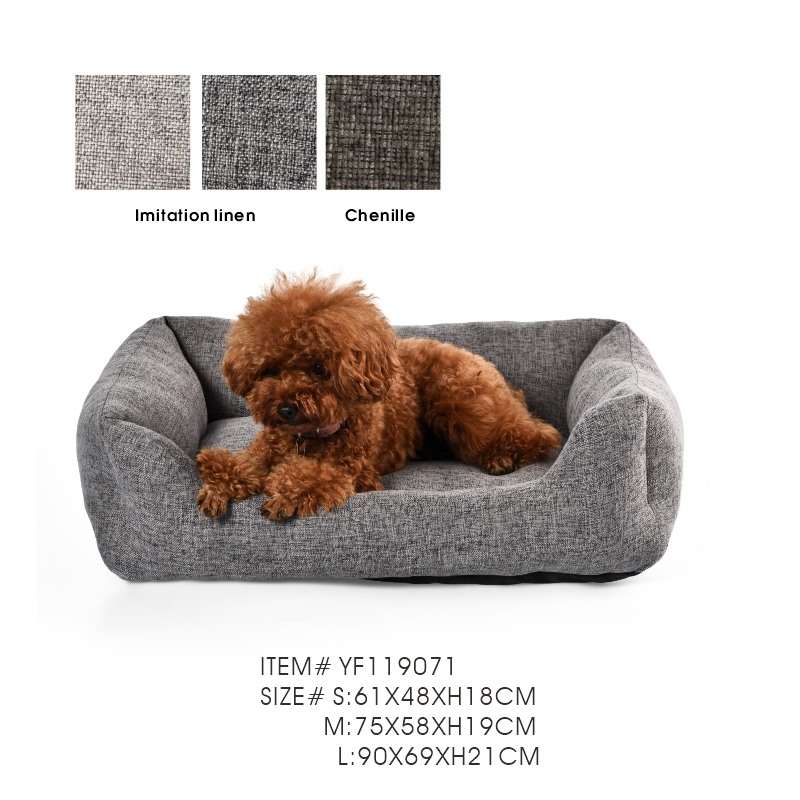
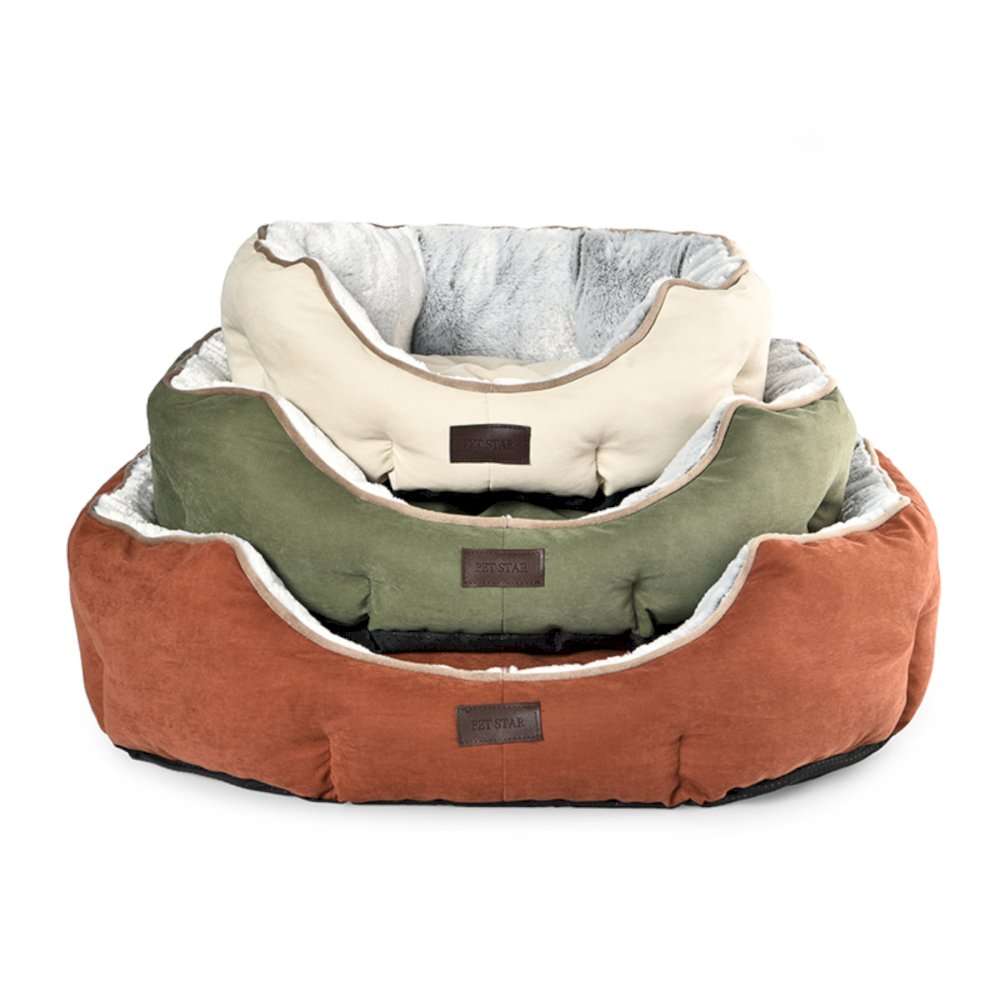
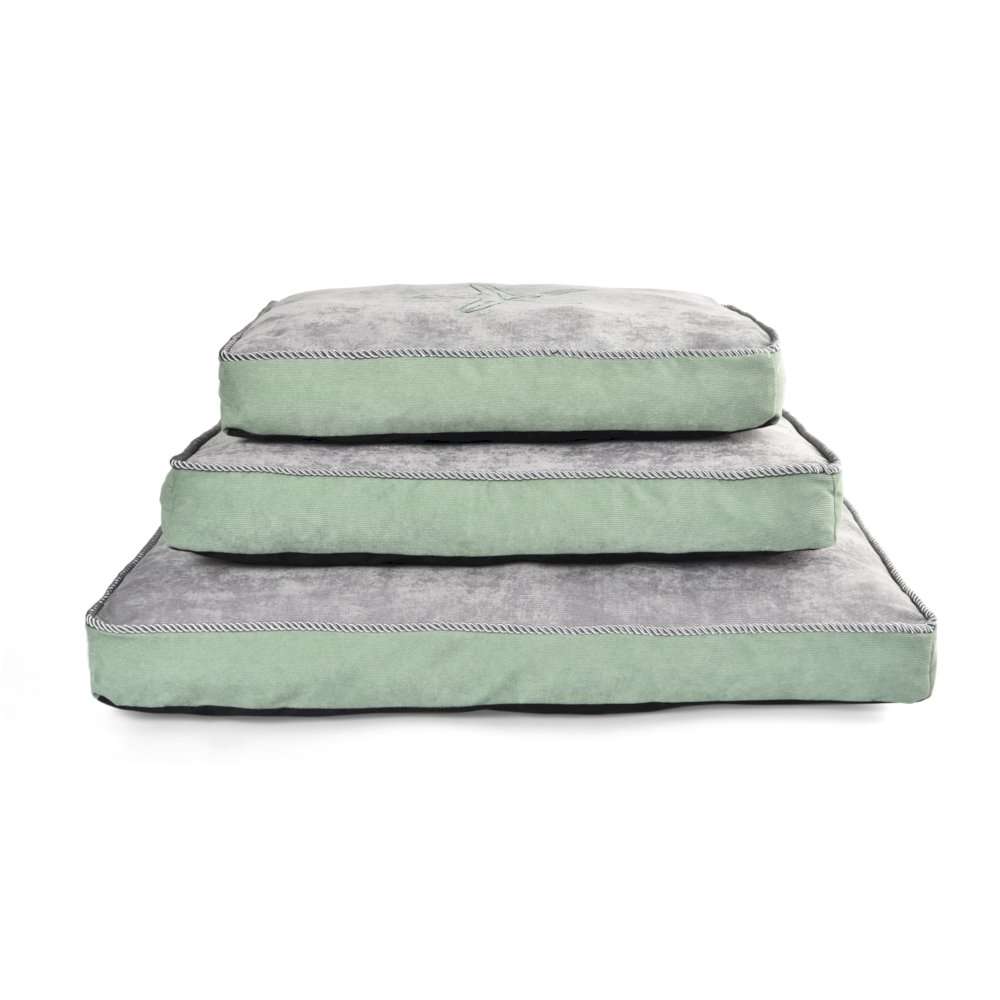
For premium orthopedic collections, Chenille and Faux Rabbit Fur have become popular outer materials because they provide a soft, warm sleeping surface while creating a premium retail appearance. Although both belong to cozy fabric collections and offer similar comfort characteristics, they are often selected according to product styling rather than thermal performance alone.
Inside the bed, manufacturers typically build support systems in progressive layers.
Premium orthopedic beds commonly utilize high-density memory foam, which gradually conforms to the pet's body and provides longer-lasting structural support for senior dogs and larger breeds. This engineering benchmark serves as the foundation for brands looking to market the best orthopedic bed for dogs in the premium wellness segment.
Instead of selecting individual materials independently, experienced OEM manufacturers engineer complete sleeping systems where outer fabrics and internal fillings complement one another to achieve the desired comfort level.
Recommended Material Combination
- Outer Fabric: Chenille or Faux Rabbit Fur
- Core Filling: Foam or Memory Foam
- Upgrade Options: Egg-Crate Foam → High-Density Memory Foam
- Best Applications: Orthopedic Beds, Senior Dog Collections, Premium Retail Lines
Choosing Materials for Cooling Pet Beds
Cooling products require a different engineering philosophy from winter collections. Rather than retaining body heat, their objective is to reduce heat accumulation and improve thermal comfort during warmer conditions.
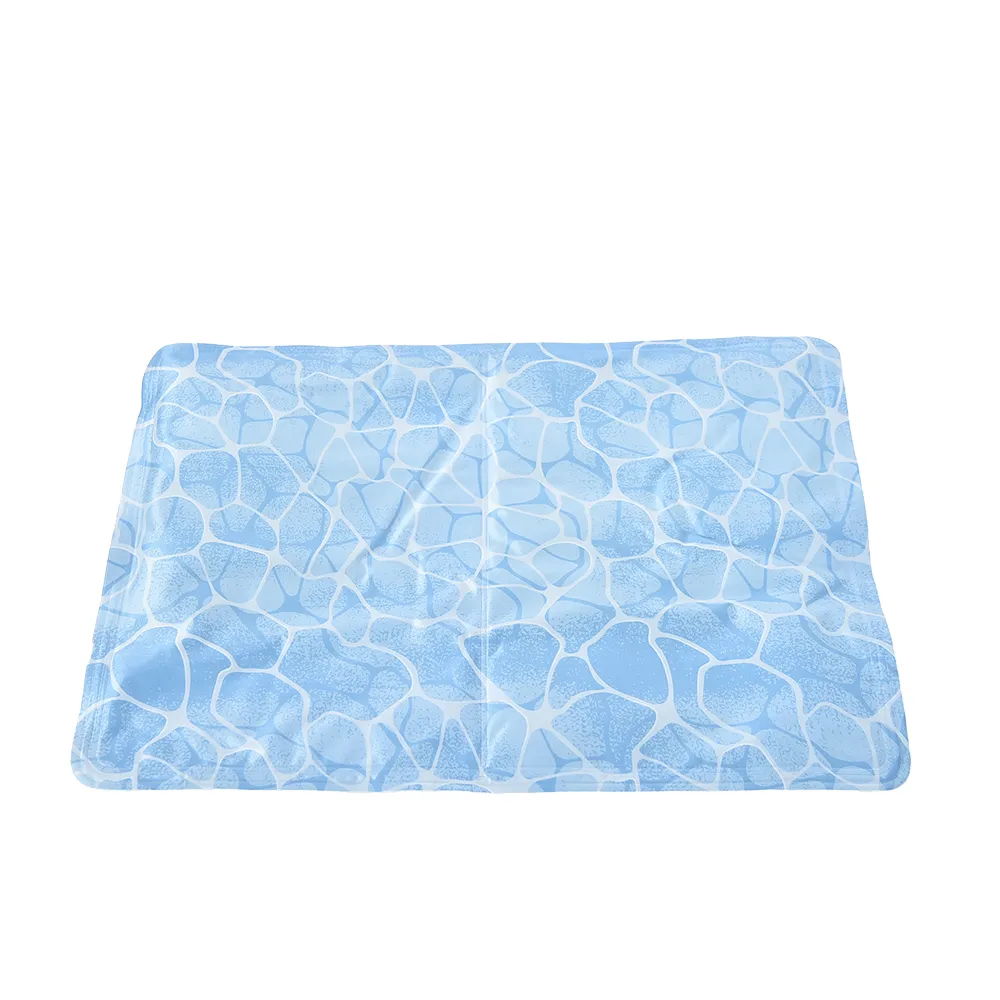
Modern cooling beds generally combine self-cooling fabrics with cooling gel technology. Self-cooling fabrics provide continuous passive cooling without requiring electricity, making them suitable for daily indoor use. Higher-end collections incorporate cooling gel pads that absorb and dissipate heat more efficiently during extended resting periods.
Some cooling gel pads are designed as removable modules, allowing retailers to offer products that are easier to clean and maintain while extending product lifespan. Because the cooling insert can be removed independently, the bed continues functioning as a regular pet bed when cooling performance is not required.
From an OEM perspective, modular cooling systems also simplify product upgrades by allowing manufacturers to combine different cooling technologies with existing bed structures instead of redesigning entire product lines.
Recommended Material Combination
- Outer Fabric: Tissu auto-refroidissant
- Core Technology: Coussin de gel rafraîchissant
- Upgrade Options: Removable Cooling Gel Module
- Best Applications: Summer Beds, Indoor Cooling Collections, Premium Cooling Products
Choosing Materials for Winter Pet Beds
Winter collections require a different engineering approach from cooling products. Instead of dissipating heat, the objective is to retain a pet's natural body warmth while maintaining comfort, safety, and easy maintenance. Rather than relying on a single solution, most manufacturers develop winter collections through a progressive material platform that addresses different climates, retail price points, and consumer expectations.
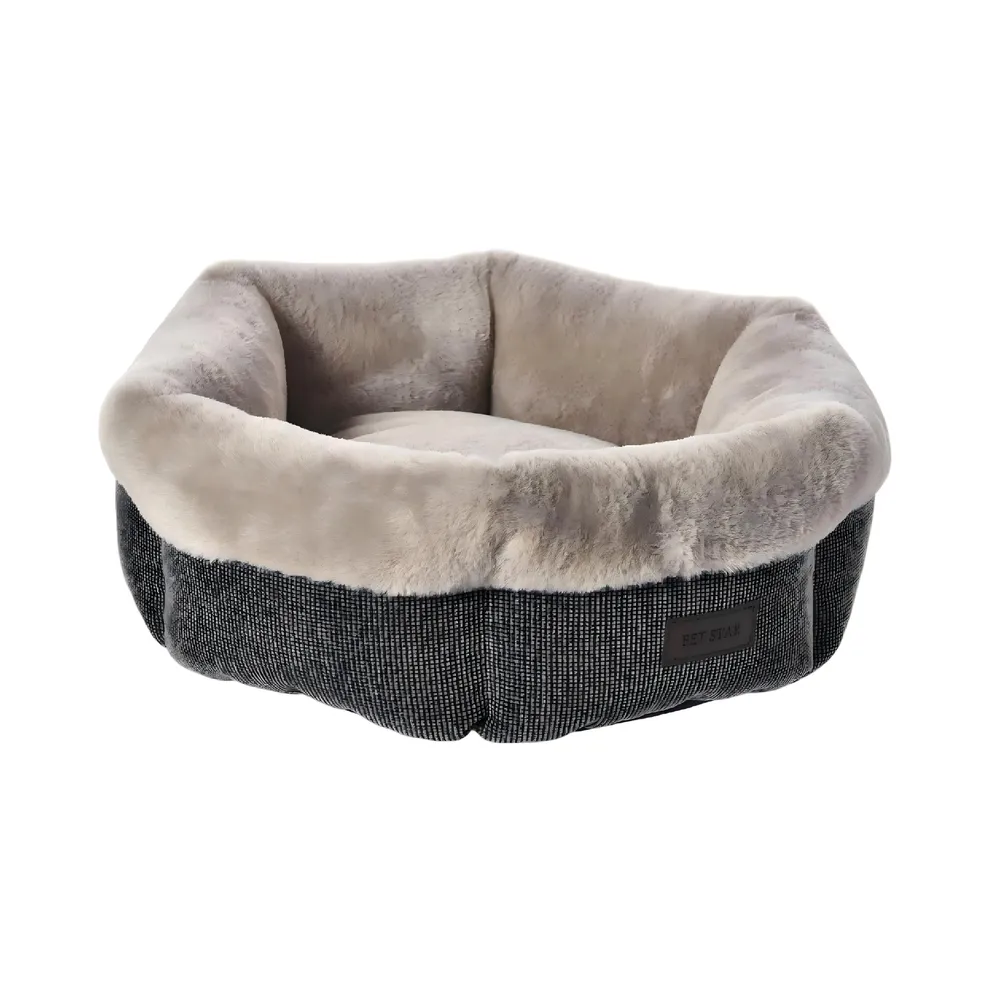
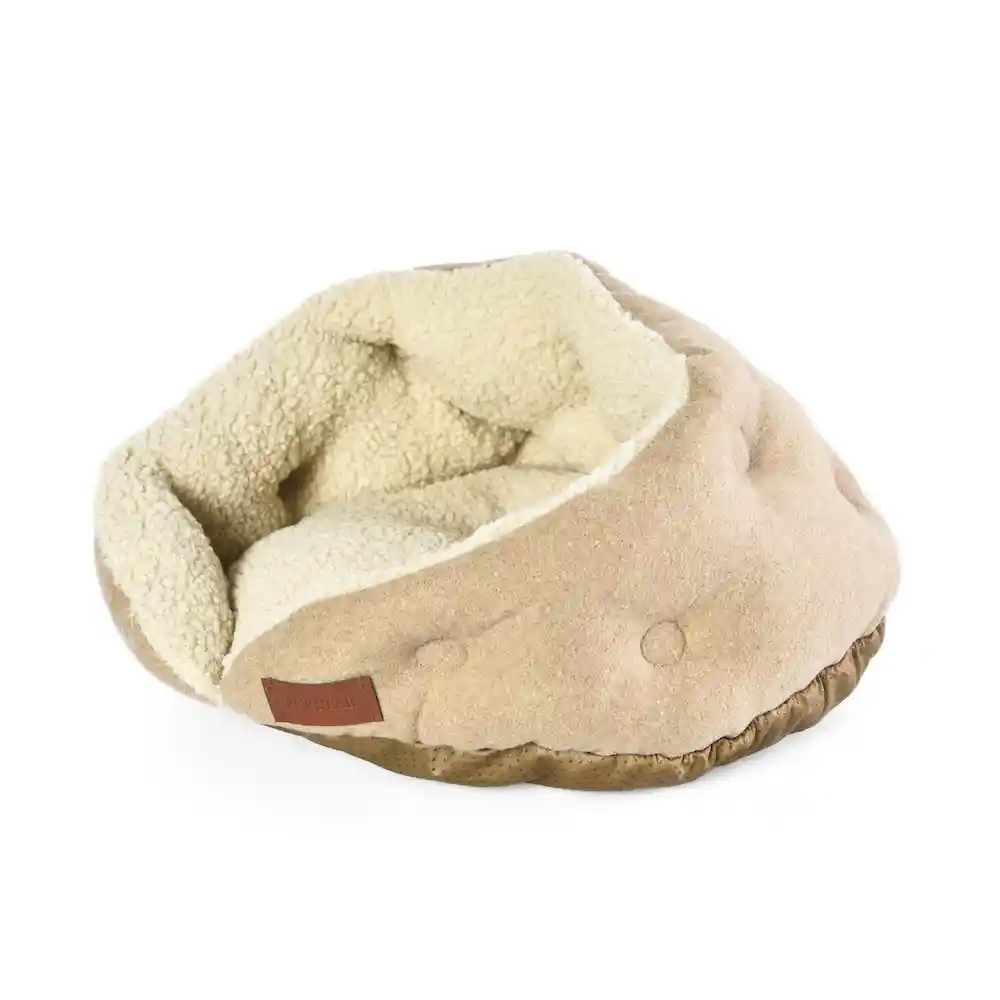
The entry level typically begins with PV Plush, one of the most widely used fabrics in calming dog beds and winter pet beds. Its dense pile creates a soft sleeping surface while trapping a layer of warm air around the pet's body, making it suitable for everyday indoor use.
As buyers move toward premium winter collections, many manufacturers upgrade to Noise-Free Thermal Foil technology. Unlike conventional reflective foil that may produce sharp crinkling sounds, modern noise-free thermal layers are engineered to reflect radiant body heat while remaining quiet during movement. For a deep technical analysis of this passive insulation, retailers can explore our breakdown on How Self-Warming Pet Beds Work.
For regions with prolonged cold seasons—including northern North America and Northern Europe—some retailers extend their product range with electric heated beds. Instead of relying solely on insulation, these products integrate removable low-voltage heating modules operating within the 5–12V DC range. Low-voltage systems significantly reduce electrical risk compared with household high-voltage power, while removable heating modules simplify cleaning, maintenance, and replacement throughout the product's lifecycle.
For OEM manufacturers, this three-level product strategy allows retailers to cover multiple price segments using a shared manufacturing platform while minimizing unnecessary SKU complexity.
Recommended Material Combination
- Outer Fabric: PV Peluche
- Standard Filling: Polyester Fiberfill
- Upgrade Path: Noise-Free Thermal Foil → Removable 5–12V Heating Module
- Best Applications: Winter Collections, Indoor Beds, Senior Pet Collections, Cold Climate Markets
Choosing Materials for Outdoor Pet Beds
Outdoor pet beds experience significantly harsher conditions than indoor products. Exposure to dirt, moisture, claws, and repeated abrasion means durability consistently outweighs softness during material selection.
For this reason, Oxford fabric remains the industry standard for outdoor collections. Rather than switching between completely different textiles, manufacturers generally improve product performance by upgrading the Oxford construction itself.
Premium collections often utilize heavy-duty scratch-resistant Oxford fabrics capable of withstanding more demanding applications, including working dogs, camping products, and outdoor kennels. Integrating these technical textiles allows private labels to construct the meilleur lit imperméable pour chien catalog for rugged, all-weather utility.
Basic Oxford fabrics are suitable for everyday outdoor use, while waterproof treatments increase protection against wet environments and simplify cleaning. For high-end sustainable lines, procurement teams are actively moving away from heavy PVC coatings and researching What Is RPVB Fabric? to secure weather-resistant, flexible automotive-recycled alternatives.
Because outdoor beds frequently require surface cleaning rather than machine washing, waterproof Oxford fabrics also help reduce maintenance time for end users while extending product lifespan.
Recommended Material Combination
- Outer Fabric: Tissu Oxford
- Core Filling: Polyester Fiberfill
- Upgrade Path: Waterproof Oxford → Heavy-Duty Scratch-Resistant Oxford
- Best Applications: Outdoor Beds, Camping Beds, Kennels, Heavy-Duty Collections
OEM Product Engineering Perspective
Professional buyers rarely select fabrics in isolation. Instead, successful OEM development begins with the intended application before evaluating outer fabrics, internal fillings, maintenance methods, durability requirements, and regional market preferences.
For example, as systematically detailed in our Travel Pet Products OEM Guide, travel collections benefit from a standardized Oxford material platform that can be shared across travel beds, booster seats, seat covers, and hammocks, reducing production complexity while maintaining consistent quality.
This engineering-first approach enables manufacturers to develop scalable product families instead of isolated SKUs, helping retailers simplify sourcing while expanding product diversity through controlled material upgrades.
Conclusion
Selecting pet bed materials is no longer simply a matter of choosing the softest fabric. For today's retailers and private-label brands, successful product development depends on matching materials to specific applications, target markets, and performance requirements.
Travel collections prioritize durability through upgraded Oxford fabrics. Orthopedic products combine premium comfort fabrics with advanced foam systems. Cooling collections integrate passive cooling textiles with gel technologies, while winter beds progress from PV Plush to noise-free thermal insulation and removable low-voltage heating modules as performance requirements increase.
By adopting an application-driven material strategy rather than relying on individual fabrics, retailers can build more competitive product portfolios, streamline OEM sourcing, and respond more effectively to changing market demand.
FAQ
A: Oxford fabric remains one of the most widely used materials for travel, outdoor, and heavy-duty pet beds because it offers excellent abrasion resistance and can be upgraded with waterproof and scratch-resistant treatments for more demanding applications.
A: Orthopedic pet beds typically combine comfortable outer fabrics such as Chenille or Faux Rabbit Fur with supportive fillings including polyurethane foam, egg-crate foam, or high-density memory foam, depending on the product's positioning and intended level of support.
A: Self-cooling fabrics provide passive cooling without electricity, making them suitable for everyday use. Cooling gel pads absorb and dissipate heat more efficiently during prolonged resting periods, and some premium models feature removable gel inserts for easier maintenance.
A: Self-warming beds use reflective thermal materials to recycle a pet's own body heat without requiring electricity. Electric heated beds incorporate removable low-voltage (5–12V DC) heating modules that provide active warmth for colder environments while simplifying cleaning and maintenance.
A: Yes. Waterproof performance depends on the coating and finishing process rather than the Oxford fabric itself. Manufacturers commonly offer standard, waterproof, and heavy-duty waterproof Oxford fabrics for different product applications.
A: Yes. Modern OEM product development commonly combines multiple materials within a single product—for example, Oxford fabric with polyester fiberfill, Chenille with memory foam, or self-cooling fabric with removable cooling gel pads—to achieve specific functional and commercial objectives.
Blogs associés
- Comment des bouteilles en plastique recyclées se transforment en lits pour animaux respectueux de l'environnement
- Meilleur lit imperméable pour chien : la vérité sur la science des tissus et l'approvisionnement
- Pourquoi les acheteurs européens recherchent-ils des lits pour animaux certifiés GRS en 2026 ?
- What Is Sorona Fabric? A Bio-Based Alternative for Sustainable Pet Beds
- RPVB Eco Friendly Dog Bed: Features, Applications & OEM Manufacturing Solutions
Vous Aimerez Aussi