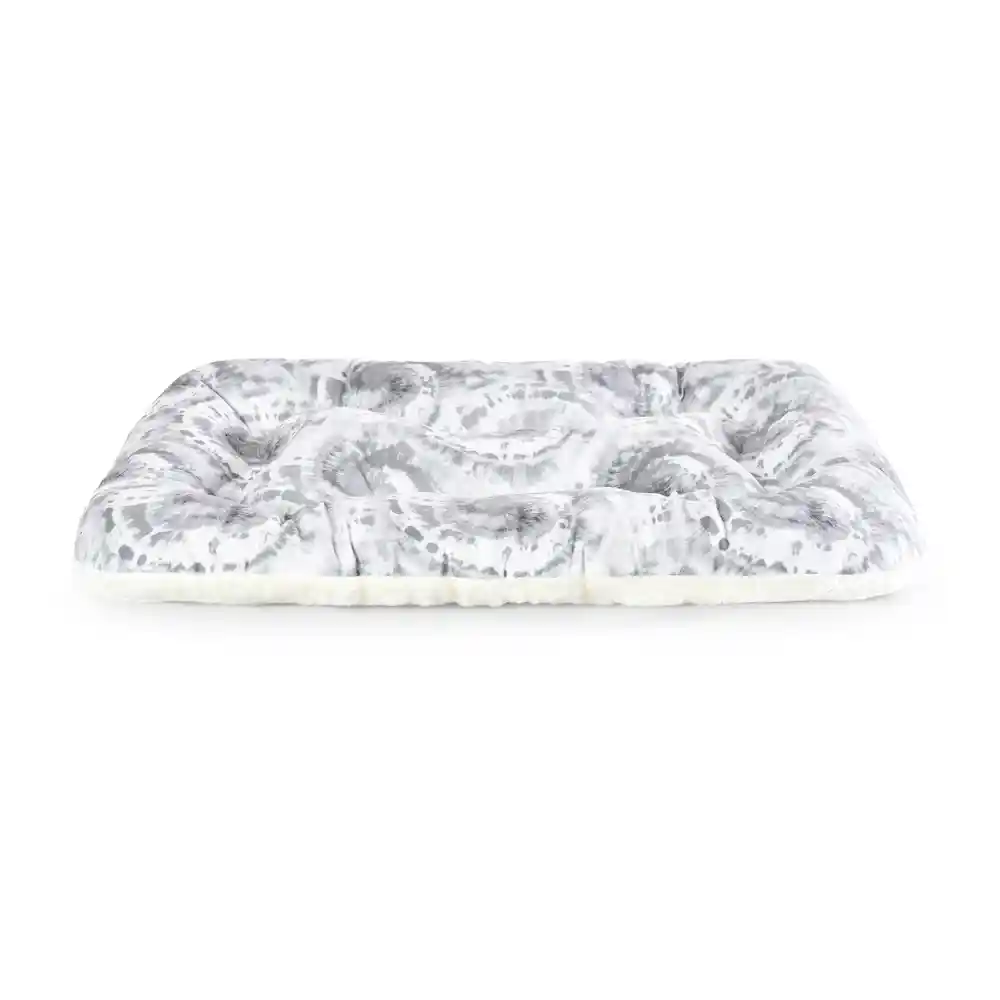
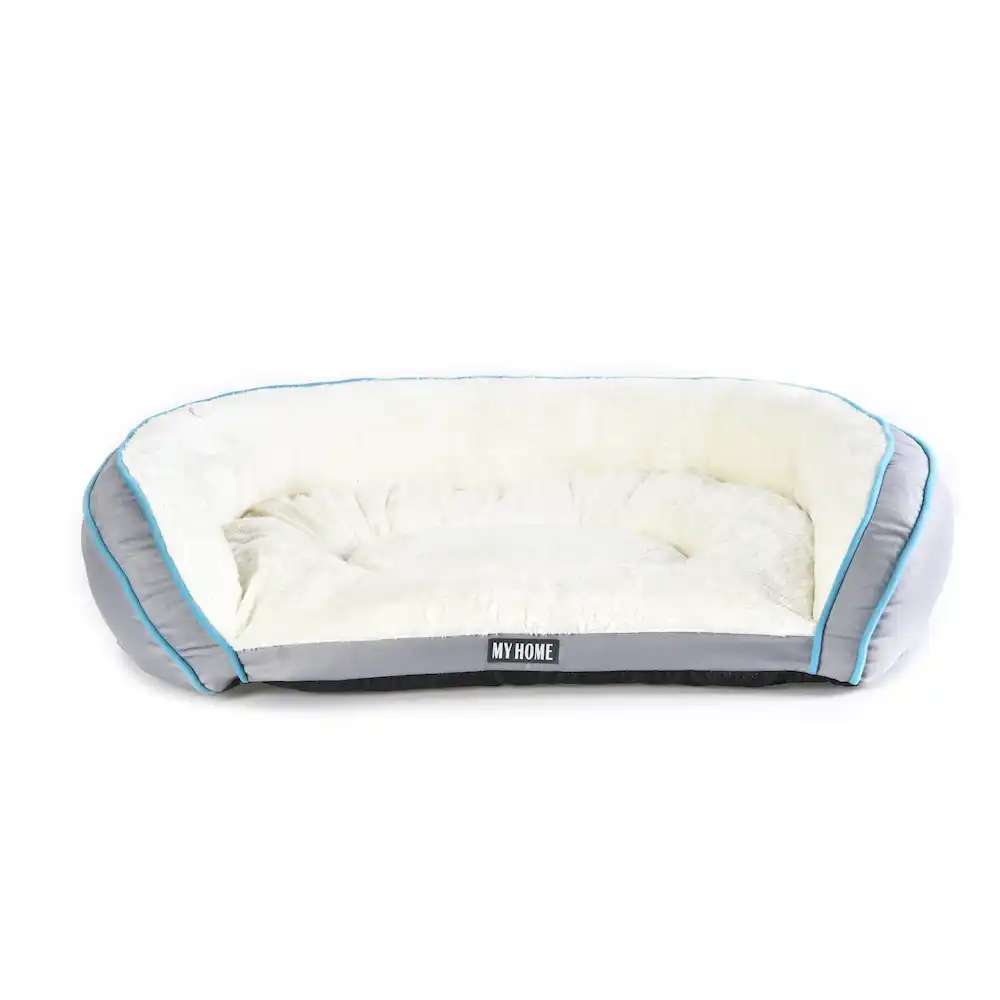
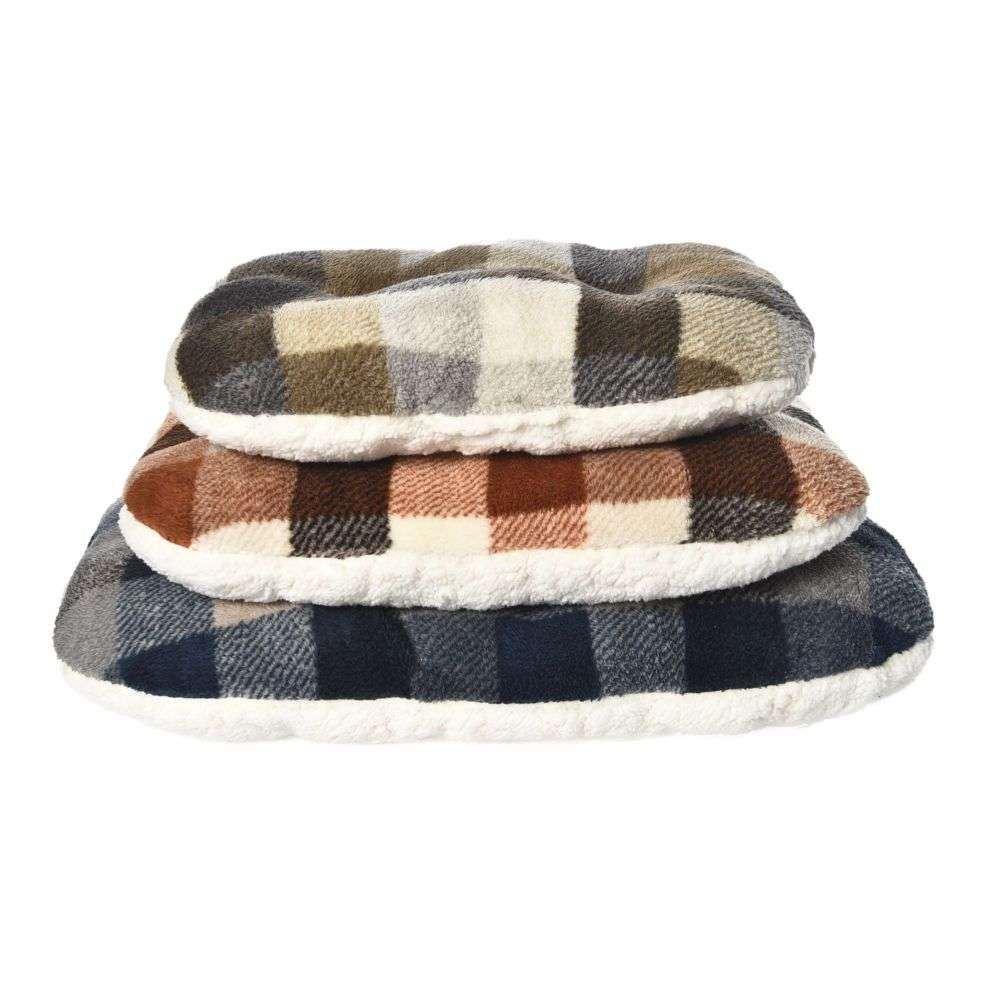
Executive Sourcing Overview:
Optimizing a winter product matrix requires a precise alignment between localized climate demands and supply chain compliance. This strategic evaluation guide details how global pet brands and distributors source high-margin inventory:
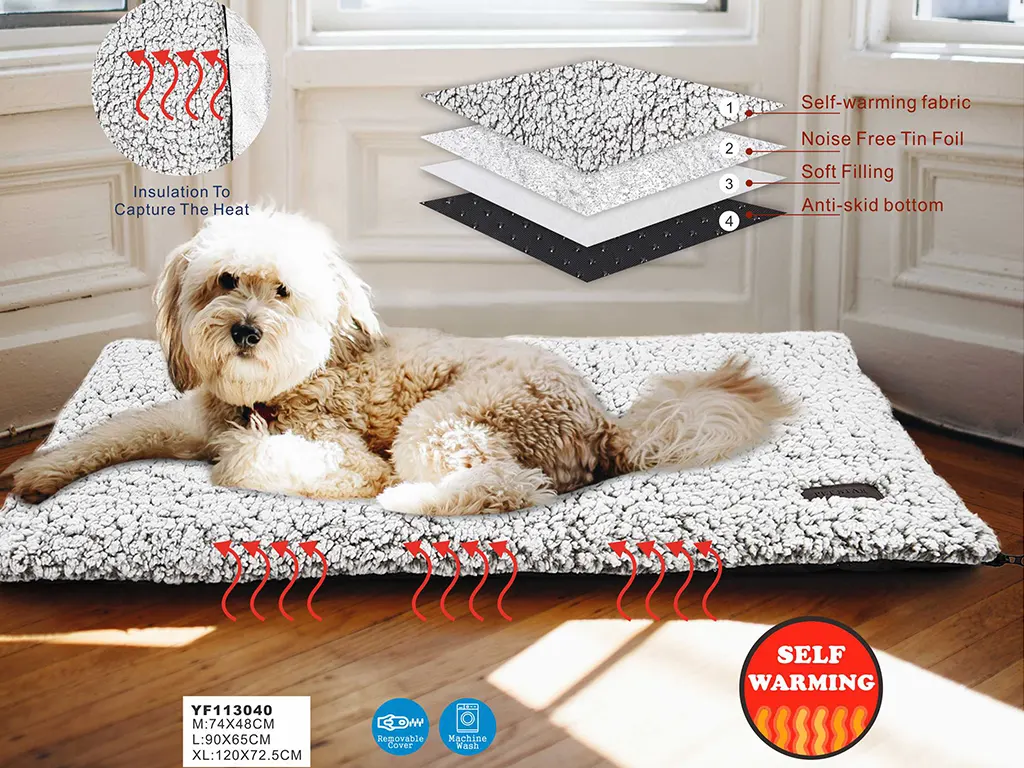
- Passive Technology: Engineering scalable self heating pet beds using Far-Infrared Fiber (7.05 clo) and Noise-Free Thermal Foil (5.57 clo) to bypass electrical liabilities.
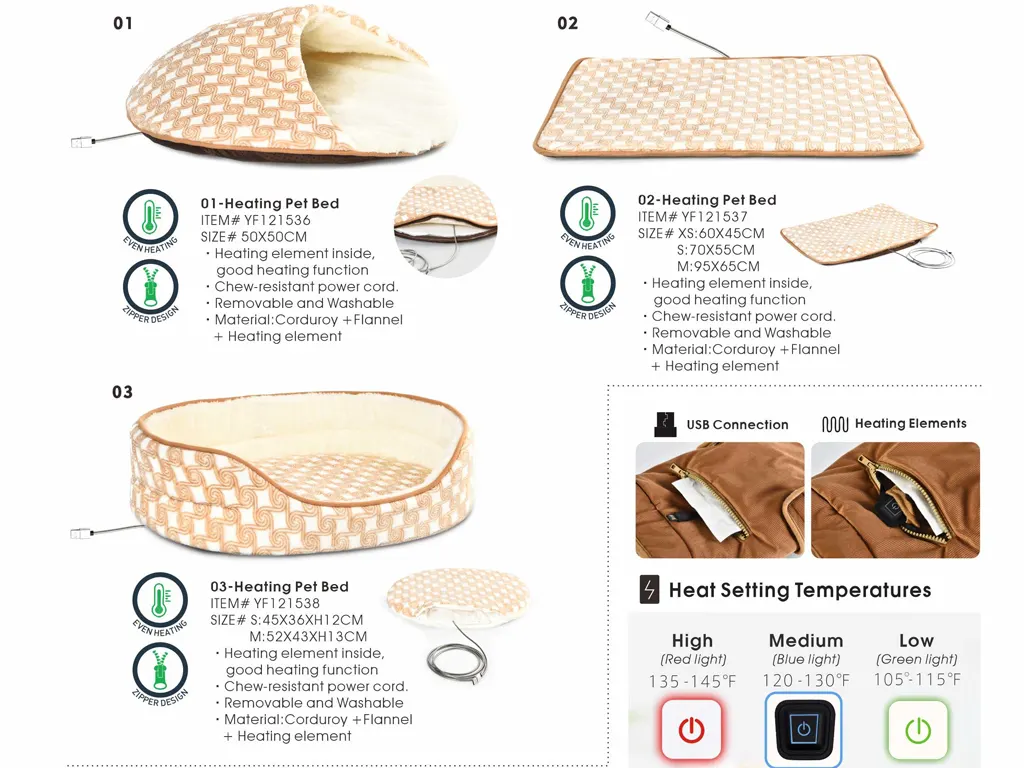
- Active Technology: Sourcing safe, low-voltage (5V–12V DC) electric beds armored with stainless steel chew protection for specialized senior and cold-climate segments.
- Regional Distribution: Adjusting procurement metrics to match localized purchasing behaviors across North America, Japan, and Northern Europe.
As consumer demand for premium, comfort-focused pet products continues to accelerate globally, winter pet bedding remains an indispensable, high-velocity category for enterprise retailers, international distributors, and private-label brands.
However, one macro supply chain trend has become increasingly clear: there is no single heating architecture that satisfies every geographical demographics.
Some consumer regions heavily prioritize simple, maintenance-free self heating pet beds to achieve zero-utility operations. Others require automated, active heating configurations specifically engineered to combat prolonged, sub-zero climates. Understanding these technical nuances empowers international buyers to compile highly profitable product assortments while mitigating procurement risks, reducing cross-border customs friction, and eliminating inventory inefficiencies.
For professional sourcing teams mapping out next-season programs, the operational question is no longer about whether to offer insulated solutions. The real challenge lies in selecting the exact heating technology that matches the regulatory and lifestyle expectations of each target territory.
Why Self-Warming Pet Beds Dominate Global Retail Programs
Across major brick-and-mortar supermarket networks, high-street pet chains, and volume e-commerce marketplaces, passive self-warming products consistently account for the clear majority of seasonal bedding purchase orders.
The driving factor behind this commercial dominance is operational simplicity. Unlike active electrical appliances, wholesale self heating pet beds require no external batteries, low-voltage power adapters, specialized electronic certifications beyond standard textile tests, or complex end-user instructions.
Instead, these product frameworks leverage advanced multi-layer thermal retention materials that capture, insulate, and reflect an animal's natural body heat footprint. Because the thermal energy originates entirely from the pet, a professional heated pet bed supplier can deliver a streamlined inventory line that is significantly simpler to import, ocean-ship, warehouse, and support post-sale.
In standard programmatic winter bedding rollouts, passive self-warming items typically represent approximately 90% of the total SKU allocation, allowing active electrical products to target specialized health niches. For global procurement offices looking to scale seasonal programs, these non-electric configurations provide the ultimate sweet spot between manufacturing affordability, consumer safety, and broad market scalability.
How Self-Warming Technologies Work: A Material Breakdown
Experienced buyers understand that not all passive thermal bedding options are created equal. To secure strong product differentiation, international brands work closely with pet beds wholesale suppliers to deploy two primary insulation systems:
1. Far-Infrared Fiber Technology
Representing the premier tier of passive textile engineering, far-infrared fibers absorb natural body heat radiation and bounce it back into the core bedding layers. This advanced material matrix is exceptionally effective for high-end winter collections and specialized self heating dog bed programs.
| Material Base (Sourcing Matrix) | Thermal Resistance Value (Insulation Rating) |
|---|---|
| Standard Polyester Bedding | 4.22 clo (0.355 m²K/W) |
| Premium Far-Infrared Core Superposition | 7.05 clo (1.09 m²K/W) |
2. Noise-Free Thermal Foil Technology
Reflective thermal foil acts as an absolute physical barrier against ambient cold air intrusion. While legacy metallic sheets generate sharp, disruptive crinkling noises that trigger pet anxiety, modern noise-free thermal foil structures laminate the reflective core within soft, acoustic-dampening poly-fill fibers. This secures an impressive insulation rating of 5.57 clo (0.864 m²K/W) while remaining completely silent, making it a highly profitable addition to any curated line of cat beds for winter.
When Electric Heated Pet Beds Become Necessary
Although passive architectures command overall shipping volumes, active wired solutions remain a vital, high-ticket revenue generator across specialized pet care segments.
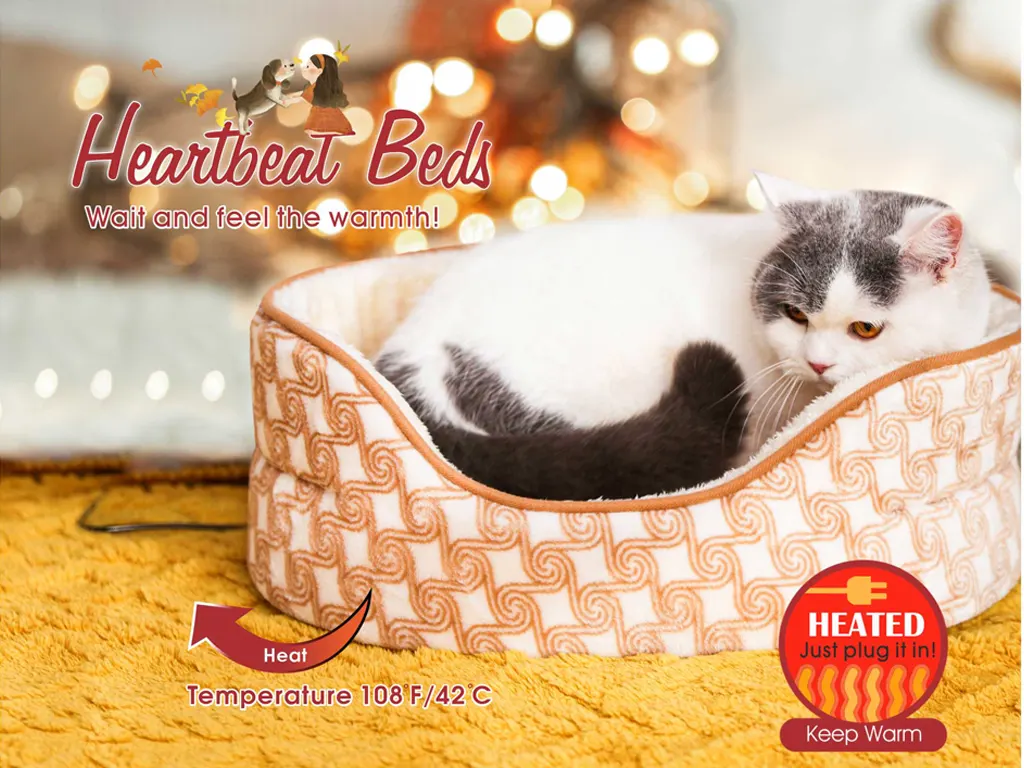
Unlike passive structures, electric beds actively generate uniform warmth independent of the pet's metabolic output. This continuous heat generation makes active lines the definitive recommendation for specific consumer demographics, including:
- Geriatric companion animals requiring a specialized heated orthopedic cat bed to mitigate stiff joints.
- Large dog breeds suffering from severe age-related osteoarthritis or hip dysplasia, necessitating heavy-duty heated dog beds for large dogs.
- Post-operative animals requiring stable, controlled clinical thermal environments during veterinary recovery.
- Exposed outdoor kennel systems, farm outbuildings, or unheated garages where passive insulation alone fails to preserve safe core temperatures.
For distributors operating across severe sub-zero territories, stocking an optimized mix of active electric units ensures a premium upgrade path within their broader winter dog bed and seasonal accessories catalogs.
Why Safety and Risk Management Are the First Questions Buyers Ask
When negotiating contract manufacturing programs for automated electrical items, top-tier brands evaluate strict safety compliance before reviewing cosmetic aesthetics. The underlying driver isn't just basic functionality—it is long-term business risk management.
Electric pet accessories operate in unpredictable domestic environments where heavy scratching, moisture saturation, raw chewing behaviors, and unmonitored daily usage are common. Because compromised electrical conductors present severe brand liability, experienced buyers prioritize suppliers utilizing low-voltage DC step-down technologies operating safely within the 5V to 12V DC range.
Low-voltage configurations deliver consistent, adjustable warmth while completely eliminating the risk of hazardous electrical shocks if the inner insulation core is punctured. This allows brands to comfortably satisfy the strict product liability expectations of major Western consumer markets.
Why Removable Heating Modules and Anti-Chew Armor Improve Product Satisfaction
To protect retail margins and minimize e-commerce platform return rates, volume buyers verify two structural durability features during product qualification:
1. Detachable Modular Electronics
Integrating an independent, zippered internal pouch allows consumers to easily unclip the heating wire and thermostat sensors before tossing the fabric cover into a standard washing machine. This modular layout simplifies hygiene upkeep for heavy-shedding households while extending the overall operational lifespan of the physical asset.
2. Stainless Steel Chew-Proof Armor Cords
To combat the natural chewing instincts of teething puppies and powerful breeds, premier active beds wrap the copper electrical lines inside flexible, heavy-duty stainless steel anti-chew protective armor tubing. This mechanical shield stops teeth from exposing bare copper wiring, turning a common after-sales safety hazard into a durable, trust-building product feature.
How Market Demand Differs by Region
Building a balanced portfolio requires adapting your order allocations to regional consumer habits:
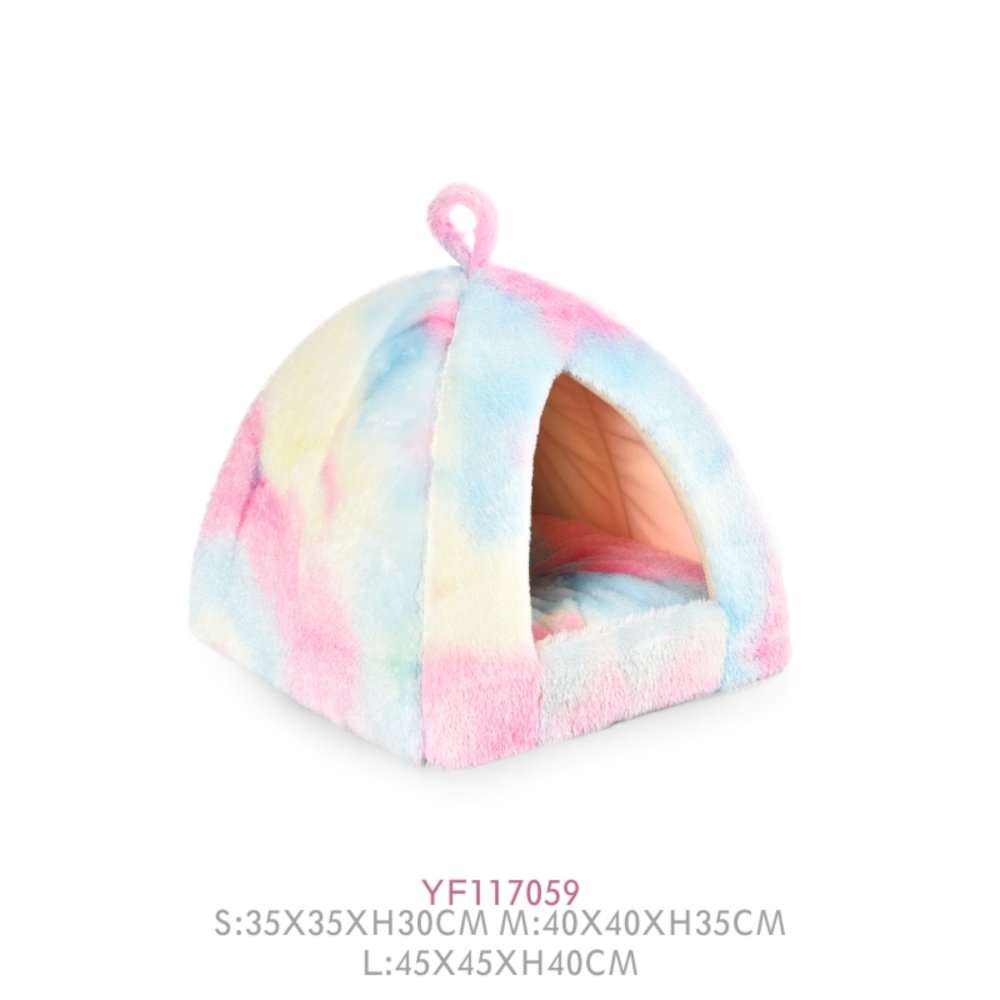
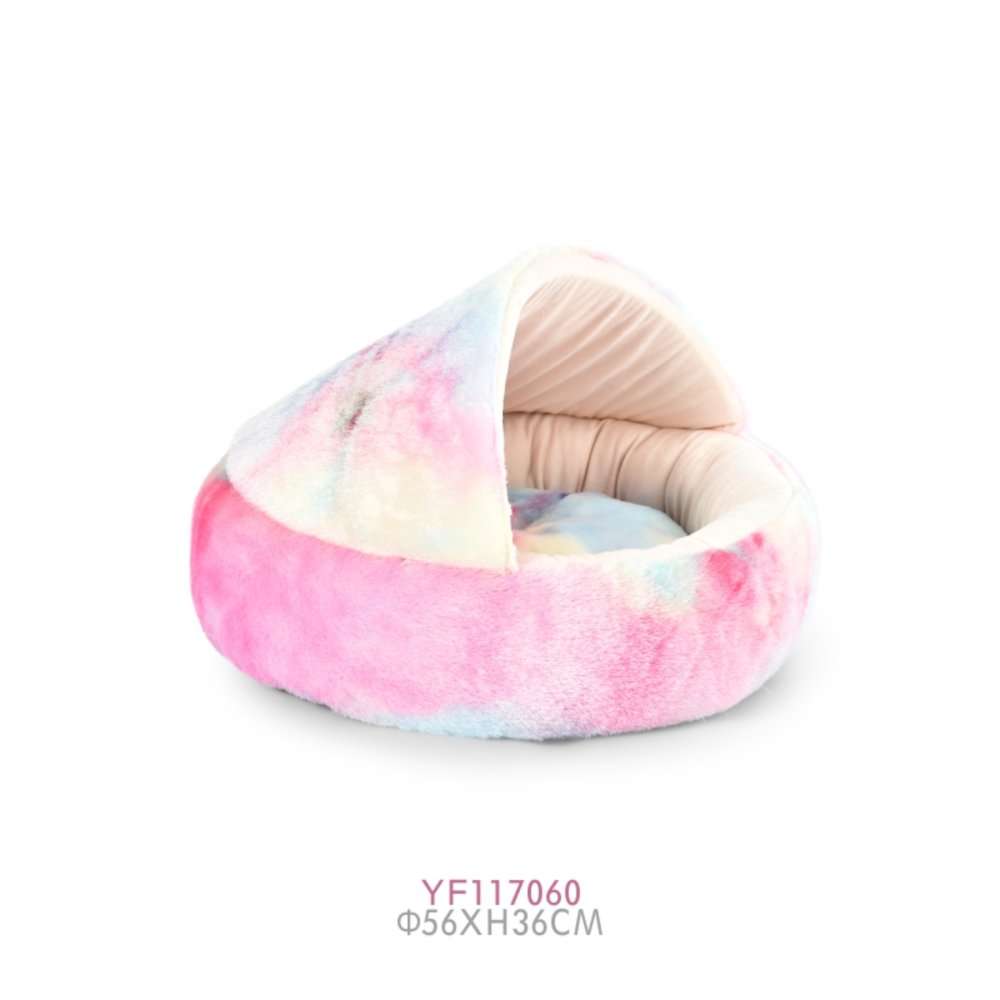
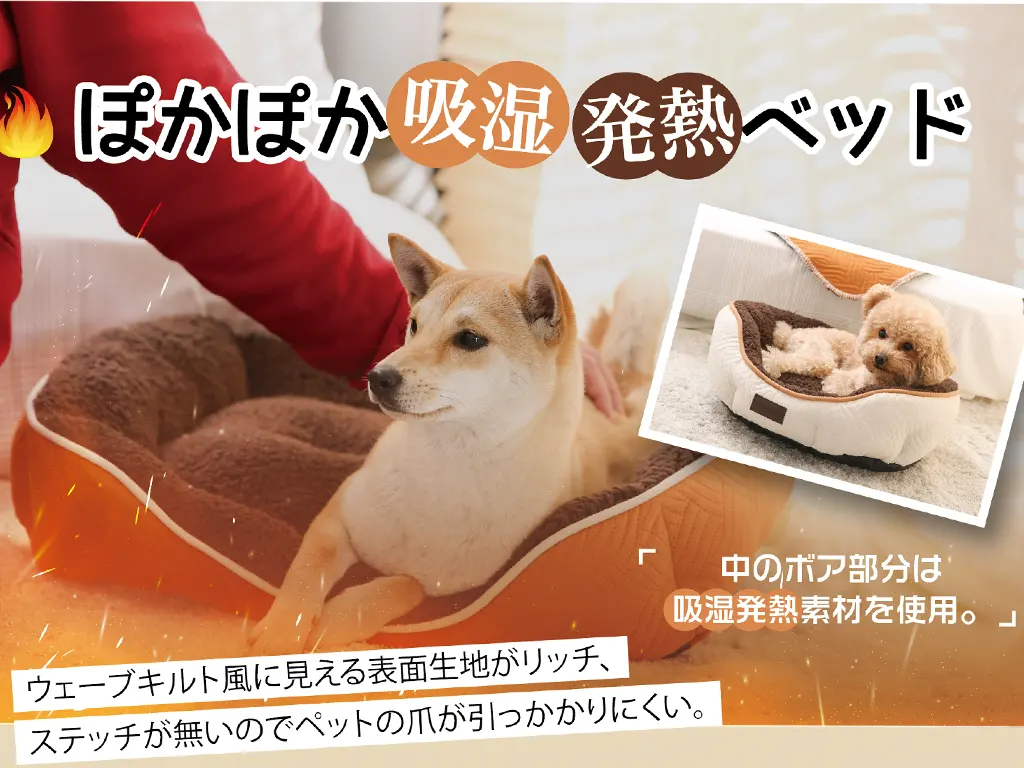
Giappone: Demonstrates a powerful preference for quiet, non-electric, maintenance-free solutions. Sourcing programs focus heavily on noise-free thermal foil cat caves, enclosed cushions, and compact indoor spaces where silent operation is critical for small apartment living.

North America: Represents a highly diverse, high-volume landscape. Mass retail channels lean toward cost-effective self-warming mats, while cold northern states and Canada drive consistent seasonal orders for heavy-duty heated dog beds for large dogs and energy-efficient low-voltage heating pads.
Northern Europe & Scandinavia: Exhibits a mature, premium-focused consumer base well-accustomed to extreme winter weather. Buyers in these territories frequently seek out high-specification electric orthopedic bedding and are willing to pay premium wholesale prices for verified CE, RoHS, and electrical safety testing.
How Retailers Build a Complete Winter Product Line
Rather than locking a procurement program into a single category, veteran sourcing directors deploy a tiered, multi-technology winter bedding matrix to maximize cross-selling and market share:
The Tiered Winter Assortment Blueprint:
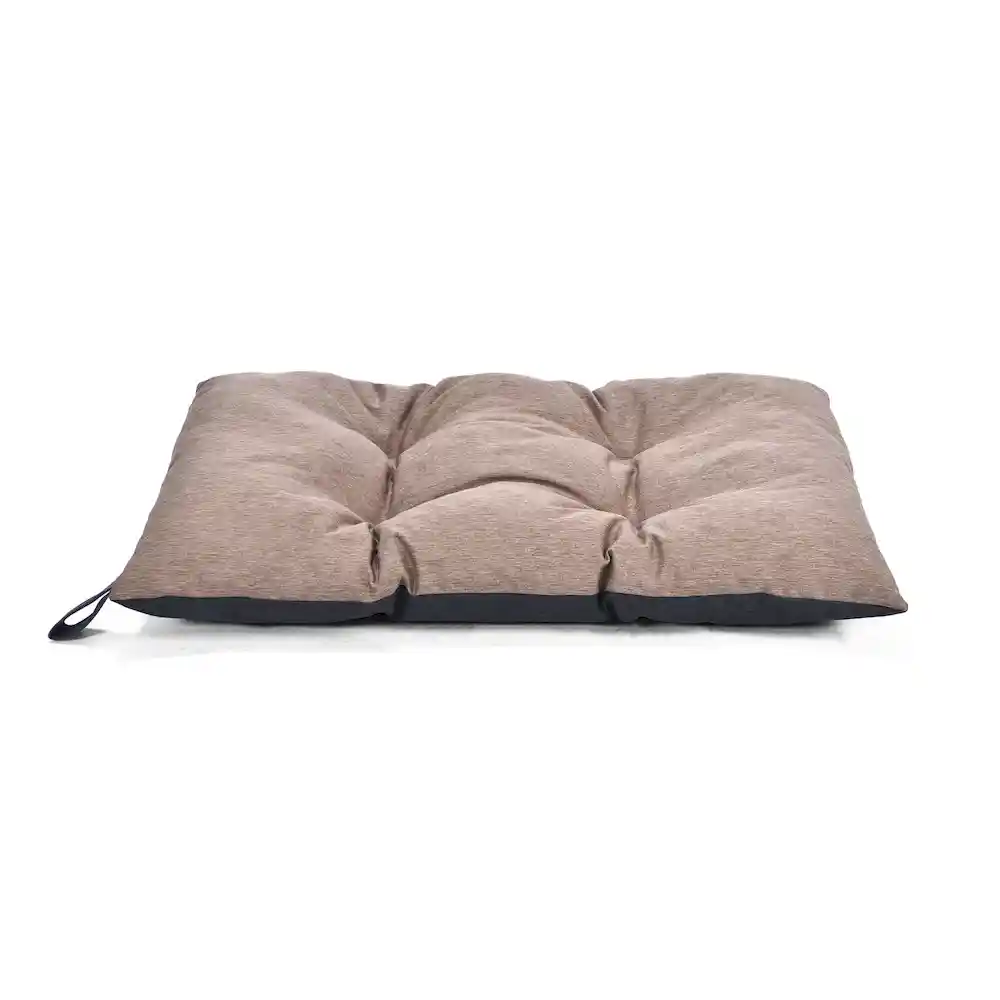
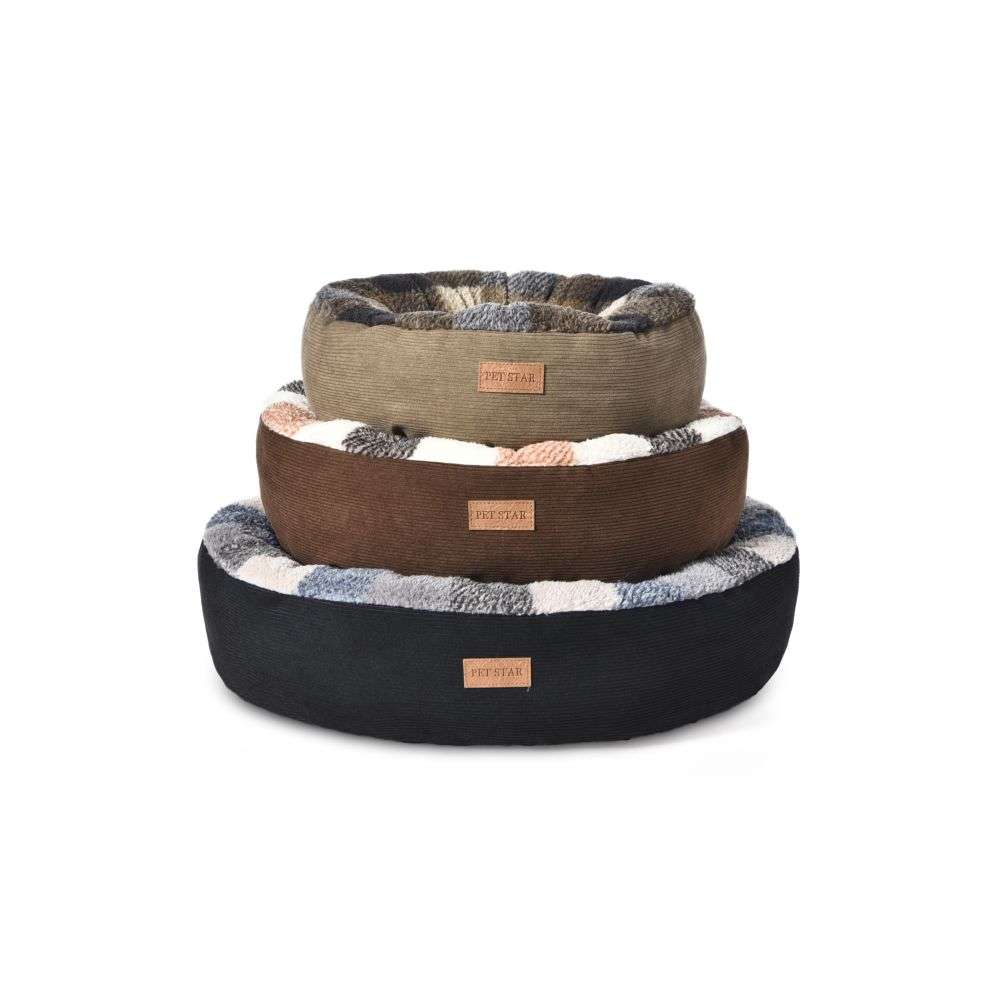
- Entry Tier (High Volume): Standard fiber-fill cushions combined with basic self-heating texturing to capture mass-market impulse buys.
- Mid Tier (E-Commerce Specialty): Premium il miglior lettino autoriscaldante per cani lines utilizing bioceramic far-infrared fibers or noise-free thermal foil insulation.
- Premium Tier (Therapeutic Health): Advanced low-voltage, temperature-controlled electric beds featuring removable heating panels tailored specifically as a heated pet beds for retailers program highlight.
Conclusion: Selecting the Right Heating Partner for Your Market
Ultimately, selecting the ideal heating technology depends entirely on your localized retail channels, target pricing tiers, and regional compliance environments. Passive self heating pet beds remain the undisputed foundation for mass-market distribution due to their zero-liability, maintenance-free, and logistics-friendly characteristics. Simultaneously, active electric heated configurations unlock highly profitable, premium revenue streams from pet wellness and cold-climate specialty segments demanding technical thermal performance.
For international sourcing teams planning future private-label winter bedding rollouts, partner selection is the final piece of the profitability puzzle. Working with an established, multi-regional heated pet bed supplier operating fully certified BSCI, SMETA-4P, and Costco Audited facilities across China, the US, and Cambodia ensures your brand secures unparalleled factory-direct pricing, seamless customs entry, and market-leading product durability.