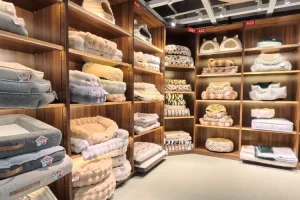
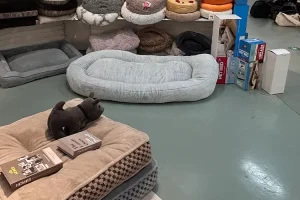
As a pet bed distributor or retailer, selecting the right materials is crucial for offering high-quality, durable, and cost-effective products that meet your customers’ needs. In this guide, we’ll explore the most common materials used in pet beds, key factors to consider when choosing these materials, and how selecting the right options can help you provide greater value to your customers and enhance your product’s market competitiveness.
1. Common Materials Used in Pet Beds
Foam (Memory Foam, Orthopedic Foam)
Foam is a key component in pet beds, especially for higher-end models. Wholesale Memory Foam Pet Bed Manufacturer businesses often utilize memory foam and orthopedic foam due to their superior comfort and support features.
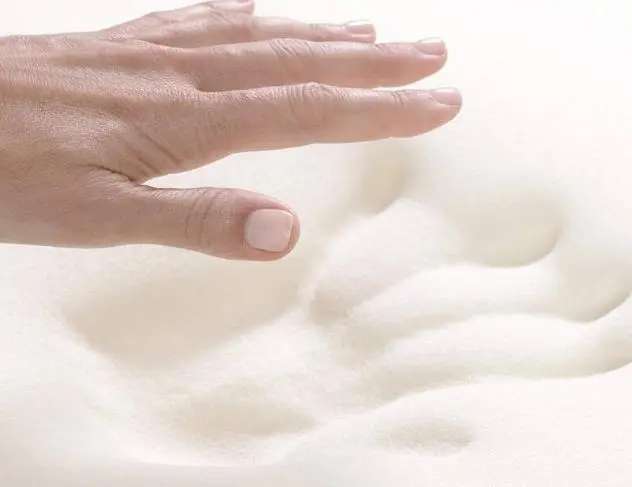
- Memory Foam: Known for its ability to conform to the pet’s body shape, memory foam is ideal for premium pet beds, especially for older or large pets. As a memory foam pet bed factory supplier, we offer customized memory foam beds to retailers or distributors to meet market demands.
- Orthopedic Foam: Orthopedic foam is firmer and provides better support for pets with joint issues, making it a popular choice for specialized pet beds. If your company is a bulk orthopedic pet beds supplier, this material can set your product apart in the market.
While standard memory foam is popular, evaluating [memory foam vs egg crate foam dog beds] is essential to balance orthopedic support with vacuum-compression shipping costs.
Polyester (Polyfill, Fleece, Sherpa)
Polyester is widely used in mid-range pet beds due to its affordability, durability, and ease of maintenance.
- Polyfill: Used as filling in plush pet beds, polyfill is lightweight and cost-effective. As a custom polyester pet bed supplier, you can offer different levels of fill to meet the specific requirements of our clients.
- Fleece & Sherpa: These materials provide warmth and comfort, making them popular for pet beds designed for colder climates or indoor use. B2B Polyester Pet Bed suppliers often stock these materials in bulk, allowing you to be more competitive than your counterparts.
Cotton (Natural, Organic)
Cotton is a breathable and comfortable material often used in pet beds. Organic cotton is a preferred option for eco-conscious businesses.
- Natural Cotton: Breathable and hypoallergenic, natural cotton is a strong option for pet beds targeting health-conscious consumers. As a custom cotton pet beds supplier, we offer high-end products tailored to specific market segments.
- Organic Cotton: With increasing demand for sustainability, offering organic cotton beds can help you stand out. sustainable pet bed supplier for businesses can tap into this growing trend to build a brand associated with eco-friendly values.
Nylon (Waterproof Nylon)
Nylon is known for its durability and water-resistant properties, making it an excellent material for outdoor or travel pet beds.
- Waterproof Nylon: Waterproof nylon offers practical benefits, such as protection against spills and accidents. As a B2B waterproof nylon pet beds supplier, incorporating nylon into your product line allows you to target retailers focused on outdoor pet accessories.
Synthetic Blends (Polyester-Cotton Blends)
Combining polyester and cotton provides the durability of synthetic fibers with the softness of natural fibers. These blends are frequently used in pet bed covers.
- Polyester-Cotton Blends: These blends are easy to clean and maintain, making them suitable for pet beds aimed at active pet owners. Offering customizable pet bed materials for B2B gives your clients flexibility in choosing the best options for their markets.

Recycled Materials (Eco-friendly, GRS Certified)
Sustainability is becoming a significant selling point in the pet industry, and using recycled materials helps meet this demand.
- Recycled Polyester: Utilizing recycled polyester can appeal to eco-conscious clients. As an Eco-Friendly Pet Bed Materials Distributor, offering GRS-certified materials provides added value to your business model.
- Recycled Cotton: Similar to polyester, recycled cotton contributes to a lower environmental impact. A recycled materials pet bed manufacturer can differentiate itself by offering eco-friendly solutions to wholesale clients.
2. Factors to Consider When Choosing Materials
Comfort and Support for Pets
Comfort is a top priority, especially for older pets or pets with health concerns. Memory foam and orthopedic foam offer premium comfort, while polyester and polyfill are more budget-friendly options.
Durability and Longevity
Durability is essential for pet beds, especially those targeting larger breeds or active pets. Materials like nylon, memory foam, and recycled polyester are known for their durability. As a durable pet bed manufacturer for retailers, offering robust materials ensures your products have a long lifespan, increasing customer satisfaction.
Ease of Cleaning and Maintenance
Pet owners favor beds that are easy to clean. Materials like waterproof nylon and polyester blends offer the convenience of low-maintenance care, making them ideal for clients looking for waterproof nylon pet beds for bulk orders.
Hypoallergenic and Pet-Safe Properties
Hypoallergenic pet beds are crucial for customers with pets that have sensitivities. Organic cotton and memory foam are examples of hypoallergenic materials. Wholesale hypoallergenic pet beds are an attractive option for retailers catering to health-conscious buyers.
Cost-Effectiveness for Businesses
Polyester and polyfill materials are cost-effective, allowing you to offer affordable pet beds without sacrificing comfort or durability. Providing cost-effective pet bed manufacturing solutions helps your business remain competitive while delivering value to B2B clients.
Sustainability and Eco-friendliness
As consumers become more environmentally aware, eco-friendly materials such as recycled polyester and organic cotton are in high demand. Working with a sustainable pet bed manufacturing partner helps position your company as a leader in green manufacturing.
3. Pros and Cons of Different Materials
Foam (Memory and Orthopedic Foam)
- Pros: Excellent for support and comfort, especially for older pets.
- Cons: Higher cost compared to synthetic materials.
- Best For: High-end retail markets seeking wholesale memory foam pet beds.
Polyester (Polyfill, Fleece, Sherpa)
- Pros: Affordable, durable, and easy to clean.
- Cons: May not offer the same level of support as foam.
- Best For: Budget-conscious buyers purchasing in bulk.
Cotton (Natural, Organic)
- Pros: Breathable and hypoallergenic.
- Cons: Less durable than synthetic options.
- Best For: Eco-friendly and high-end markets.
Nylon (Waterproof Nylon)
- Pros: Durable and water-resistant.
- Cons: Can be less comfortable without proper padding.
- Best For: Outdoor and travel pet beds targeting retailers needing Custom Waterproof Pet Bed Materials for Retailers.
Synthetic Blends
- Pros: Durable and versatile.
- Cons: May not align with eco-conscious consumers.
- Best For: Clients seeking durability and ease of maintenance in B2B Polyester Pet Bed Manufacturers.
Recycled Materials
- Pros: Eco-friendly and sustainable.
- Cons: Higher production costs.
- Best For: Businesses that value sustainability and want to align with Wholesale Pet Bed Innovation for Businesses.
4. Making the Right Choice for Your Business
Understand Your Target Market and Pet Needs
Before deciding on materials, it’s essential to understand the specific needs of your target market. Whether it’s premium Custom Pet Bed Manufacturer for Brands services or budget-friendly options, aligning your product materials with your market ensures customer satisfaction.
Assess Material Durability vs. Comfort
Striking the right balance between durability and comfort is crucial. Foam offers superior comfort but comes at a higher cost, while polyester is more affordable but less supportive.
Consider Cleaning and Maintenance for Pet Owners
Pet owners appreciate easy-to-clean materials. Nylon and synthetic blends offer excellent ease of maintenance, which is a strong selling point for clients looking for B2B Pet Bed Customization Services.
Factor in Sustainability and Brand Image
Aligning your brand with sustainability trends can improve your market position. Partnering with Sustainable Pet Bed Suppliers for Businesses allows you to offer products that resonate with today’s eco-conscious consumers.
Balance Cost-Effectiveness with Premium Features
Offering both affordable and premium options ensures you cater to a wide range of clients. Providing Cost-Effective Pet Bed Manufacturing Solutions while maintaining product quality can help build long-term B2B partnerships.
5. Conclusion
In conclusion, choosing the right materials for pet beds is a vital decision that can significantly impact your business. From providing comfort and durability to maintaining cost-effectiveness and sustainability, the materials you select must align with the needs of your target market. Whether you’re offering Wholesale Hypoallergenic Pet Beds Manufacturer services or Customizable Pet Bed Materials for B2B, understanding your clients’ requirements ensures you provide top-quality products that meet industry standards.
Share
Product Catagory
Recent Articles
Custom Dog Bed Development: From Reference Image to Production
Dog Crate Mat Size Guide for Wholesale & Private Label Buyers
Contact Manufacturer
You Might Also Like