How to Choose the Right Elevated Pet Bed for Indoor and Outdoor Environments
- yangpenghui@tianyuanpet.com
Share
Product Catagory
Recent Articles
Custom Dog Bed Development: From Reference Image to Production
Dog Crate Mat Size Guide for Wholesale & Private Label Buyers
Contact Manufacturer
As demand for elevated pet beds continues to grow across retailers, distributors, kennels, and hospitality channels, this category has become a practical choice for bulk procurement.
Elevated designs offer clear functional advantages, including improved airflow, better hygiene through off-ground construction, and enhanced durability for repeated daily use. For B2B buyers, these benefits ensure consistent performance across different sales and usage scenarios.
At the same time, selecting elevated beds based on indoor or outdoor environments plays a critical role in reducing complaints and returns.
Differences in flooring, climate exposure, and usage intensity require environment-specific materials and structures. Aligning product design with its intended setting helps bulk buyers manage quality expectations, minimize after-sales issues, and build more reliable elevated bed programs.
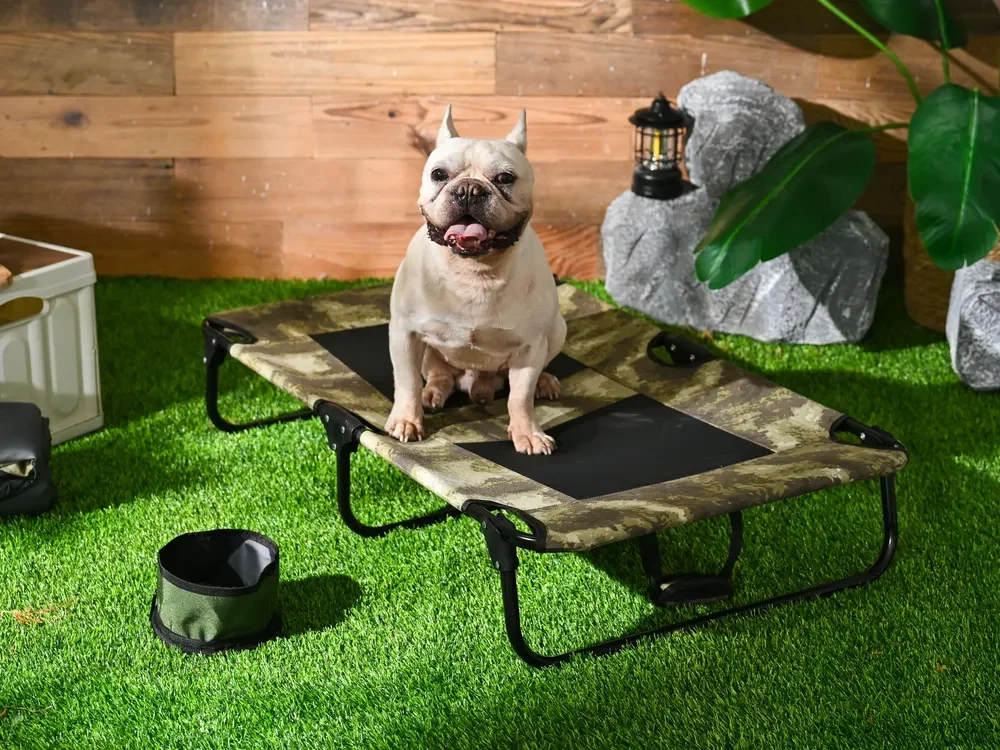
What Are the Key Differences Between Indoor and Outdoor Elevated Pet Beds?
When elevated pet beds are sourced in bulk, the first decision B2B buyers must make is defining the intended environment. Indoor and outdoor applications place very different demands on structure, materials, and durability. Clarifying these differences early helps buyers narrow specifications, avoid misuse-related complaints, and build more reliable elevated pet bed programs across channels.
Indoor Environments
For indoor use, elevated structures must prioritize noise reduction and floor protection, particularly on hard surfaces like wood or tile. Anti-slip feet and quiet frame construction help prevent movement and unwanted noise during daily use.
Visual appeal is also important, as indoor beds need to align with modern home interiors and retail presentation standards. In addition, comfort plays a central role indoors, where pets often rest for extended periods. Stable structures and breathable surfaces support long-term use without compromising comfort or durability.
Outdoor Environments
Outdoor elevated designs face more demanding conditions and require materials that resist moisture, UV exposure, and temperature fluctuations. Frames and fabrics must maintain strength and tension when exposed to sun, rain, or humidity.
Stability is equally important, as outdoor surfaces are often uneven in kennels, patios, or commercial spaces. Easy-to-clean designs are especially valuable in high-traffic environments, allowing bulk buyers to support hygiene standards while minimizing maintenance time and operational costs.
Which Frame Materials Work Best for Elevated Pet Beds?
Once indoor and outdoor requirements are clearly defined, frame material becomes the next critical consideration. The right frame determines not only load-bearing performance but also long-term stability and warranty risk. For bulk buyers, selecting appropriate frame materials ensures consistency across large orders and reduces structural failures over time.
Frame Material | Indoor Suitability | Outdoor Suitability | Load-Bearing Performance | Durability & Risk Considerations |
Metal Frame | High | High (with coating) | Strong and consistent | Long lifespan; corrosion-resistant coating required for outdoor use to reduce warranty risk |
Wood Frame | High | Low | Moderate | Suitable for indoor aesthetics; sensitive to moisture and not ideal for outdoor environments |
Composite Frame | High | Medium–High | Stable with lighter weight | Balanced durability and weight; lower rust risk than metal, good for mixed-use programs |
Indoor Applications
For indoor environments, metal, wood, and composite frames can all perform well when matched to the right positioning.
- Metal frames provide strong load-bearing support for extended daily use.
- Wood frames offer a furniture-style appearance that aligns with home interiors but require dry, controlled conditions.
- Composite frames deliver a clean look with reliable structure while keeping overall weight manageable.
For bulk programs, clearly defined load capacity helps ensure consistency across shipments and reduces customer complaints.
Outdoor Applications
Outdoor elevated pet beds demand higher structural resilience.
- Metal frames with anti-rust coatings and reinforced composite frames perform best under exposure to moisture, UV light, and temperature changes.
- Wood frames are generally not recommended due to accelerated wear.
In large-volume purchasing, selecting frames with higher load-bearing ratings and proven durability directly extends product lifespan and lowers warranty and replacement risk.
Which Fabrics Are Best for Different Elevated Pet Bed Applications?
With the frame structure established, fabric selection plays a key role in overall product performance. Different usage scenarios require different balances of durability, breathability, and maintenance efficiency. For B2B buyers, aligning fabric choice with environment and usage intensity helps extend product lifespan and control after-sales costs.
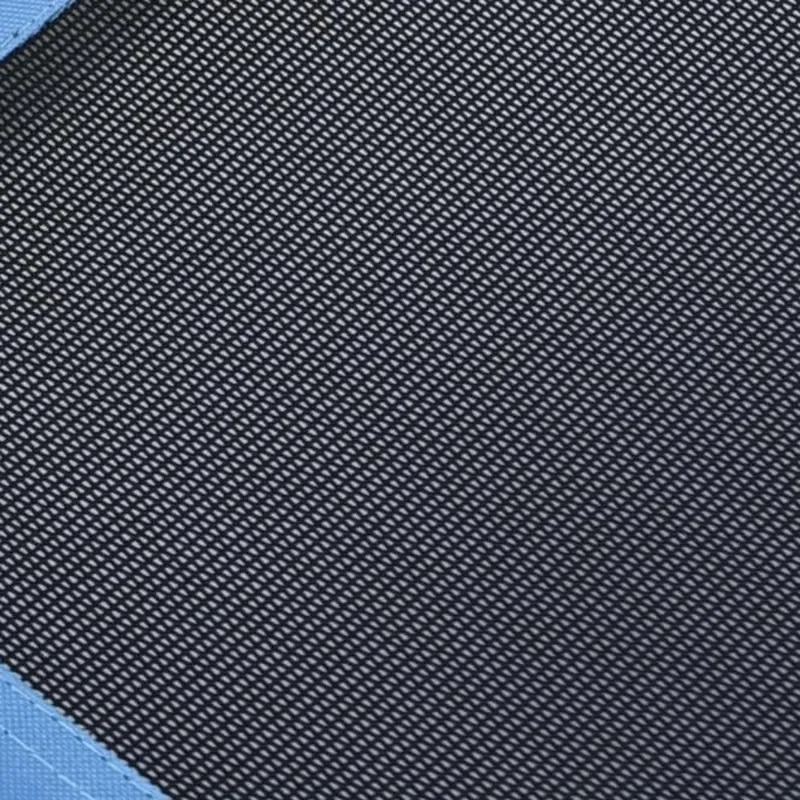
Textilene Mesh
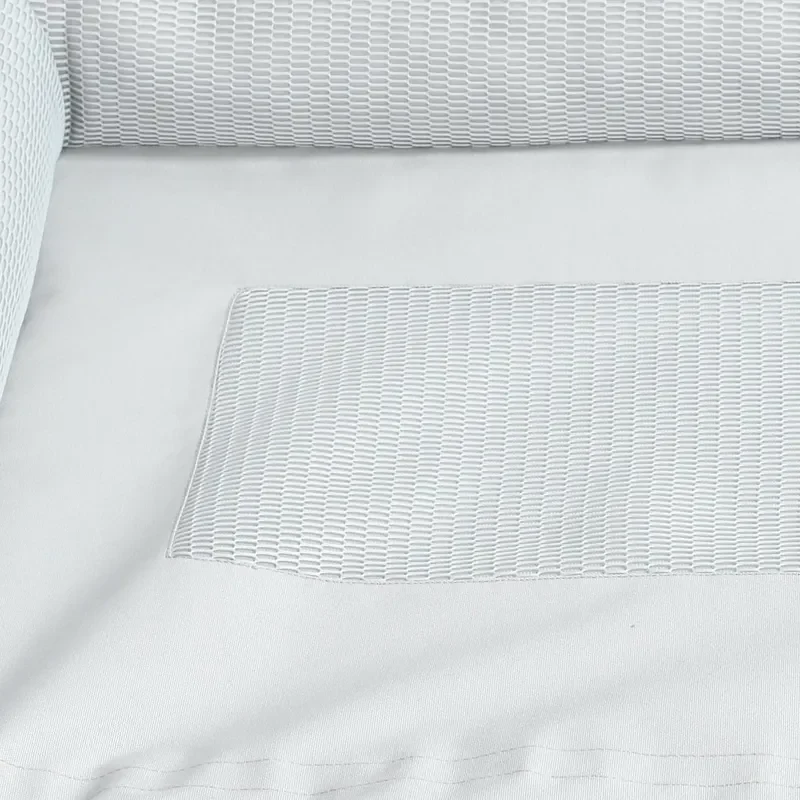
Textilene mesh is engineered to provide higher chew resistance than standard mesh fabrics while maintaining adequate airflow. Its PVC-coated polyester structure offers improved tensile strength, allowing the fabric to retain tension under continuous weight and movement. This makes it suitable for indoor environments with active dogs and semi-outdoor settings where durability is required without fully sacrificing breathability. For bulk programs, Textilene mesh helps reduce fabric deformation and premature sagging, lowering replacement and after-sales risk.
Oxford Fabric
Oxford fabric prioritizes structural durability and tear resistance over ventilation. Its tightly woven construction provides strong resistance to abrasion, making it suitable for indoor environments or covered outdoor areas where airflow is not the primary concern. From a B2B perspective, Oxford fabric performs well in applications that require long service life and consistent appearance across batches. It is often selected for programs where fabric failure would directly impact brand perception or warranty exposure.
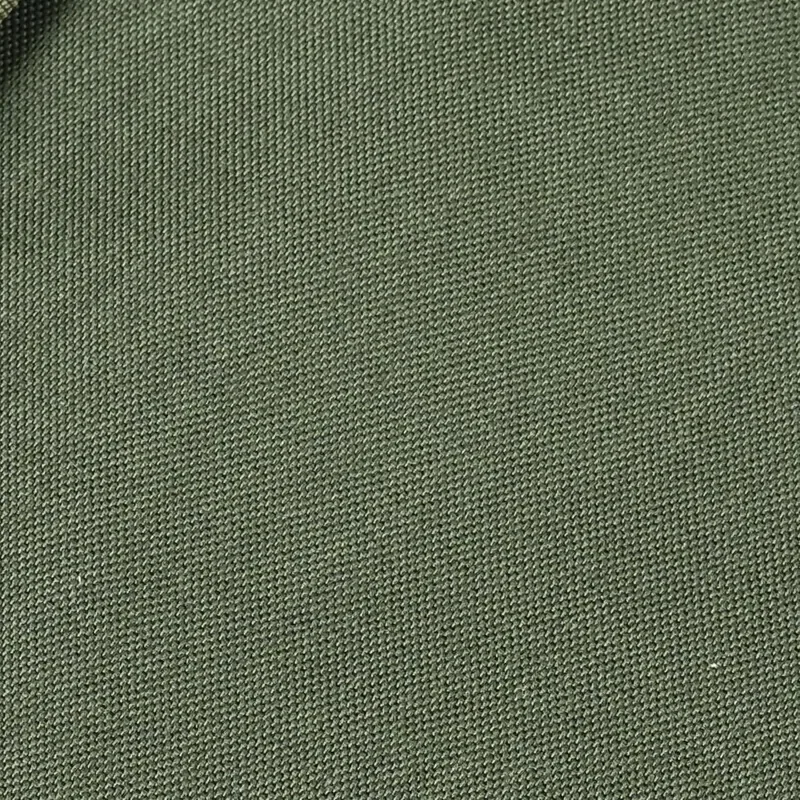
RPVB Fabric
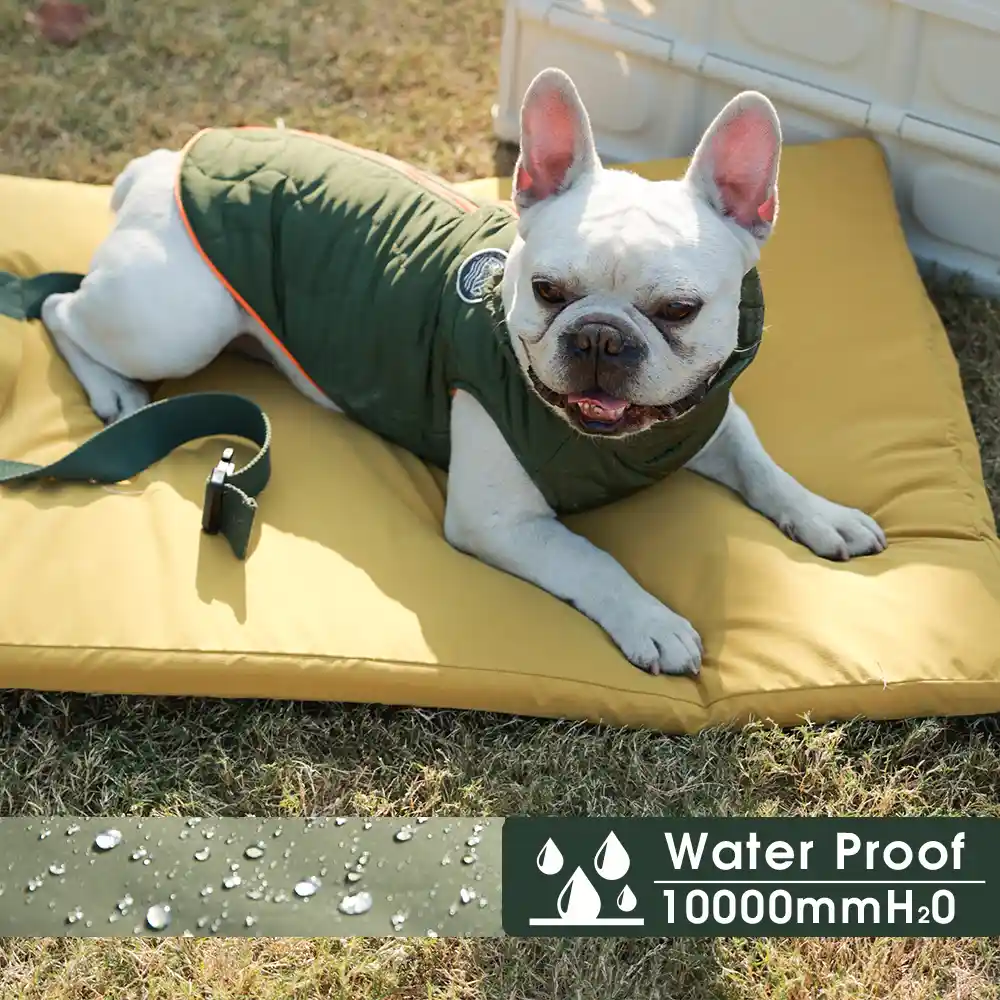
RPVB fabric offers an eco-friendly and waterproof solution designed for moisture-prone environments. Its coated structure prevents water penetration while supporting easy cleaning and hygiene management. This makes it well suited for outdoor applications, kennels, and commercial settings where frequent cleaning is required. For bulk buyers, RPVB fabric helps control maintenance costs and reduces the risk of odor retention or material degradation caused by prolonged moisture exposure.
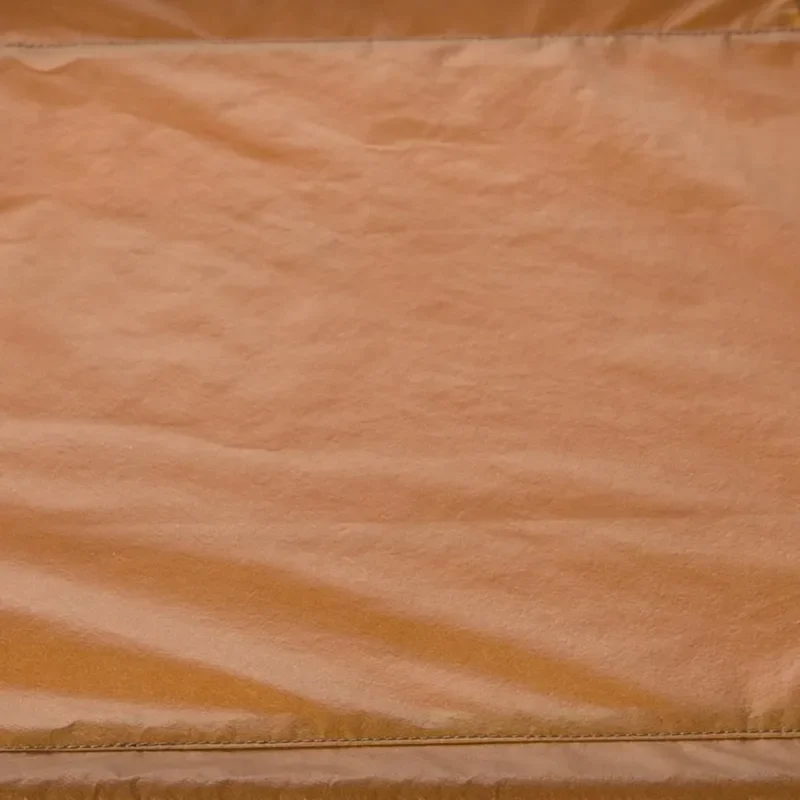
Cooling Fabric
This composite material combines a polyester knitted surface with an integrated cooling gel foam layer. The knitted fabric provides a soft yet durable surface, while the cooling gel layer helps regulate surface temperature during extended rest periods. This fabric is particularly effective in indoor environments or warm climates where heat buildup can affect comfort. For B2B buyers, this option supports premium positioning while maintaining stable performance in large-scale production.
Common Design Risks in Bulk Elevated Pet Bed Purchasing
Even with suitable frames and fabrics, elevated pet beds can underperform if key design risks are overlooked. In bulk purchasing, small weaknesses are often amplified across large shipments. Identifying common design pitfalls early helps B2B buyers protect product consistency, reduce returns, and maintain brand reliability.
Lightweight frames that lack proper reinforcement may deform over time, especially under continuous use or higher weight loads. This can lead to instability, reduced lifespan, and increased warranty claims. Similarly, fabrics that sag or lose tension after repeated use compromise both comfort and structural support, resulting in negative end-user experiences.
Another frequent risk is environmental mismatch. Beds designed primarily for indoor use may underperform when placed outdoors, leading to accelerated wear, customer complaints, and returns. Aligning frame structure and fabric selection with the intended indoor or outdoor environment helps bulk buyers reduce negative feedback and protect long-term product value.
Customization Opportunities for B2B Buyers
For elevated pet bed programs, customization is a key advantage for bulk buyers seeking to differentiate products across channels and usage scenarios. As an experienced elevated pet bed manufacturer, Petstar supports a wide range of structural and design adjustments to help B2B customers build elevated bed lines that are fit for purpose, scalable, and commercially viable.
Structural and Functional Customization
Petstar offers flexible customization options for core structural elements, including bed height, fabric type, and frame thickness. Height adjustments allow buyers to tailor products for indoor comfort, outdoor airflow, or senior and mobility-focused applications. Frame thickness and reinforcement can be customized based on target weight capacity and usage intensity, ensuring long-term stability in both residential and commercial environments. Fabric selection can be aligned with specific performance needs, such as UV resistance, waterproof for outdoor use or quieter, floor-friendly, mite-repellent materials for indoor settings. These functional adjustments help bulk buyers reduce failure rates and maintain consistent performance across large production runs.
Branding and Private Label Solutions
To support brand positioning, Petstar provides comprehensive private label services, including logo placement, colorway development, and packaging customization. Buyers can select neutral, minimalist palettes for home-focused retail channels or more rugged, functional designs for outdoor and professional use. Consistent branding across elevated pet bed collections helps strengthen market recognition while maintaining production efficiency. Petstar’s in-house coordination ensures that visual customization does not compromise material performance or structural integrity.
Channel-Specific Design Alignment
Different sales channels place different demands on elevated pet beds. Petstar works closely with B2B buyers to align designs with specific channel requirements, whether for e-commerce, pet specialty retail, kennels, or hospitality applications. For example, e-commerce-focused products may prioritize simplified assembly and compact packaging, while commercial channels often require reinforced frames and easy-clean surfaces. By aligning customization with channel needs, bulk buyers can improve sell-through, reduce returns, and build elevated bed programs that scale efficiently across markets.
Through these customization capabilities, Petstar helps B2B partners balance product differentiation with manufacturing consistency, making elevated pet beds a reliable and adaptable category for long-term bulk sourcing.
How Petstar Supports Scalable Elevated Bed Programs
Effective customization and design choices rely on strong manufacturing support. For elevated pet bed programs targeting multiple environments, a manufacturer’s ability to manage sampling, quality control, and production consistency directly impacts scalability. Petstar supports B2B buyers with structured processes designed specifically for large-volume programs.
Petstar offers a 3 to 7 days sampling timeline, allowing buyers to quickly validate frame structure, fabric performance, and overall construction before mass production. This efficient sampling process helps reduce development cycles while ensuring the product meets environmental and channel-specific requirements.
Quality consistency is managed by a dedicated QA/QC team of over 30 staff, overseeing material inspection, in-process checks, and final product verification. This system is especially critical for elevated beds, where frame strength, fabric tension, and assembly accuracy directly impact product lifespan and customer satisfaction in bulk deployments.
To maintain uniform performance across large shipments, Petstar implements structured production planning and batch control. Standardized specifications, controlled material sourcing, and documented assembly procedures ensure that elevated pet beds produced today match those delivered months later. This approach minimizes variation, reduces warranty risk, and supports reliable long-term supply programs for B2B partners.
Conclusion
Selecting the right elevated pet bed for indoor and outdoor use requires more than visual design. For B2B buyers, performance-driven decisions around frame materials, fabric selection, structural durability, and environmental suitability directly affect returns, complaints, and brand trust. Indoor environments prioritize noise reduction, aesthetics, and comfort, while outdoor settings demand resistance to weather, stability, and ease of maintenance.
Equally important is working with a manufacturer capable of supporting large-scale production. Through fast sampling, strict quality control, and consistent production planning, Petstar helps bulk buyers develop elevated pet bed programs that perform reliably across environments and sales channels. By aligning product design with usage scenarios and manufacturing capabilities, B2B buyers can build scalable, low-risk elevated pet bed collections for long-term growth.
Related Blogs

You Might Also Like