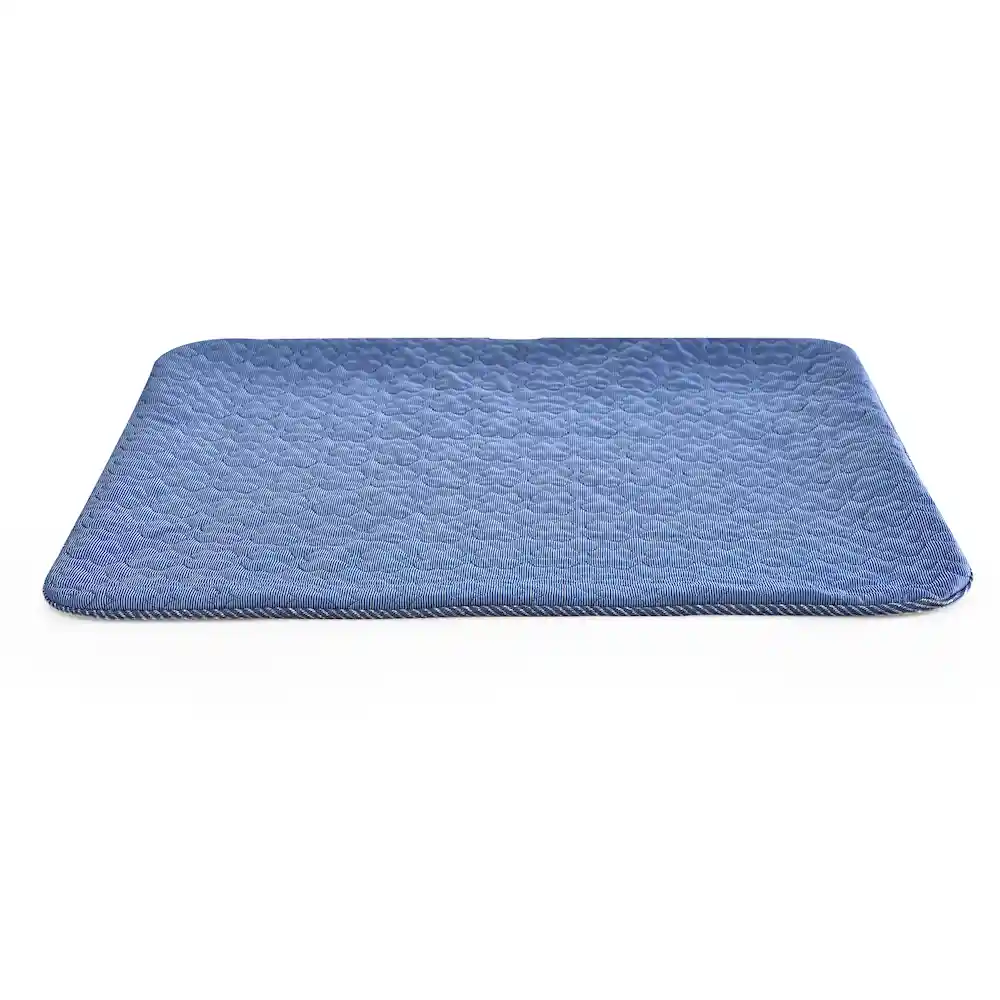
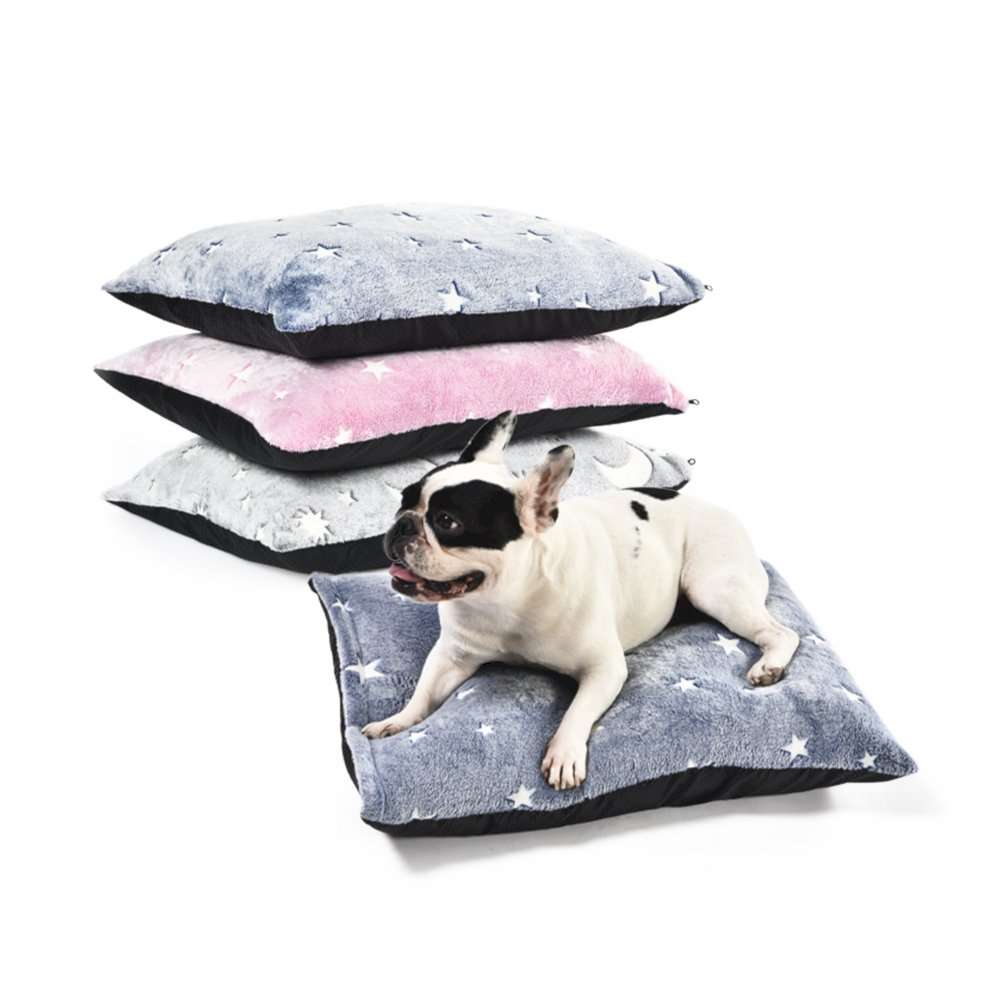
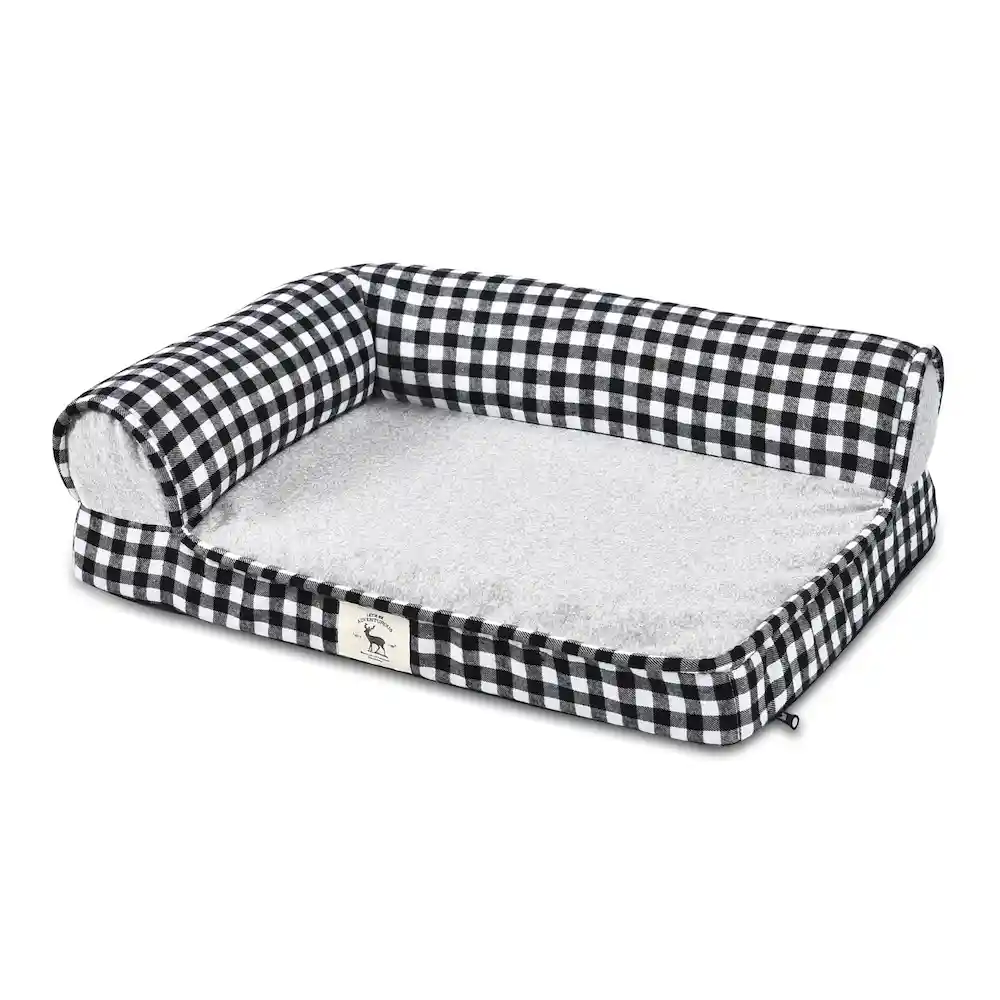
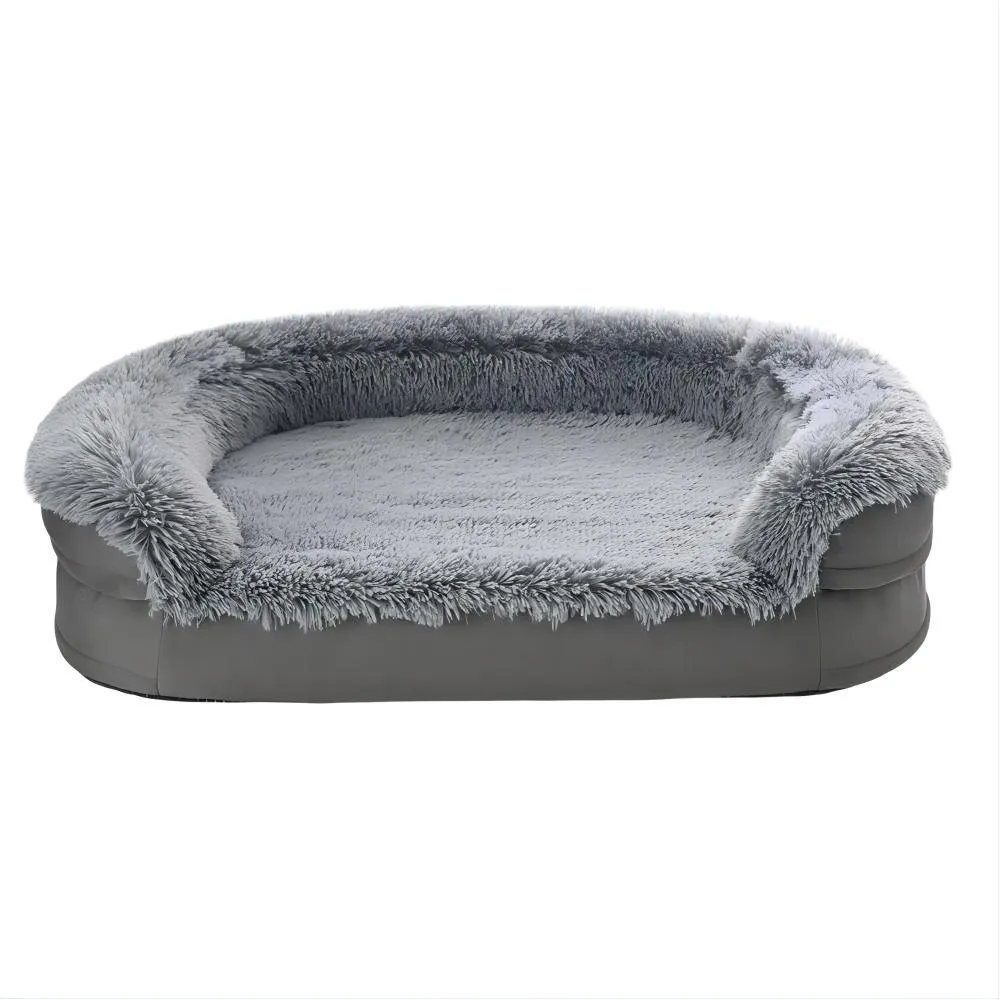
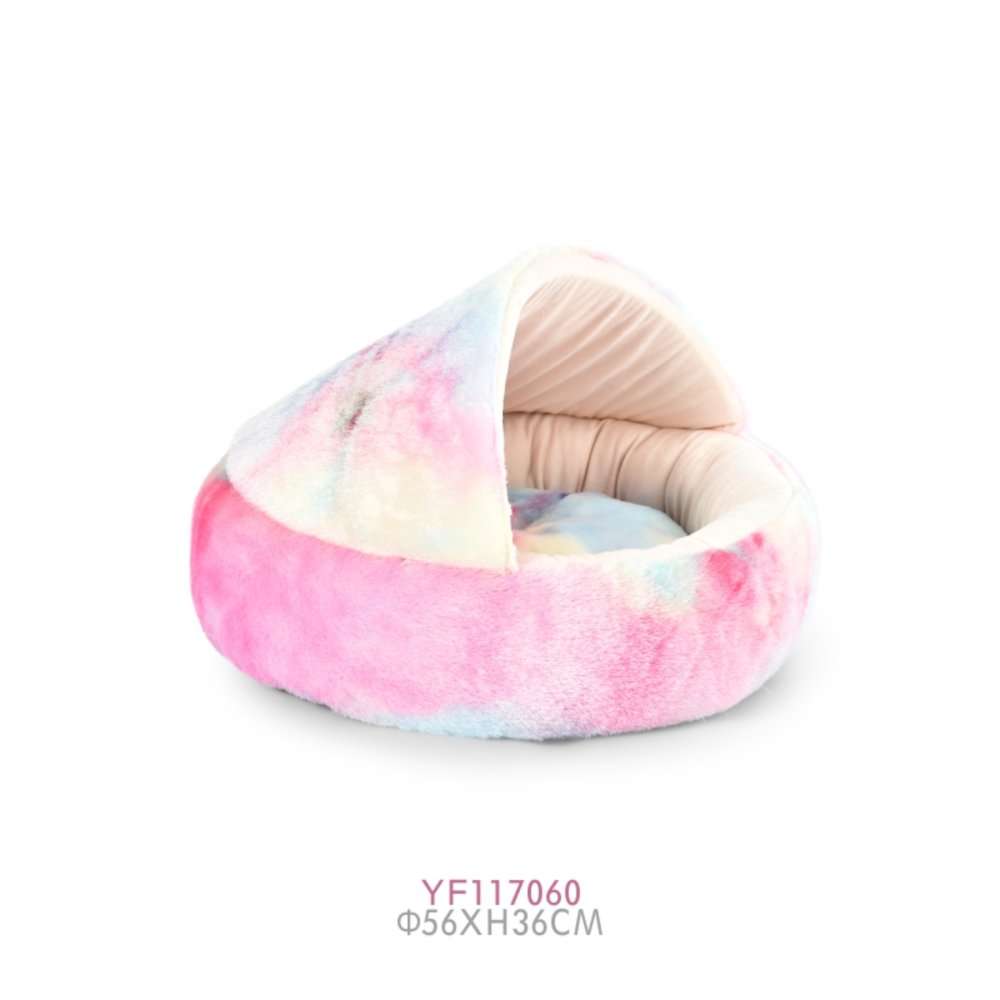
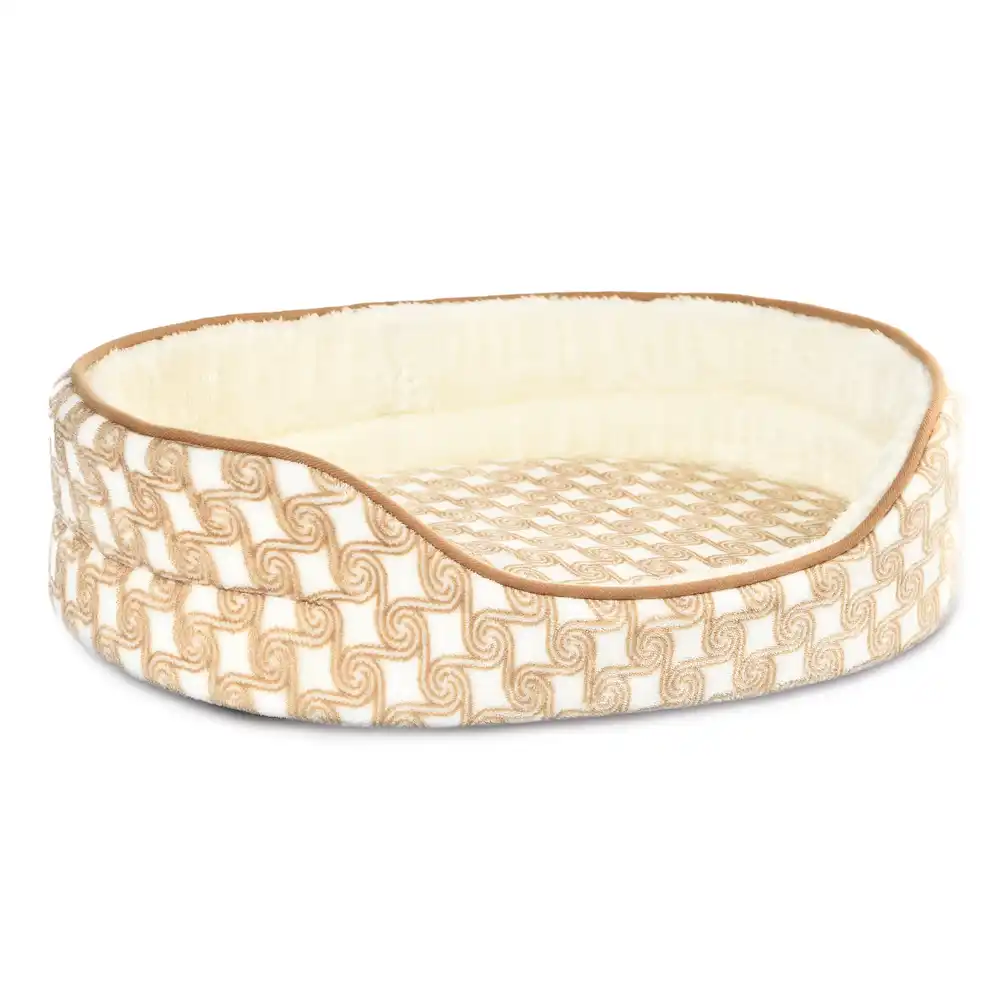
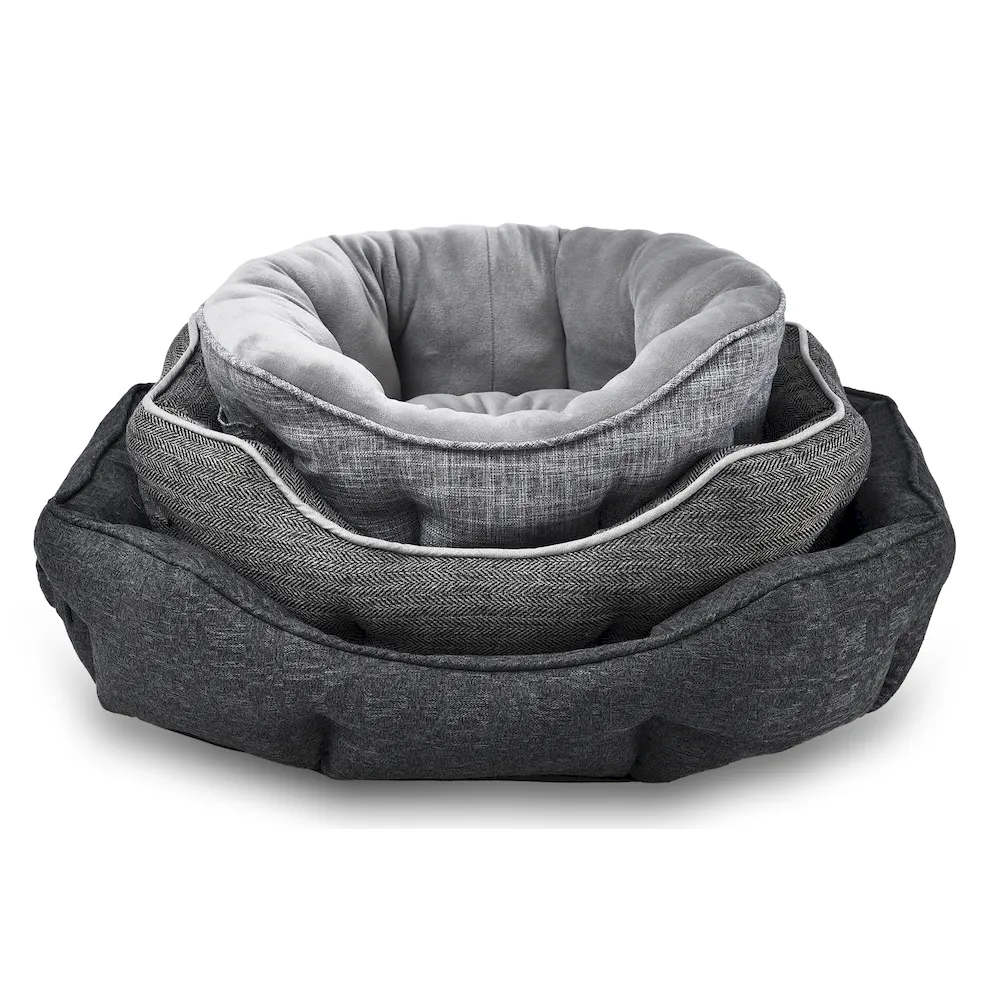
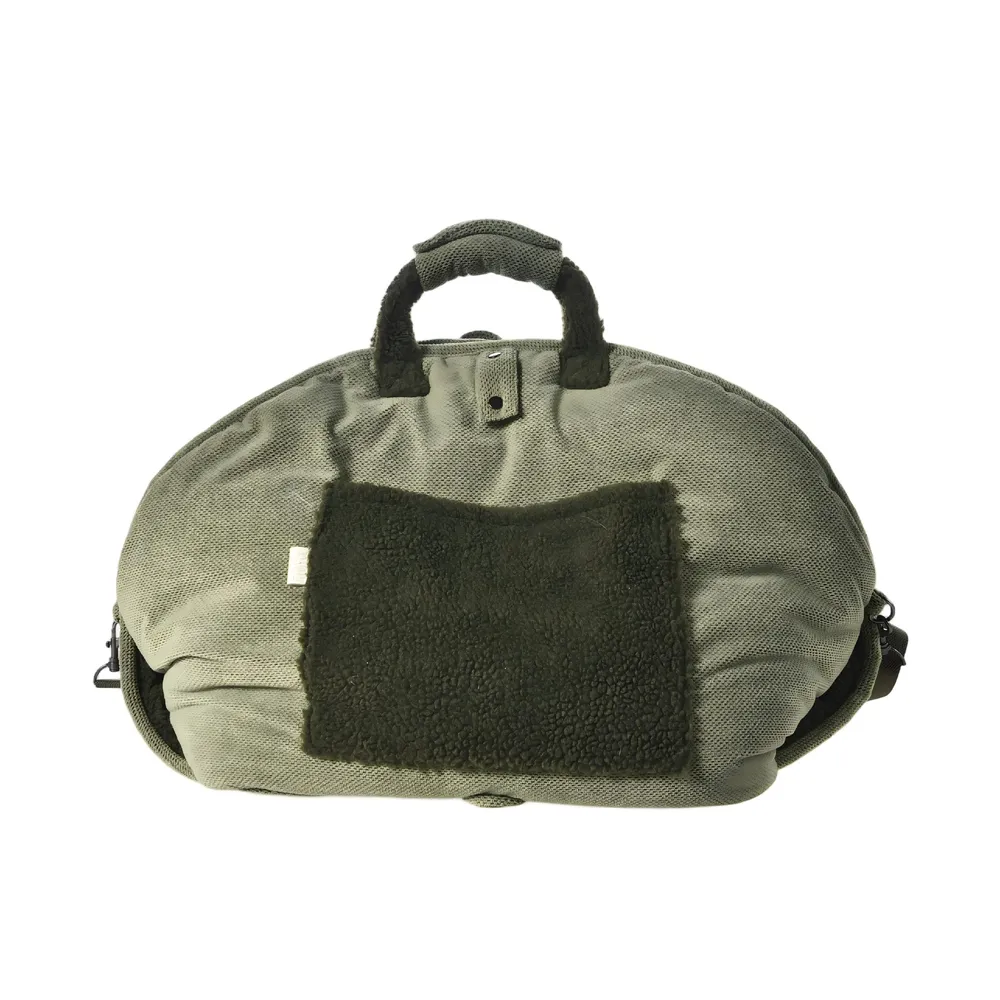
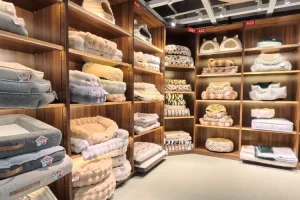
Sustainability has moved from a niche trend to a mainstream purchasing requirement in the pet industry. Across Europe, North America, and other mature pet markets, retailers and consumers are paying closer attention to the materials used inside pet beds, pet blankets, pet carriers, and other pet products.
For manufacturers, importers, and private label brands, the question is no longer whether sustainable products matter. The real question is which materials offer the best balance between environmental performance, durability, product aesthetics, and commercial viability.
This guide reviews ten sustainable pet bed materials that are becoming increasingly important in 2026 and explains why many pet brands are incorporating multiple eco-friendly materials into their product portfolios.
Why Sustainable Materials Are Reshaping Pet Products
Several market forces are accelerating the adoption of sustainable pet beds.
- Growing consumer demand for environmentally responsible products.
- Retailer sustainability requirements.
- Expansion of recycled material certifications.
- European regulatory pressure on plastics and supply chains.
- Brand differentiation in highly competitive pet categories.
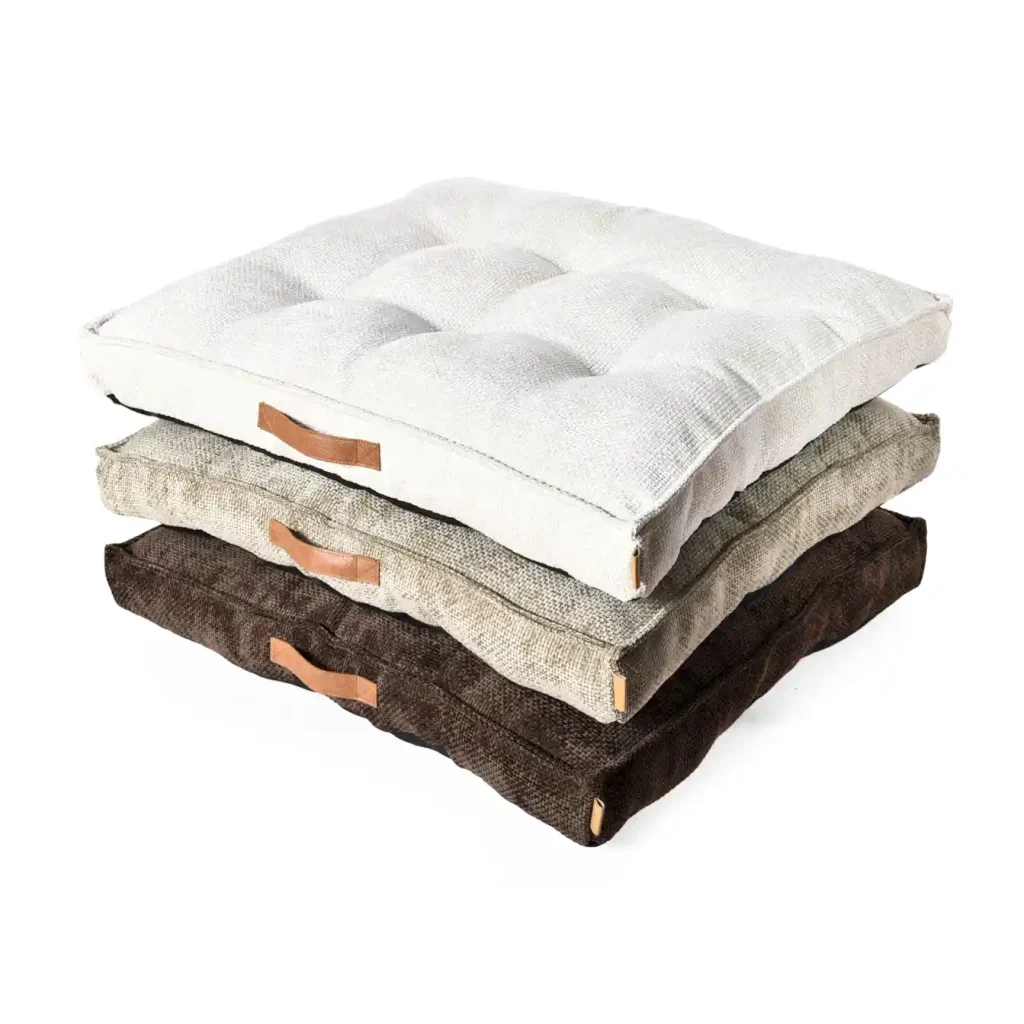
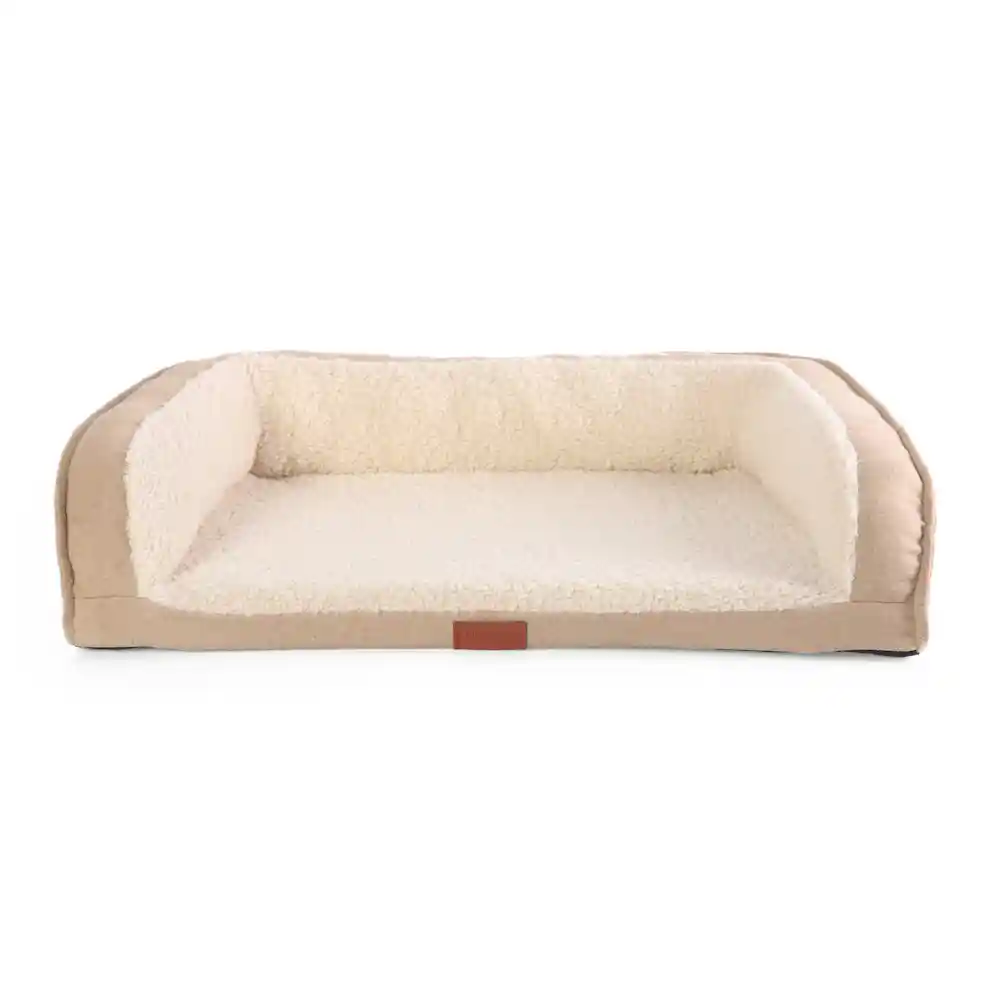
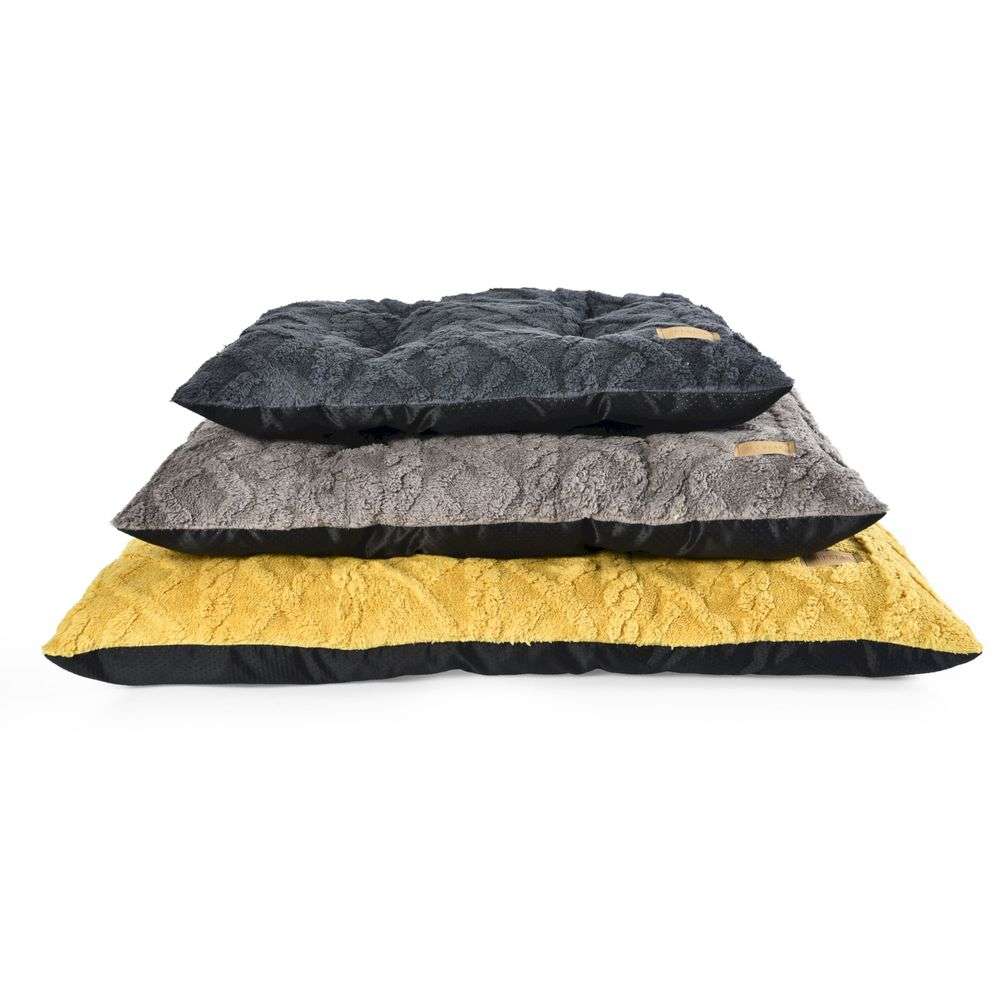
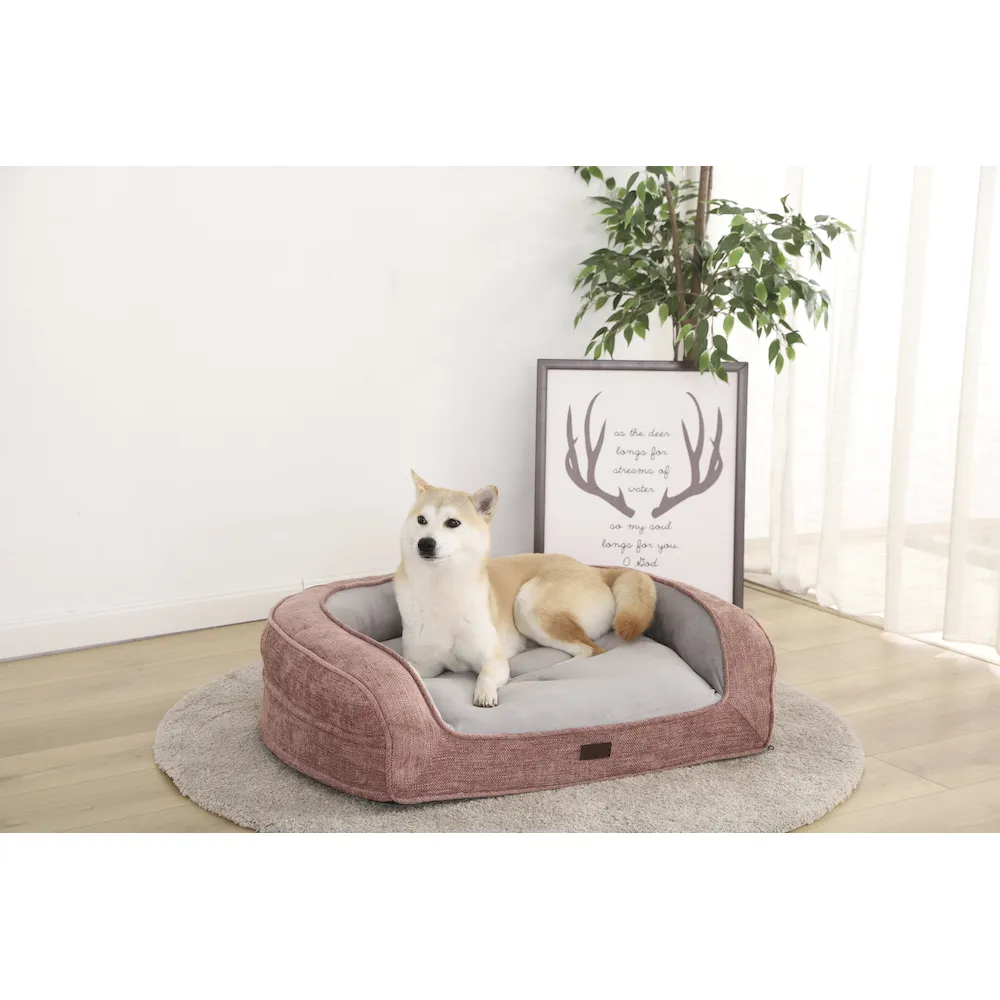
As a result, nachhaltige Betten für Haustiere are no longer limited to premium boutique brands. They are increasingly appearing across mainstream retail, e-commerce, specialty pet stores, and private label collections.
1. Recycled PET (RPET)
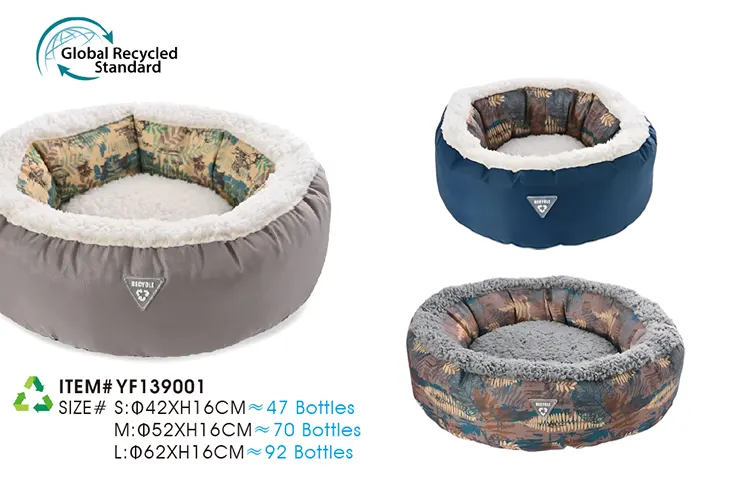
Recycled PET remains one of the most widely adopted sustainable materials in the pet industry.
RPET fibers are typically produced from post-consumer plastic bottles that are cleaned, processed, melted, and converted into new textile fibers. These fibers can be used in pet bed fabrics, filling materials, blankets, cushions, and travel accessories.
The popularity of RPET comes from its ability to combine sustainability with scalability. Large-volume production allows brands to introduce eco-friendly pet beds without significantly increasing retail prices.
Many dog beds made from recycled materials today rely on RPET fabrics and recycled filling systems. This makes RPET one of the most practical materials for brands entering the sustainable pet bedding category.
2. RPVB (Recycled Polyvinyl Butyral)
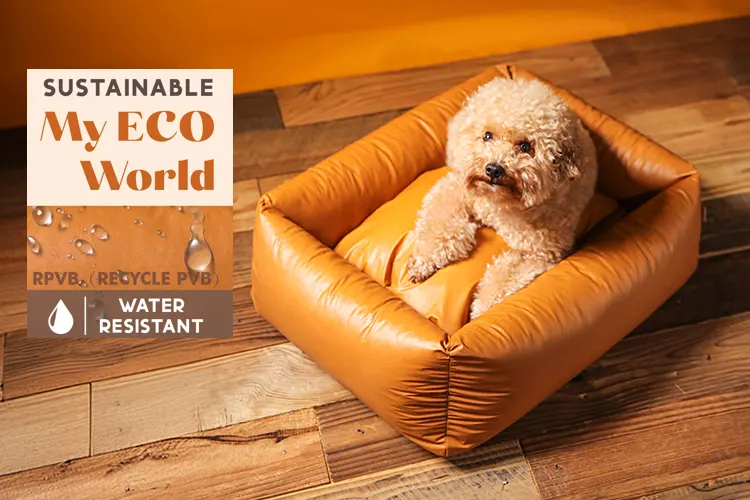
RPVB is one of the most innovative sustainable synthetic leather alternatives emerging in the pet industry.
Unlike traditional synthetic coatings, RPVB originates from recycled windshield interlayers recovered from automotive and laminated glass recycling streams.
After recycling, purification, resin generation, and manufacturing processes, RPVB can be transformed into durable leather-like materials suitable for pet products.
Its combination of water resistance, UV resistance, durability, and premium appearance makes RPVB increasingly attractive for pet carriers, pet cushions, and outdoor pet products.
Brands seeking alternatives to PVC are paying growing attention to RPVB because it provides strong functional performance while supporting sustainability initiatives.
For a deeper look at this material, see our guide on RPVB sustainable pet products.
3. Sorona® Bio-Based Fabric

Sorona® has become one of the fastest-growing bio-based materials in the textile industry.
Produced partially from renewable plant-based resources, Sorona offers a lower environmental footprint compared with many conventional synthetic fibers.
The material is increasingly used in sustainable dog beds, pet blankets, pet carriers, pet apparel, and pet cushions.
Beyond sustainability, Sorona delivers excellent softness, resilience, shape retention, and long-term comfort, making it particularly suitable for premium pet products.
Many luxury pet brands are incorporating bio-based fabrics such as Sorona into their product development strategies as consumer awareness of renewable materials continues to grow.
4. Organic Cotton
Organic cotton remains one of the most recognized sustainable textile materials worldwide.
Produced without synthetic pesticides and with stricter agricultural standards, organic cotton appeals strongly to environmentally conscious consumers.
Its natural softness makes it particularly suitable for pet cushions, lightweight beds, blankets, and indoor comfort products.
Although organic cotton may not offer the durability of certain technical fabrics, it continues to perform well in premium indoor pet collections.
5. Hemp Fabric
Hemp is gaining popularity because of its low environmental impact and strong natural durability.
Compared with many conventional crops, hemp generally requires less water and fewer agricultural inputs during cultivation.
Its naturally robust fibers make it suitable for pet beds designed for long-term use, especially in environmentally focused product collections.
6. Recycled Polyester
Recycled polyester extends the concept of circular textile production by transforming existing polyester waste into new textile applications.
Many manufacturers use recycled polyester fabrics in combination with recycled filling materials to improve both sustainability performance and product durability.
This material is commonly found in eco-friendly dog beds, pet carriers, and travel accessories.
7. Recycled Canvas
Recycled canvas provides a durable and visually distinctive option for brands targeting premium lifestyle markets.
Its sturdy construction works particularly well for pet beds with a furniture-inspired appearance, helping brands create products that blend into modern home interiors.
As home décor and pet products continue to converge, recycled canvas is becoming increasingly relevant for contemporary pet collections.
8. Cork Composite Materials
Although still emerging, cork-based composites are beginning to attract attention within sustainable product development.
Cork is renewable, lightweight, naturally water resistant, and visually distinctive. These characteristics make it an interesting material for accessories, trims, and specialty pet products.
While its use in mainstream pet beds remains limited, innovation in cork composites continues to expand.
9. Natural Latex
Natural latex is valued for its comfort, resilience, and pressure-relieving properties.
Because it is derived from natural rubber trees, latex is often associated with more sustainable bedding solutions when responsibly sourced.
In premium orthopedic pet beds, natural latex is increasingly being evaluated as an alternative to conventional foam systems.
10. Recycled Foam
Recycled foam helps reduce material waste while supporting circular manufacturing initiatives.
By reprocessing foam scraps into new bedding components, manufacturers can reduce landfill contributions and improve material efficiency.
Recycled foam is particularly common in pet mattresses, orthopedic cushions, and large-format bedding products where support and cost efficiency must be balanced.
How Pet Bed Buyers Choose Sustainable Materials in 2026
One important trend in the pet industry is that buyers are no longer looking for a single “best” sustainable material. Instead, retailers, importers, and private label brands are selecting different materials based on product positioning, target customers, and intended usage scenarios.
For example, Recycled PET (RPET) remains popular in mass-market pet beds because it combines sustainability with cost efficiency. RPVB is increasingly chosen for waterproof and travel-oriented products, while Sorona® is gaining attention in premium collections that emphasize comfort, softness, and renewable materials.
The result is a multi-material sourcing strategy where sustainable pet beds can serve different price points and consumer expectations while maintaining environmental credibility.
Which Sustainable Material Should You Choose?
| If You Need... | Recommended Material |
|---|---|
| Lowest Cost Sustainable Solution | RPET |
| Best Waterproof Performance | RPVB |
| Premium Brand Positioning | Sorona® |
| GRS Certified Material | RPET / Sorona® / RPVB |
| Luxury Sustainable Collection | Sorona® |
| Outdoor Pet Products | RPVB |
Which Materials Are Growing Fastest?
Based on supplier discussions, retailer requirements, and product launches observed across the worldwide pet industry, three material categories appear to be growing particularly quickly:
- Recycled PET (RPET)
- RPVB sustainable synthetic leather
- Sorona® bio-based fabrics
These materials align with current market priorities including sustainability, traceability, product performance, and long-term regulatory compliance.
Rather than relying on a single solution, many brands are adopting a multi-material strategy that combines recycled, renewable, and bio-based materials to meet different consumer preferences and price points.
Fazit
The future of sustainable pet beds will not be defined by one material alone.
Instead, the industry is moving toward a diversified ecosystem of recycled, renewable, and bio-based materials that help brands balance environmental responsibility, product performance, and commercial scalability.
For pet brands, wholesalers, retailers, and importers, understanding these materials is becoming an essential part of product development and sourcing strategy in 2026 and beyond.