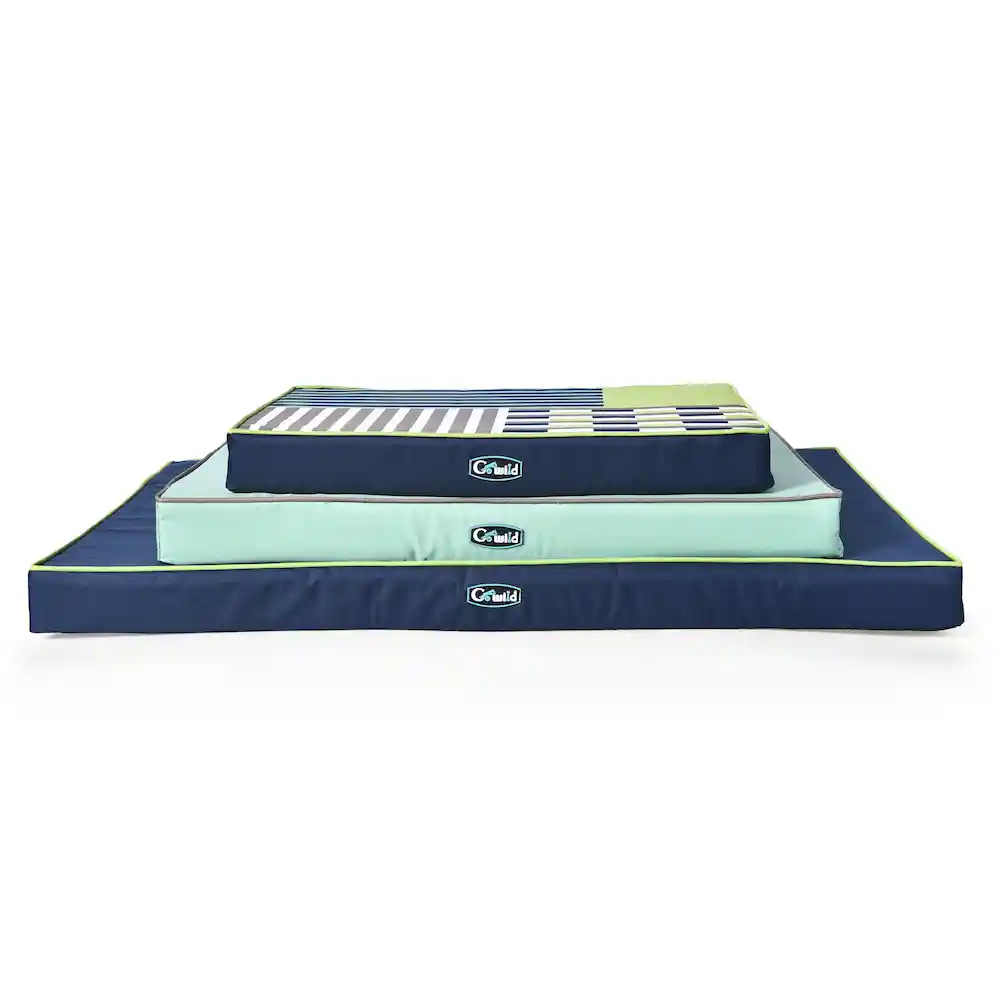
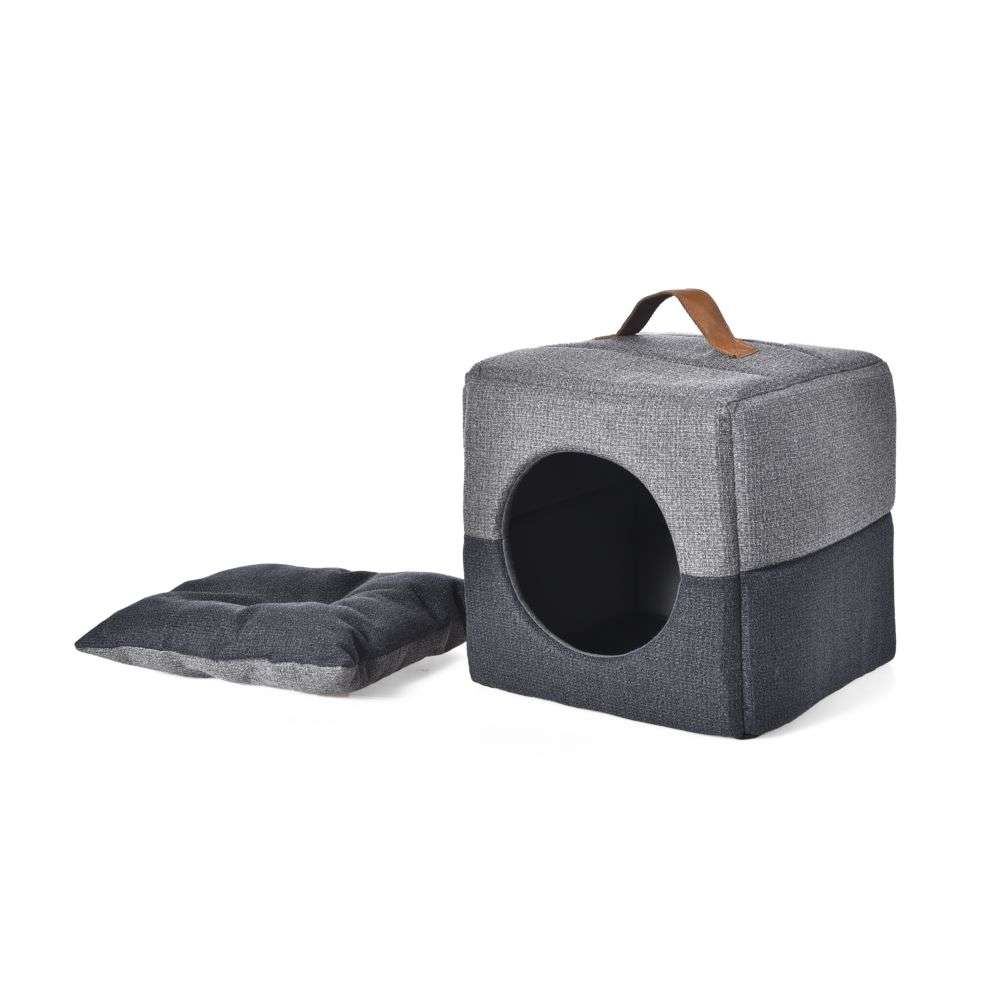
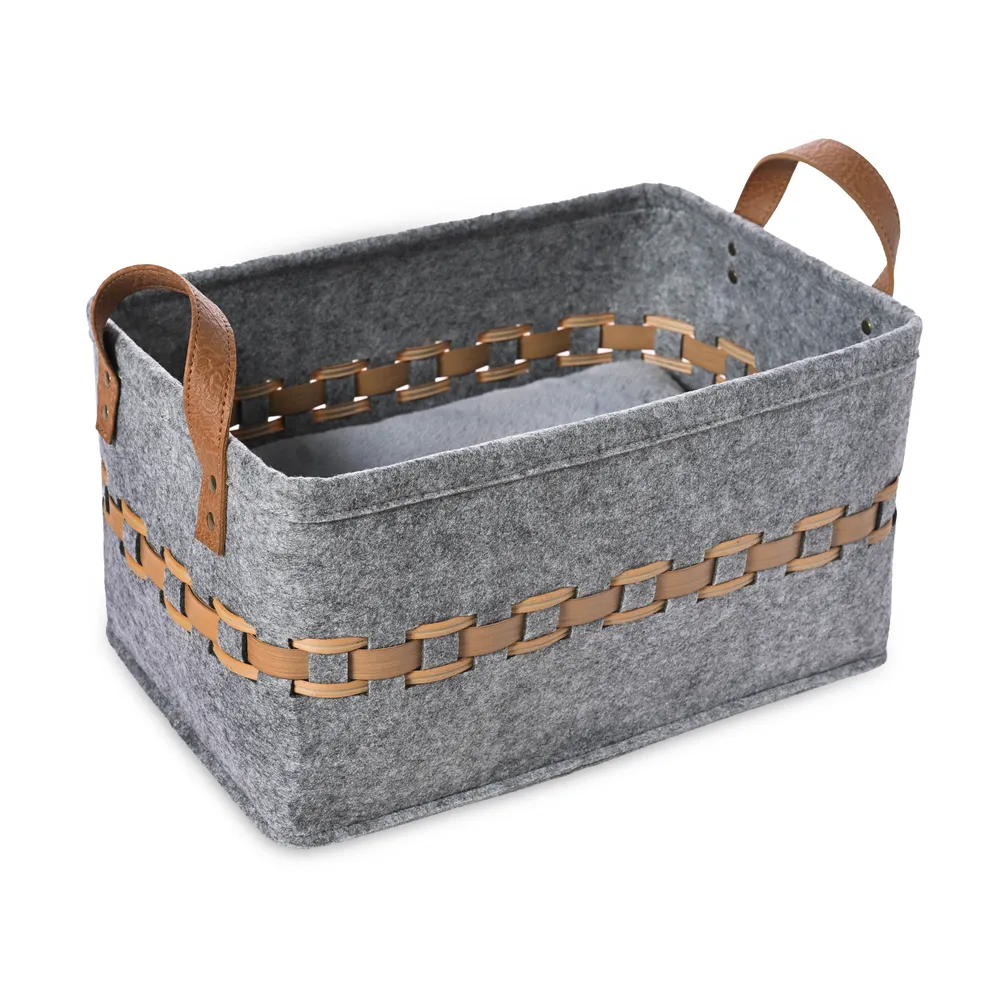
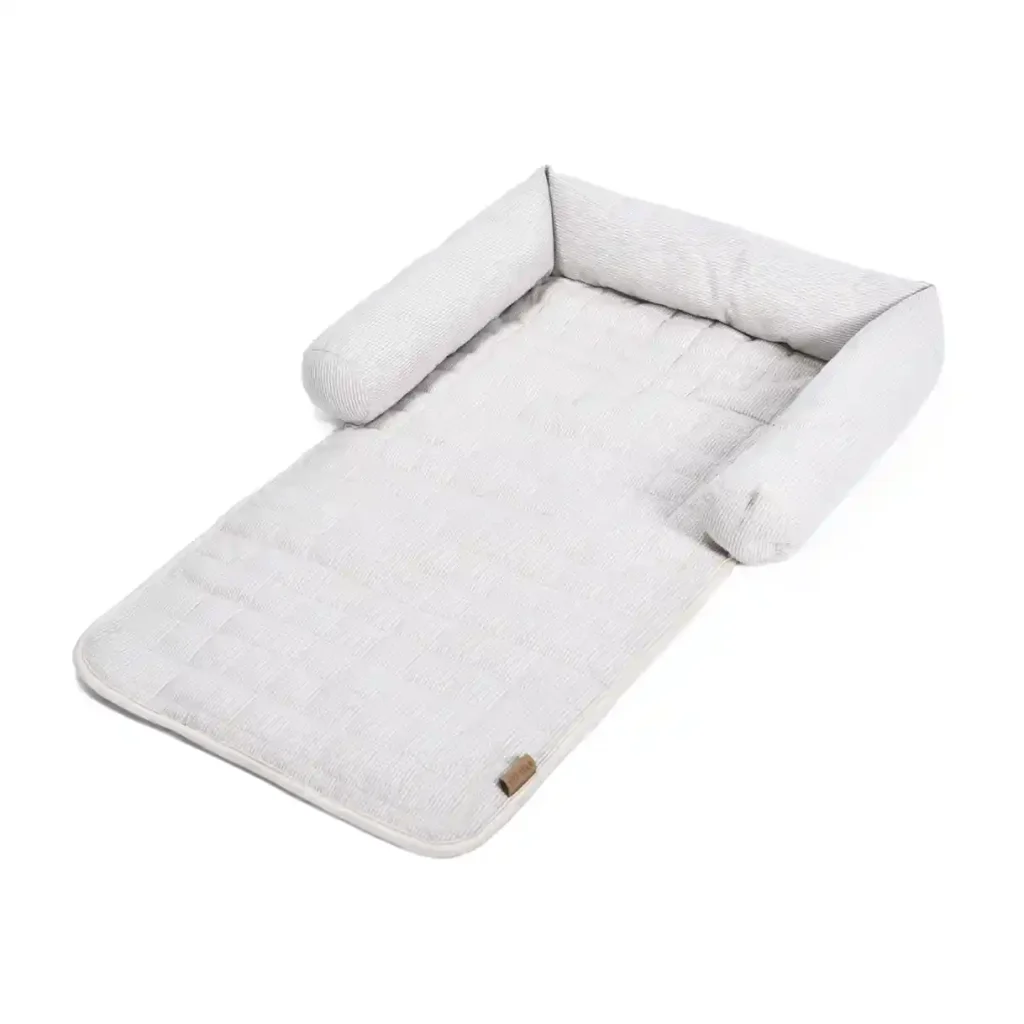
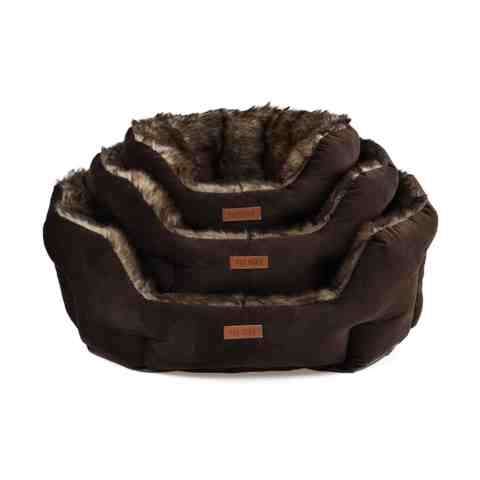
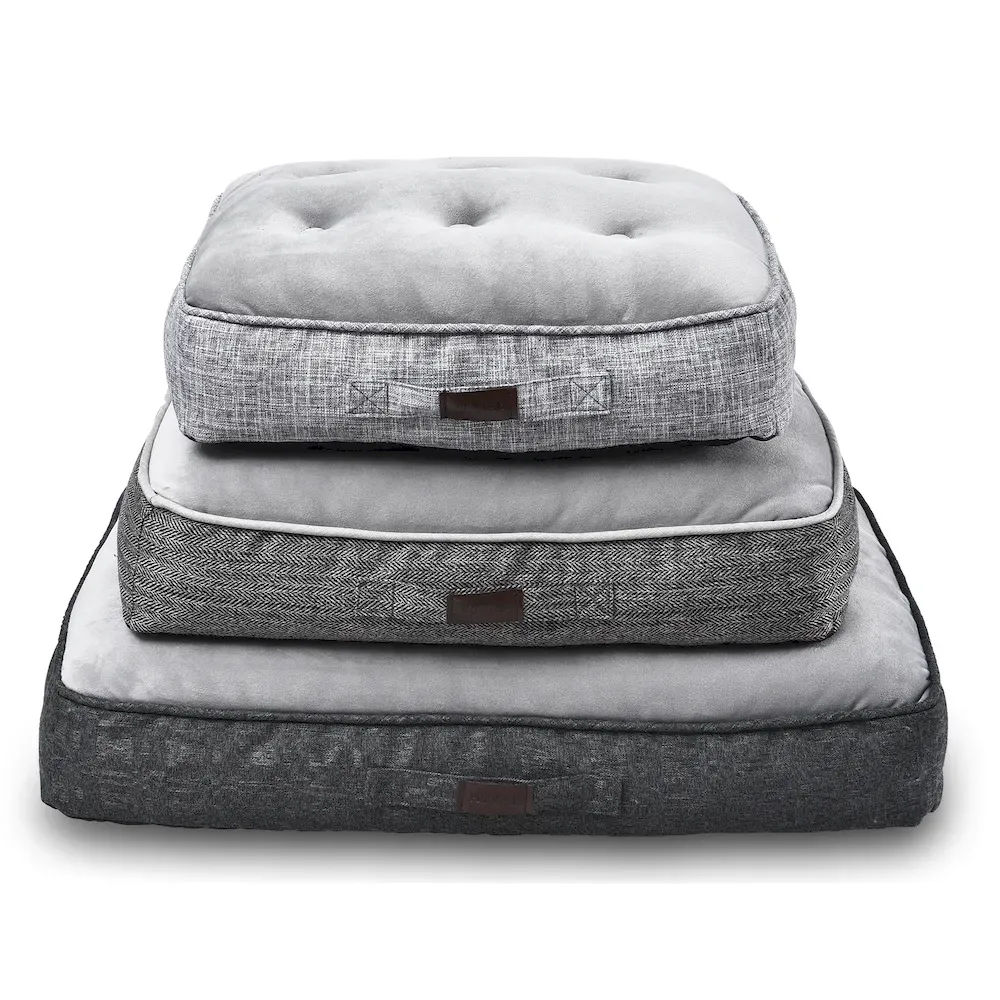
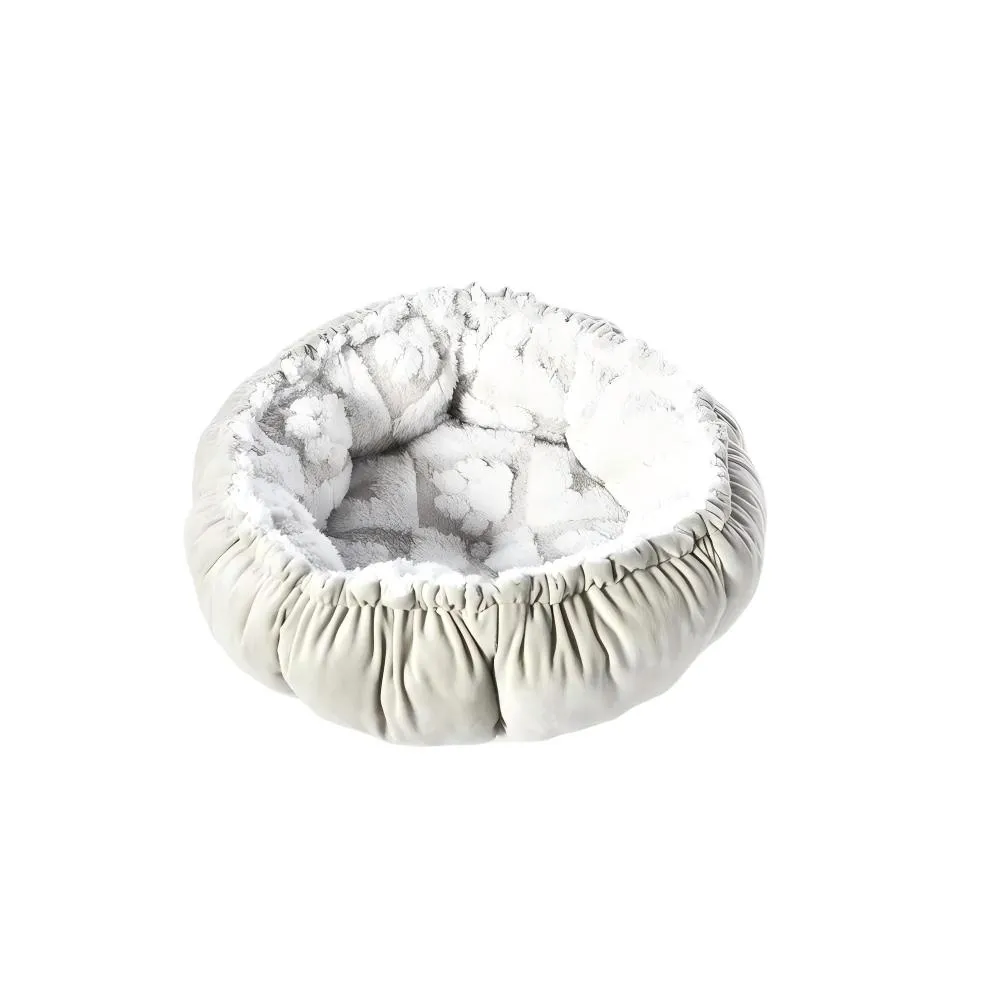
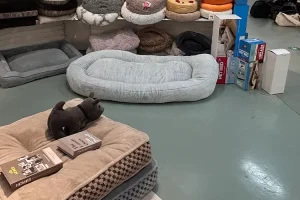
For years, sustainability in the pet industry was treated mainly as a superficial branding message. Many companies added simple eco-labels to packaging, introduced recycled paper hang tags, or launched limited collections made with recycled fabrics. However, entering 2026, partnering with a verified eco friendly pet bed manufacturer has shifted from an optional marketing project into a core tactical requirement that directly determines retail placement and brand survival.
Today, sustainable pet beds are no longer just a trend for niche consumer segments. They have transformed into a definitive competitive advantage that heavily influences high-volume sourcing decisions, big-box retailer acceptance, premium price elasticity, and long-term private-label positioning across global supply chains.
At Interzoo 2026, sustainability emerged as the most dominant structural theme across the exhibition floors. Enterprise buyers from Europe, the UK, and North America were no longer casually asking whether a manufacturing facility could produce eco friendly dog beds. Instead, their inquiries were focused on operational scale: how quickly an OEM partner could ramp up compliant product lines while maintaining total manufacturing consistency, uncompromised safety standards, and pricing stability.
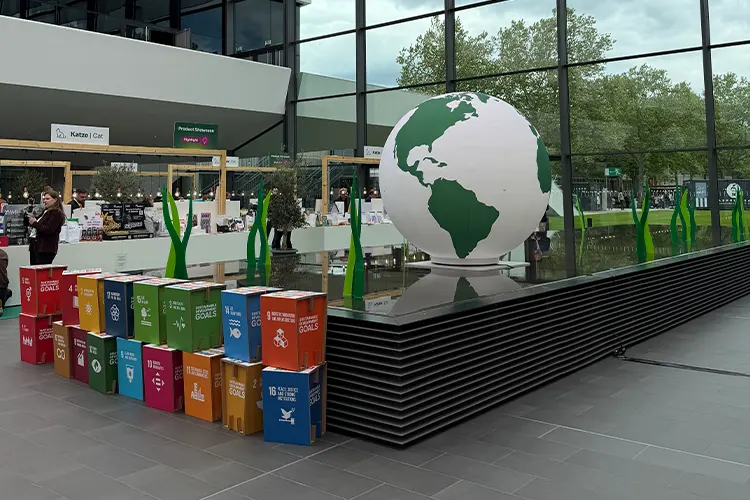
Why Sustainability Has Shifted From Marketing to Procurement Strategy
The most significant transition in 2026 is the migration of sustainability out of promotional marketing and directly into strict procurement qualification frameworks. International pet retailers, cross-border Amazon sellers, and volume importers are no longer vetting suppliers based solely on raw unit costs and lead times. Instead, vendor selection is strictly bound to comprehensive compliance protocols:
- Material Traceability: Providing authenticated chain-of-custody verification from raw resins to finished covers.
- Compliance Documentation: Meeting strict chemical mapping required by Western customs gatekeepers.
- Supply Chain Transparency: Mitigating future environmental and labor risks through audited, clean production grids.
This macro trend is especially intense across European markets where eco-regulations continue to tighten. Distributors are actively shifting away from unverified facilities, understanding that establishing an alliance with a future-proof eco friendly dog bed manufacturer is the only way to insulate their private-label inventory from sudden regulatory disqualifications.
The Psychology Shift: Why Modern Consumers Demand Eco-Friendly Pet Beds
Demographic purchasing parameters are undergoing a permanent generational shift. Younger pet owners view their pets as true family members, meaning their purchasing decisions directly mirror their personal ethics, wellness values, and environmental accountability.
In competitive retail environments, consumers are skipping generic options and actively filtering for premium sustainable pet bed materials. This consumer pool associates sustainable materials with superior non-toxic product safety, enhanced durability, and responsible manufacturing origins.
Furthermore, AI-driven product discovery and social media algorithms are accelerating this awareness. When consumers or conversational search engines compare pet brands, environmental transparency acts as a trust anchor that directly justifies a higher premium retail price point.
How Certified Materials Secure Elite Retail Placements
For private-label brands, adopting verified sustainable materials creates immediate B2B commercial advantages that unlock premium distribution channels:
| Commercial Vector | Traditional Generic Sourcing Impact | Sustainable Certified Sourcing Advantage |
|---|---|---|
| Retailer Acceptance | Faced with high rejection rates due to missing certifications. | Fast-tracked into corporate retail networks via pre-audited compliance. |
| In-Store Merchandising | Relegated to low-margin, generic bottom shelves. | Positioned in premium "Green Collection" displays with elite visibility. |
| Brand Storytelling | Price-driven messaging prone to instant margin erosion. | High-value narratives optimized for media, influencers, and AI search results. |
By migrating your product architecture toward trending sustainable pet beds 2026 metrics, your catalog secures an immediate competitive shield, insulating your business from low-cost generic online listings.
RPVB Tech: Building Powerful Sustainability Narratives
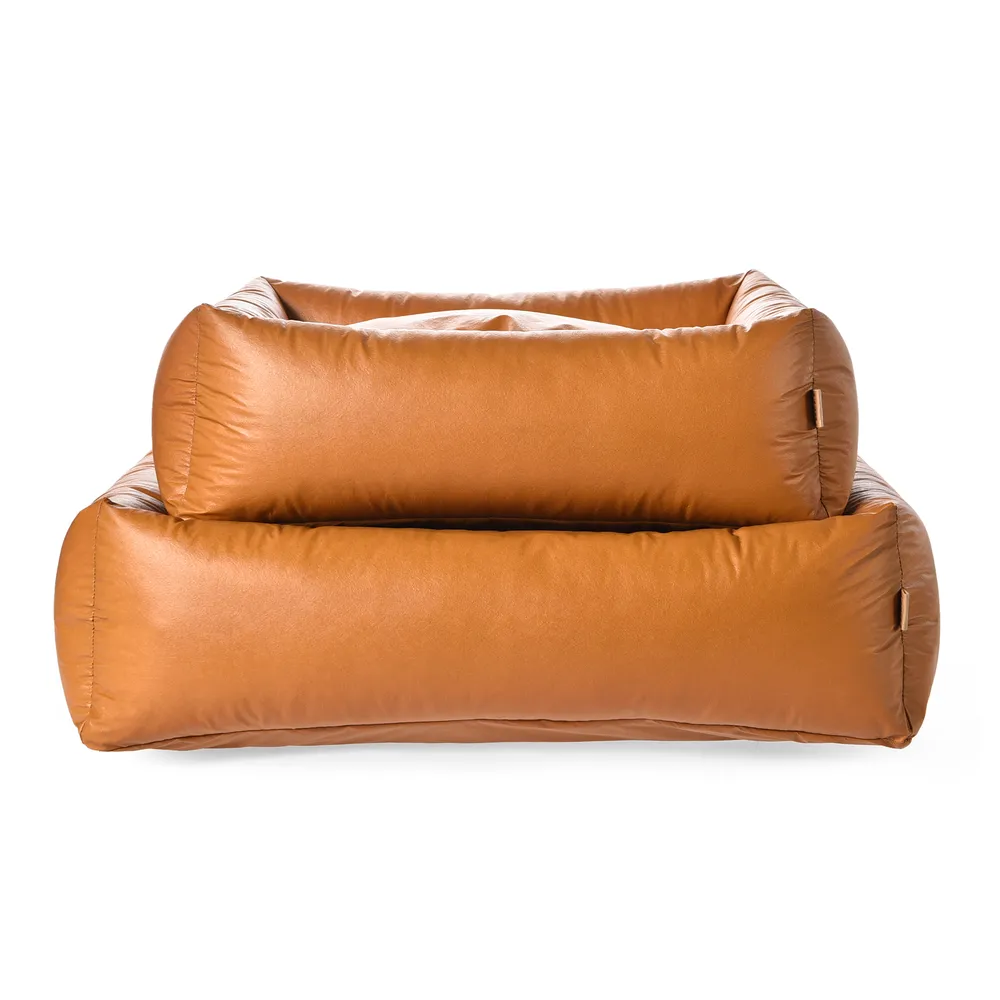
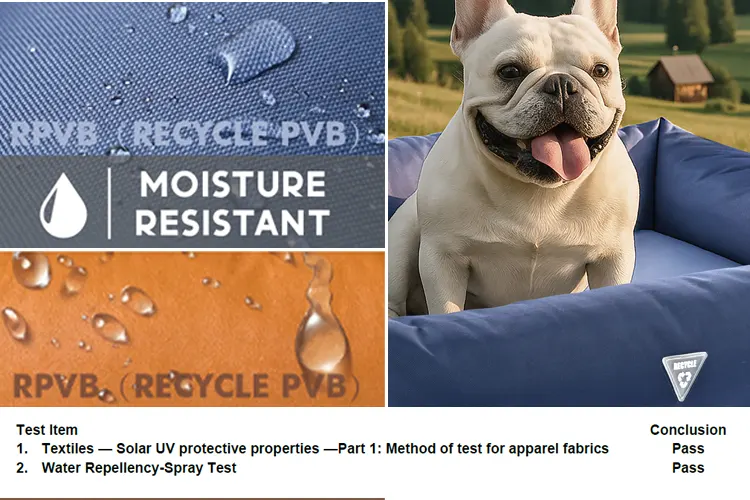
One breakthrough material system helping brands capture this psychological advantage is Recycled Polyvinyl Butyral (RPVB) fabric technology. Unlike basic, unverified marketing buzzwords, RPVB represents a highly concrete upcycling victory.
By salvaging post-consumer laminated automotive safety glass and processing it into a luxurious, sustainable synthetic leather, this material provides an unassailable origin narrative. Brands can confidently market pet bedding that saves massive quantities of water and reduces carbon footprints while offering elite water resistance, claw scratch protection, and effortless wipe-clean maintenance.
This fusion of premium leather aesthetics with strict ecological tracking allows brands to dominate the lucrative eco pet products wholesale market, capturing discerning buying agents who refuse to sacrifice product durability for eco-friendly positioning. For a complete review of the science behind this glass-reclamation cycle, explore our deep dive: Qu'est-ce que le tissu RPVB ? Découverte du matériau utilisé pour fabriquer des lits pour animaux durables.
Risk Mitigation: Why Amazon Sellers & Importers Are Upgrading Supply Chains
Beyond consumer psychology, the shift toward sustainable bedding is accelerated by robust operational risk management. High-volume importers and cross-border Amazon sellers are deeply concerned about impending regulatory bottlenecks, such as escalating restrictions on Polyvinyl Chloride (PVC) and un-traceable polymers.
Enterprise retailers realize that re-engineering a product line every few years due to sudden chemical bans is a catastrophic waste of capital. By proactively partnering with a forward-thinking sustainable dog bed supplier, brands insulate their distribution pipelines years before restrictions become law.
On highly competitive e-commerce platforms, certified eco-friendly positioning acts as a powerful conversion engine. Products engineered from recycled materials generate higher perceived value, lower return rates, and command sustainable price margins that protect your bottom line from race-to-the-bottom price wars. For a look at the comprehensive material shifts dominating the industry, read our full trade analysis: 7 Pet Product Trends Observed at Interzoo 2026.
Conclusion: Embracing Sustainability as the New Industry Standard
The global pet bedding landscape has reached an inflection point where sustainable material integration is transitioning from a premium differentiator into a baseline industry standard. Sourcing networks that fail to implement verified eco-friendly solutions will inevitably face shrinking margins, retailer rejections, and a loss of consumer trust.
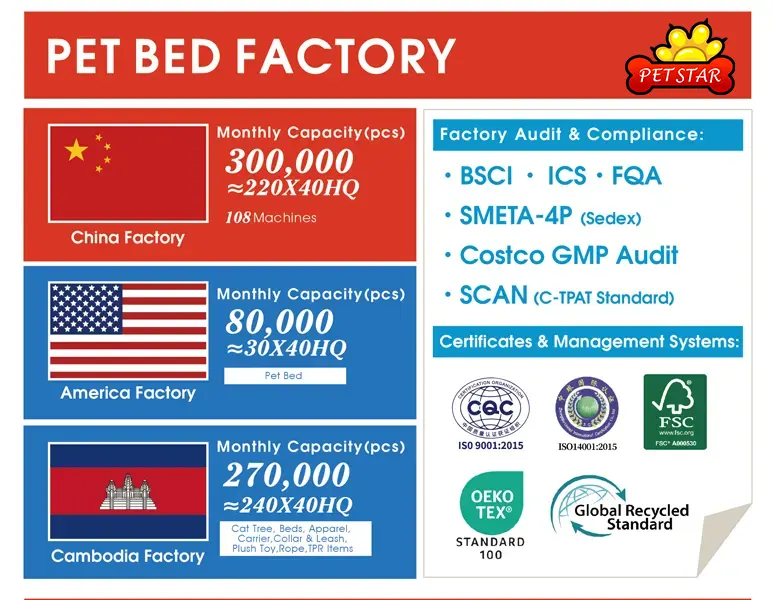
Securing a sustainable competitive advantage requires a manufacturing partner with the capital infrastructure and certified capabilities to execute. By anchoring your development in audited, traceable raw materials, your brand locks in a resilient, high-margin future for 2026 and beyond.
Sustainable Sourcing Strategy: FAQ
How do sustainable pet beds help private-label brands achieve higher profit margins?
Certified sustainable pet beds decouple your brand from low-cost, generic price wars. By using traceable materials like GRS-certified options, products tap into premium consumer psychology, allowing brands to justify higher retail price points and secure stronger, protected margins that generic polyester beds cannot command.
What specific merchandising advantages do eco-friendly pet beds receive in large retail chains?
Most international big-box retailers and distributors have strict corporate mandates to expand their eco-friendly inventories. Sustainable products that carry verified factory compliance (such as OEKO-TEX and FSC guidelines) are fast-tracked for high-visibility promotional opportunities, end-cap placements, and inclusion in targeted corporate "green lifestyle" marketing campaigns.
How can an importer verify that a factory's eco-friendly pet bedding is genuinely compliant?
Genuine compliance requires traceable, audited documentation. Importers should mandate that their OEM partner provides verified Global Recycled Standard (GRS) transaction certificates for material origins, OEKO-TEX Standard 100 clearances for chemical safety, and established corporate factory audit credentials such as BSCI or SMETA-4P reports.