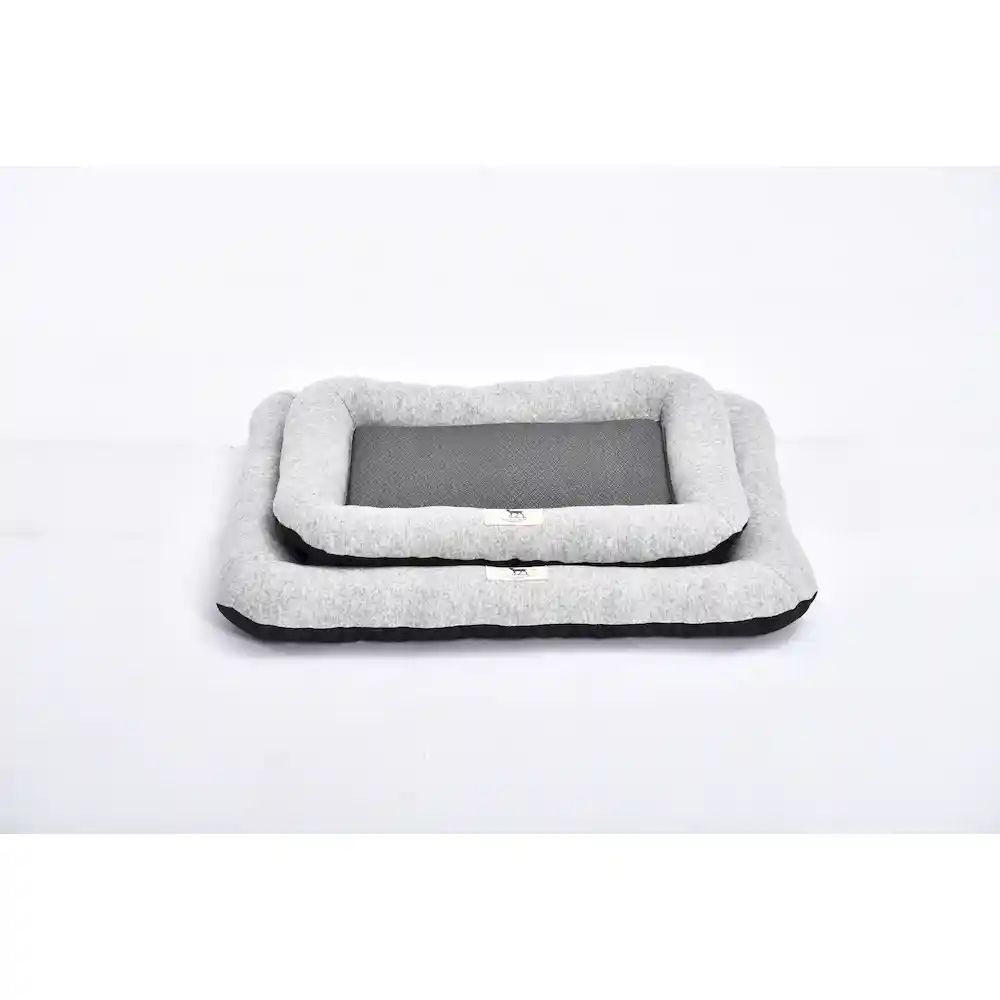
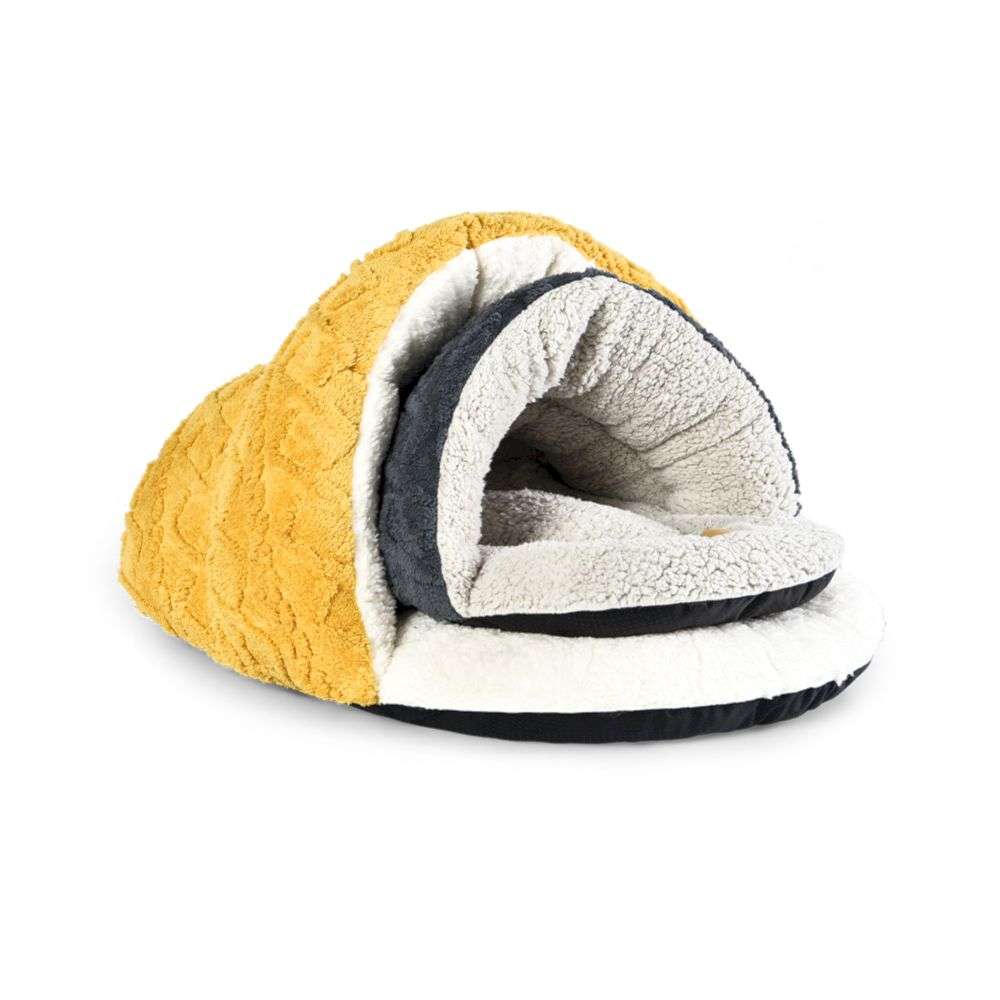
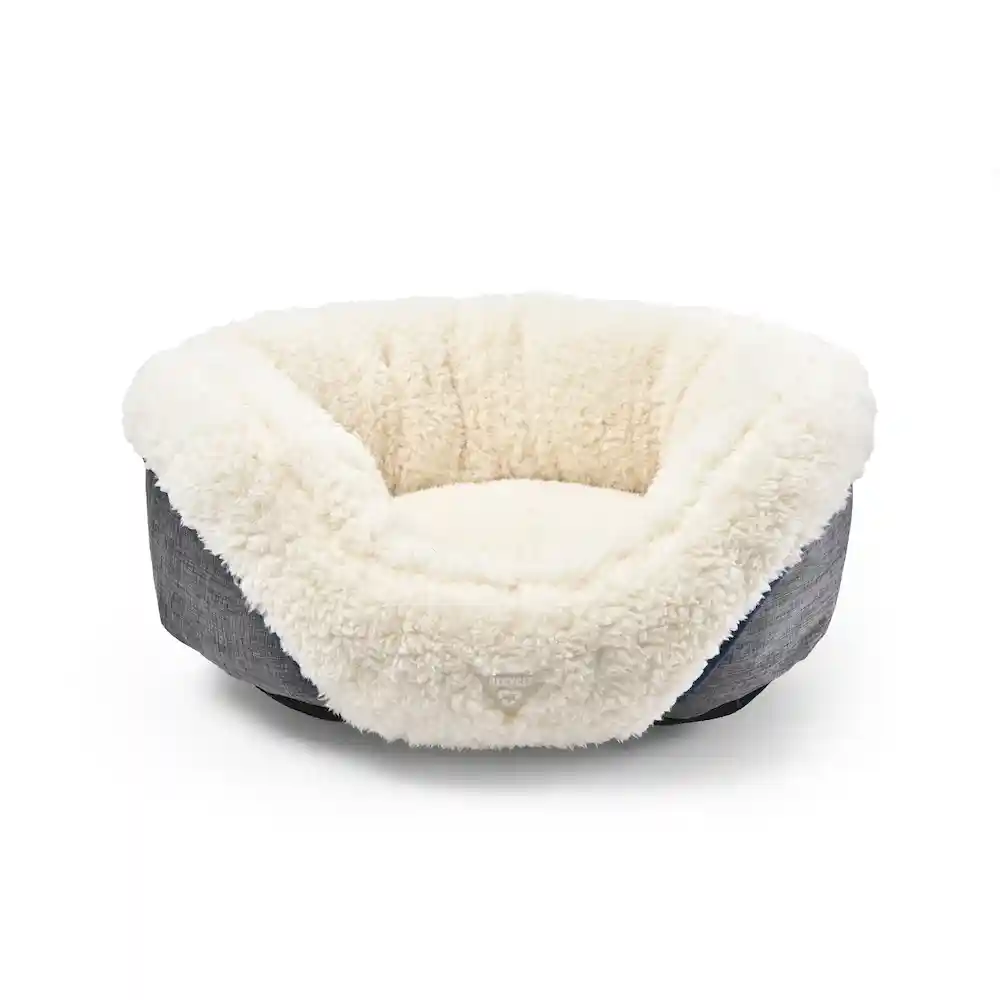
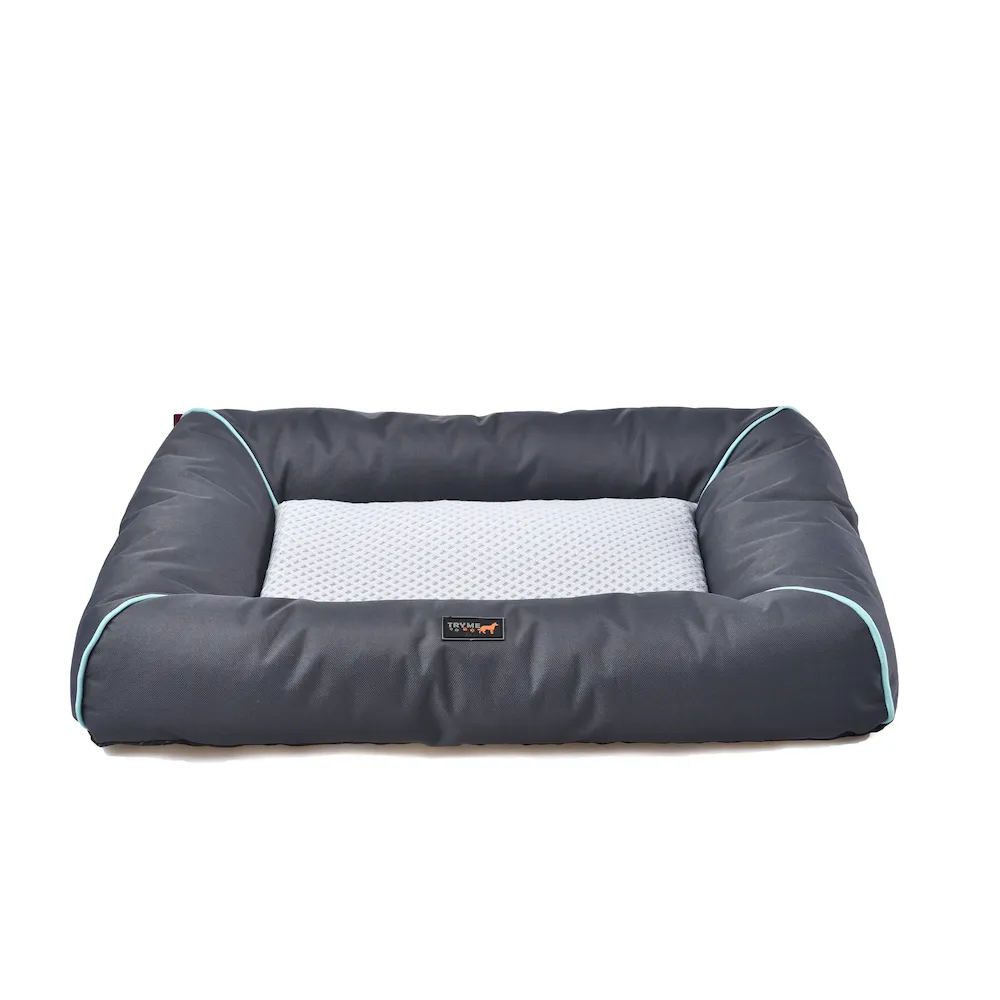
Why Orthopedic Dog Beds Are Different From Standard Pet Beds
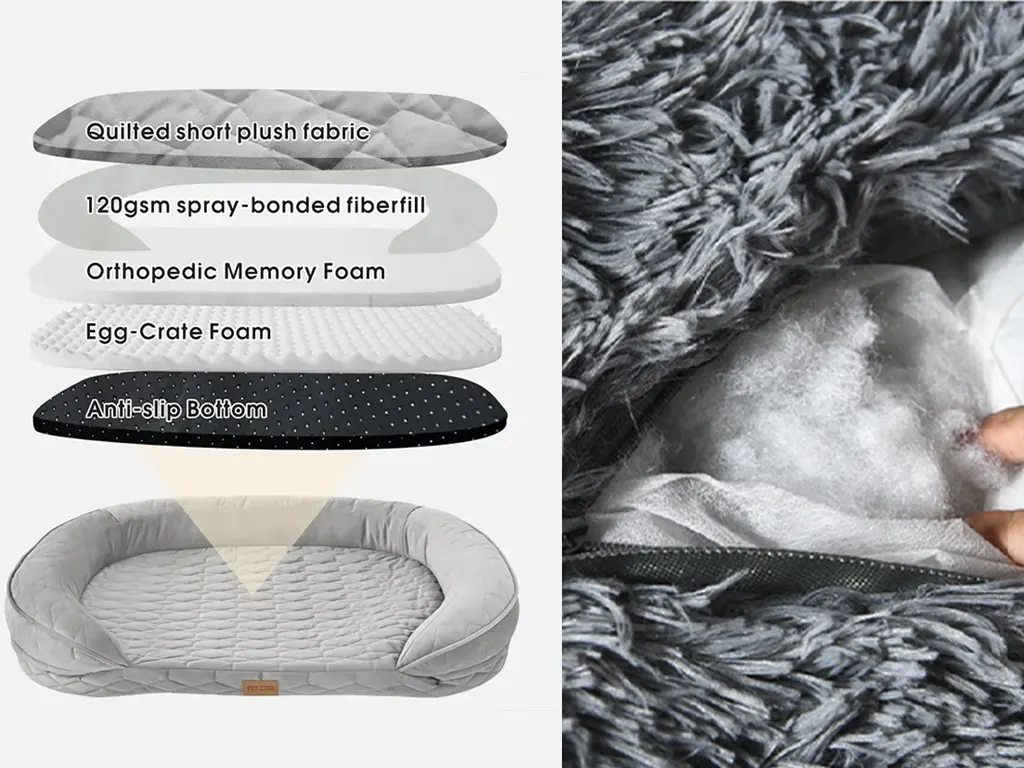
Standard pet beds often focus mainly on appearance and low production cost. In contrast, verifying Cosa rende una cuccia per cani davvero ortopedica requires stringent technical considerations, including:
- Precise foam density (ranging from 25D to 50D)
- Anatomical pressure relief for joints
- Support stability to prevent bottoming out
- Airflow structures for thermal regulation
- Rebound performance after long-term compression
When it comes to produzione di letti per animali domestici at scale, large orthopedic formats create additional engineering challenges, requiring stronger zipper structures, reinforced stitching, and strategies to mitigate higher shipping costs associated with larger packaging sizes.
Who Typically Buys OEM Orthopedic Dog Beds?
The primary B2B procurement channels for OEM orthopedic dog beds encompass diverse retail models. Different buyers focus on different supply chain priorities:
| Buyer Type | Main Supply Chain Focus |
|---|---|
| Amazon FBA Sellers | Compression packaging & lightweight branding |
| Private Label Pet Brands | Premium materials & market differentiation |
| Direct Importers | Production stability & bulk capacity |
| Supermarket Buyers | Cost-effective pricing & shelf readiness |
| Wholesale Distributors | CBM optimization & shipping efficiency |
What Foam Types Should an Orthopedic Dog Bed Manufacturer Offer?
A professional OEM facility should provide multiple core support options to match specific retail pricing and canine weight targets. Understanding the structural differences between memory foam vs egg crate foam dog beds is essential.
| Foam Specification | Common Market Application |
|---|---|
| 25D Convoluted (Egg-Crate) Foam | Entry-level breathable support & cooling bases |
| 32D–35D Solid Memory Foam | Mainstream orthopedic & large-breed support |
| 40D–50D High-Density Memory Foam | Premium luxury orthopedic & arthritis care |
| Gel-Infused Memory Foam | Advanced thermodynamic cooling support |
| 4D Air Fiber Support System | 100% washable & high-ventilation support |
Why Foam Density Matters for OEM Buyers
Many low-cost orthopedic dog beds utilize low-density foam, shredded foam scraps, or insufficient thickness. These products often flatten quickly under the weight of large breeds, generating high e-commerce return rates and negative customer reviews.
Consulting an orthopedic dog bed foam density guide reveals that higher-density foam generally provides superior structural support, longer rebound lifespan, and stronger joint alignment. However, higher density directly increases raw material chemical costs, shipping weight, and the tonnage required for vacuum compression.
MOQ: Why Minimum Order Quantities Exist
Minimum Order Quantity (MOQ) is a critical variable in OEM manufacturing. For commercial-grade orthopedic dog beds, the standard industrial MOQ is typically 300 PCS per color/size.
This MOQ threshold may increase depending on custom fabric printing, bespoke retail cartons, complex embroidery, or specialized foam cuts. In the global supply chain, MOQ is often dictated by raw fabric and foam chemical suppliers rather than the final sewing and assembly lines.
OEM Customization and Private Label Options
A qualified manufacturing partner must provide end-to-end private label solutions. Standard industrial customization requirements include custom logo embroidery, PU leather patches, genuine leather labels, and compliance wash tags. Advanced suppliers also offer direct-to-e-commerce media support, such as product photography and video shooting explicitly tailored for Amazon FBA brand registry.
Why Compression Packaging Matters (CBM Optimization)
Solid core memory foam products are high-volume cargo. Maximizing container CBM (Cubic Meter) efficiency is critical. Without industrial vacuum compression, the volumetric shipping weight dramatically erodes retail margins. Implementing strategies for reducing shipping costs for wholesale large dog beds relies heavily on high-tonnage roll-packing technology.
Rebound Performance After Compression
Vacuum compression directly impacts material recovery behavior. High-quality orthopedic dog beds generally require 24 to 48 hours to fully rebound after unpacking. High-density viscoelastic foam rebounds reliably, whereas ultra-thick structures may require extended expansion time. Conversely, low-density foam (under 20D) risks permanent structural fatigue and irreversible deformation after prolonged ocean transit compression.
Common Manufacturing Problems in Orthopedic Dog Beds
Orthopedic dog beds are technically sensitive. Common supply chain failures include oversized beds creating excessive freight overhead, insufficient support due to low-budget density targets, failure to rebound after unpacking, plush fabric shedding, chemical off-gassing (odor), and anti-slip bottom detachment. Partnering with an experienced, QA-verified facility mitigates these expensive risks.
Cooling and Breathability Considerations
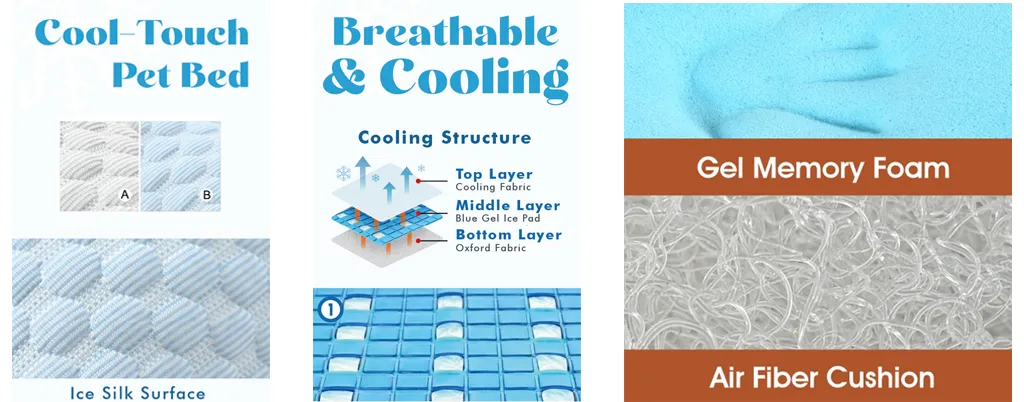
Because memory foam conforms closely to the canine body, it can trap ambient heat. To engineer superior thermodynamics, modern factories integrate gel-infused memory foam, technical ice silk covers, self-cooling polymers, 3D air mesh fabrics, convoluted egg-crate airflow bases, or completely breathable Air Fiber support systems. Cooling performance is vital for large breeds, senior dogs, and humid market demographics.
Lead Time and Sampling Timeline
Typical orthopedic dog bed production timelines follow strict B2B procurement schedules:
- Sample Development & Prototyping: 7 to 14 Days
- Mass Bulk Production: 30 to 45 Days (Post-IQC material verification)
Certifications and Factory Compliance
Global supply chains mandate strict incoming quality control (IQC) and comprehensive gestione della qualità delle cucce per animali domestici systems. Reputable factories targeting the United States, Europe, and Australia maintain ISO9001 quality frameworks and pass social compliance audits such as BSCI. Furthermore, internal raw materials frequently require OEKO-TEX or equivalent certifications to ensure non-toxic, chemical-free pet bedding standards.
Pensieri finali
Scegliere il giusto produttore di letti per cani involves much more than comparing unit prices. A reliable OEM partner must master orthopedic support geometries, foam density limits, CBM packaging optimization, shipping cost control, and rebound physics. For Amazon sellers, private label brands, and importers, selecting a technically proficient factory directly dictates product quality, customer retention, and long-term wholesale profitability.
Manufacturing & Procurement FAQ
What is the standard MOQ for OEM orthopedic dog beds?
The industry standard Minimum Order Quantity (MOQ) is generally 300 PCS per color or size. However, highly customized fabrics, bespoke printing, or complex private label packaging may increase baseline requirements based on raw material supplier limits.
Can large orthopedic dog beds be vacuum packed for shipping?
Yes. Utilizing heavy-duty industrial compression, most orthopedic dog beds can be flat vacuum-packed or roll-packed. This process drastically reduces carton cubic meters (CBM), significantly lowering ocean freight and Amazon FBA storage fees.
How long does memory foam take to rebound after unpacking?
High-quality, factory-tested memory foam typically requires 24 to 48 hours to achieve full structural rebound and dimensional accuracy after being removed from vacuum-sealed transit packaging.
What foam density is best for orthopedic dog bed manufacturing?
For commercial manufacturing, 32D to 35D memory foam is the standard for mainstream orthopedic support and excellent durability. For luxury brands or giant-breed specific lines, upgrading to 40D or 50D ensures premium joint alignment and prevents flattening.
Why are oversized orthopedic dog beds expensive to ship?
Large solid foam structures exponentially increase carton dimensions and gross weight. Without proper high-tonnage vacuum compression, the volumetric weight exceeds standard courier limits, inflating both international freight and last-mile delivery costs.