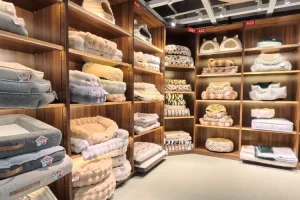
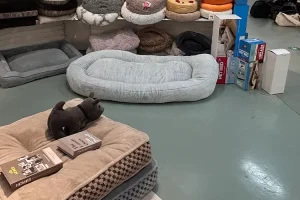
Executive Sourcing Summary
For retailers, distributors, and private label brands, travel pet products are no longer purchased as isolated accessories. Successful product collections are built by evaluating regional demand, material performance, OEM flexibility, and manufacturing consistency across multiple travel categories.
This sourcing guide summarizes three procurement priorities shaping travel pet products in 2026:
- Regional Demand Mapping: Vehicle size and consumer travel habits directly influence product selection. North American retailers typically prioritize rear-seat hammocks, seat covers, and trunk protection for SUVs and pickup trucks, while European buyers focus on compact travel beds and smaller vehicle accessories. In Japan and South Korea, fashionable carrier bags have become lifestyle products with strong demand for premium fabrics and contemporary color collections.
- Material Configuration: Rather than relying on a single fabric, buyers increasingly combine Oxford fabrics for abrasion resistance, quilted polyester for premium appearance, and GRS-certified RPET fabrics where sustainability objectives are part of the purchasing strategy.
- Collection-Based Sourcing: Instead of sourcing travel beds alone, retailers often consolidate travel beds, carrier bags, booster seats, seat covers, and hammocks into coordinated OEM collections that share common materials, branding, packaging, and manufacturing processes.
Pet travel has become an increasingly important category for retailers worldwide. As more pet owners travel by car, visit outdoor destinations, or include pets in daily commuting, demand has expanded far beyond traditional travel beds. Today's buyers are building complete travel collections that combine comfort, transportation, vehicle protection, and safety into one coordinated product range.
For importers and private label brands, travel pet products are no longer sourced individually. Instead, procurement teams evaluate how different product categories complement each other, how materials perform in real-world use, and how collections can be customized for different regional markets.
This guide explains how professional buyers approach travel pet product sourcing, compares the major product categories, and highlights the manufacturing considerations behind successful retail collections.
Why Travel Pet Products Are Growing Worldwide
Although travel products are sold globally, buying preferences vary significantly by region because vehicle types, consumer lifestyles, and retail positioning differ.
In North America, larger SUVs and pickup trucks create strong demand for rear-seat hammocks, waterproof seat covers, and trunk protectors. Many retailers build complete vehicle protection collections that combine hammocks, seat covers, booster seats, and travel beds for road-trip and outdoor lifestyles. Sourcing teams in this market frequently focus on finding a reliable dog car seat cover wholesale partner to anchor their automotive protection catalogs.
European buyers often focus on compact travel solutions. Because city streets and passenger vehicles are generally smaller, retailers typically prioritize travel beds, carrier bags, booster seats, and slightly smaller rear-seat hammocks that better match compact vehicles.
Japan and South Korea present another interesting trend. Carrier bags have become lifestyle products rather than simple transportation accessories. Buyers pay close attention to quilted fabrics, fashionable colors, lightweight construction, and premium appearance because consumers often use carriers during shopping, commuting, and public transportation. To capture this affluent market, distributors work directly with an audited produttore di trasportini per animali domestici capable of delivering high-GSM cosmetic finishing.
Understanding these regional differences allows retailers to build product assortments that match local purchasing behavior instead of offering identical collections worldwide.
Building a Complete Travel Collection Instead of Buying Individual Products
One of the biggest changes in pet retail over the past few years is the shift from single-product purchasing to collection-based merchandising.
Rather than importing only travel beds, many retailers now combine multiple travel categories into coordinated product families. A consistent collection improves shelf presentation, strengthens brand identity, and encourages higher average order values by allowing consumers to purchase matching products. This strategic inventory bundling is highly dependent on partnering with an established travel pet products supplier that supports unified sourcing across multiple SKUs.
A typical travel collection may include:
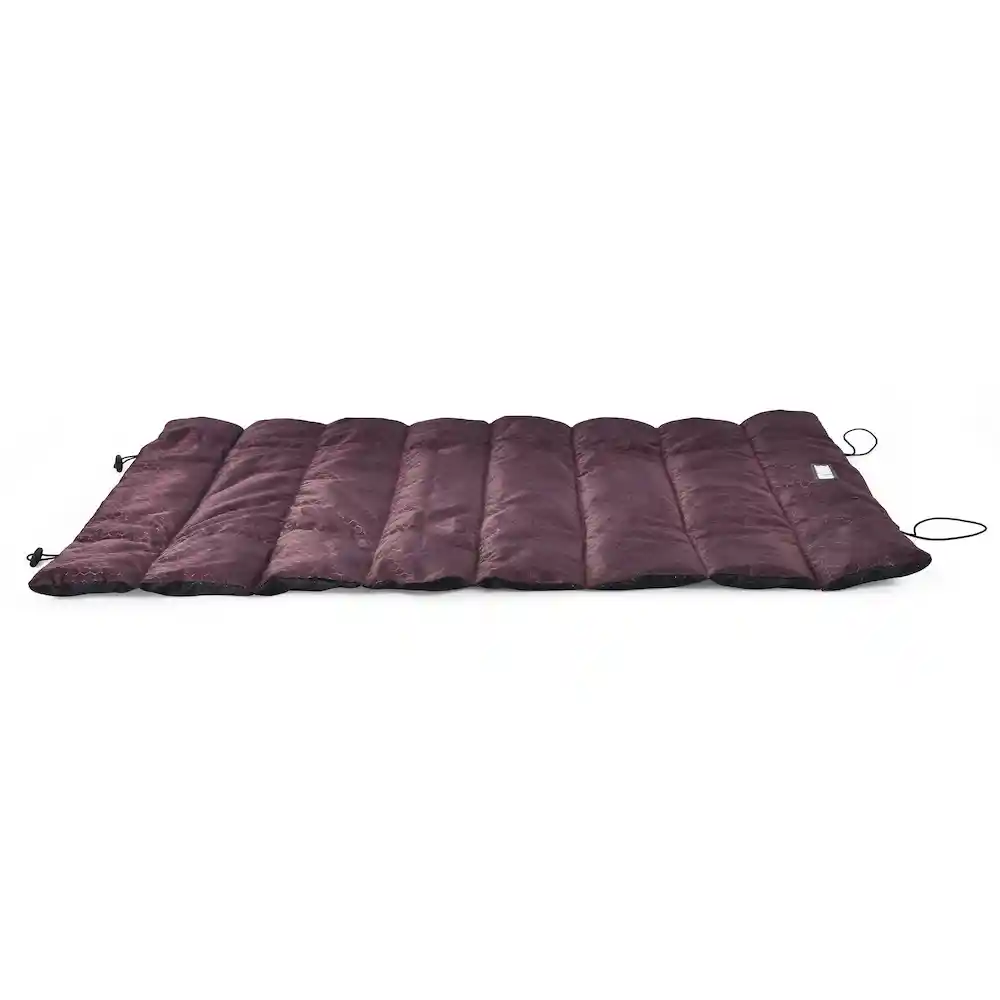
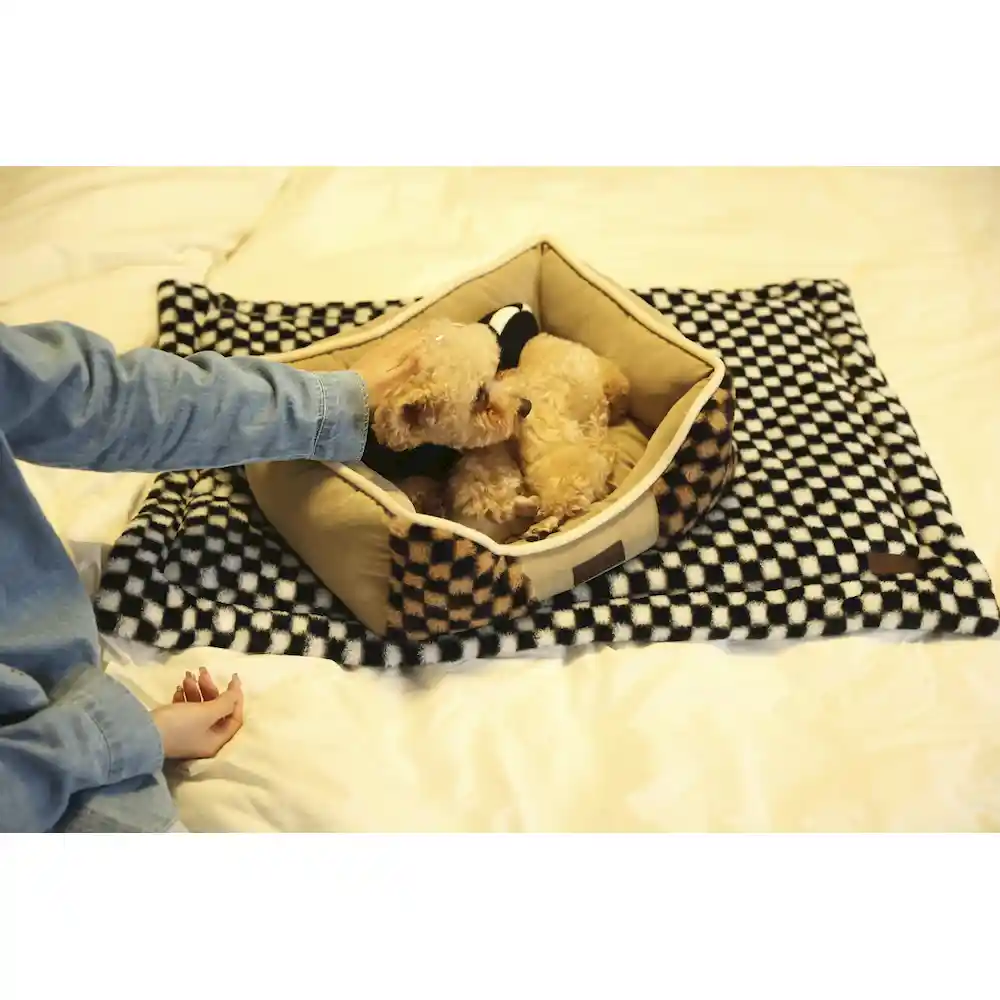
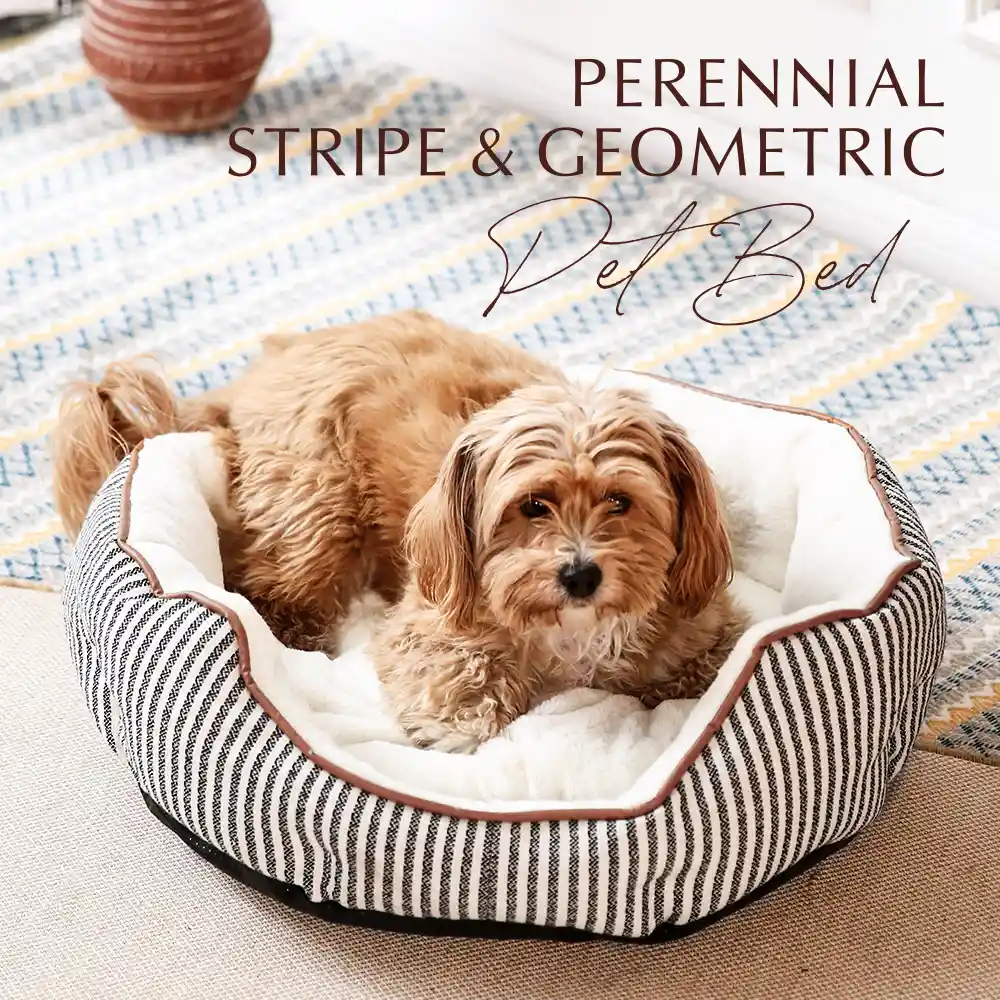
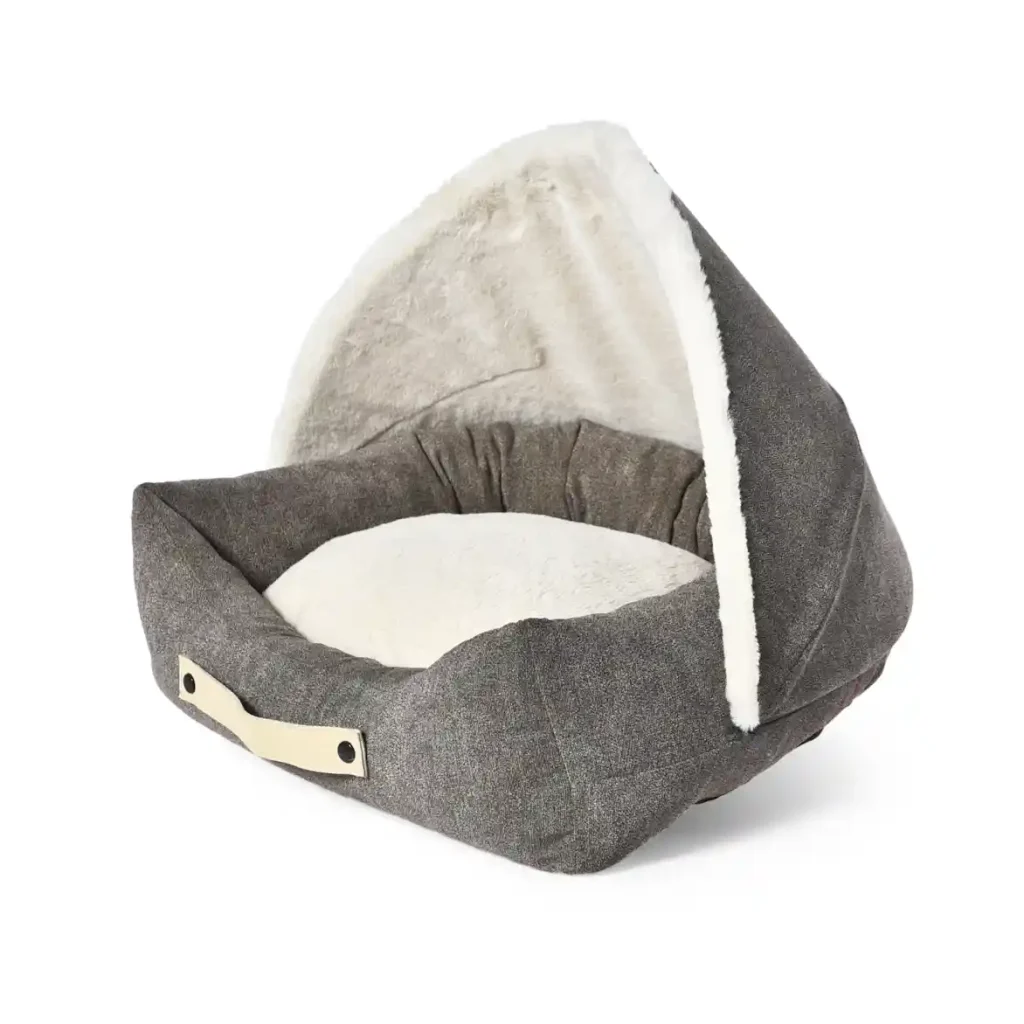
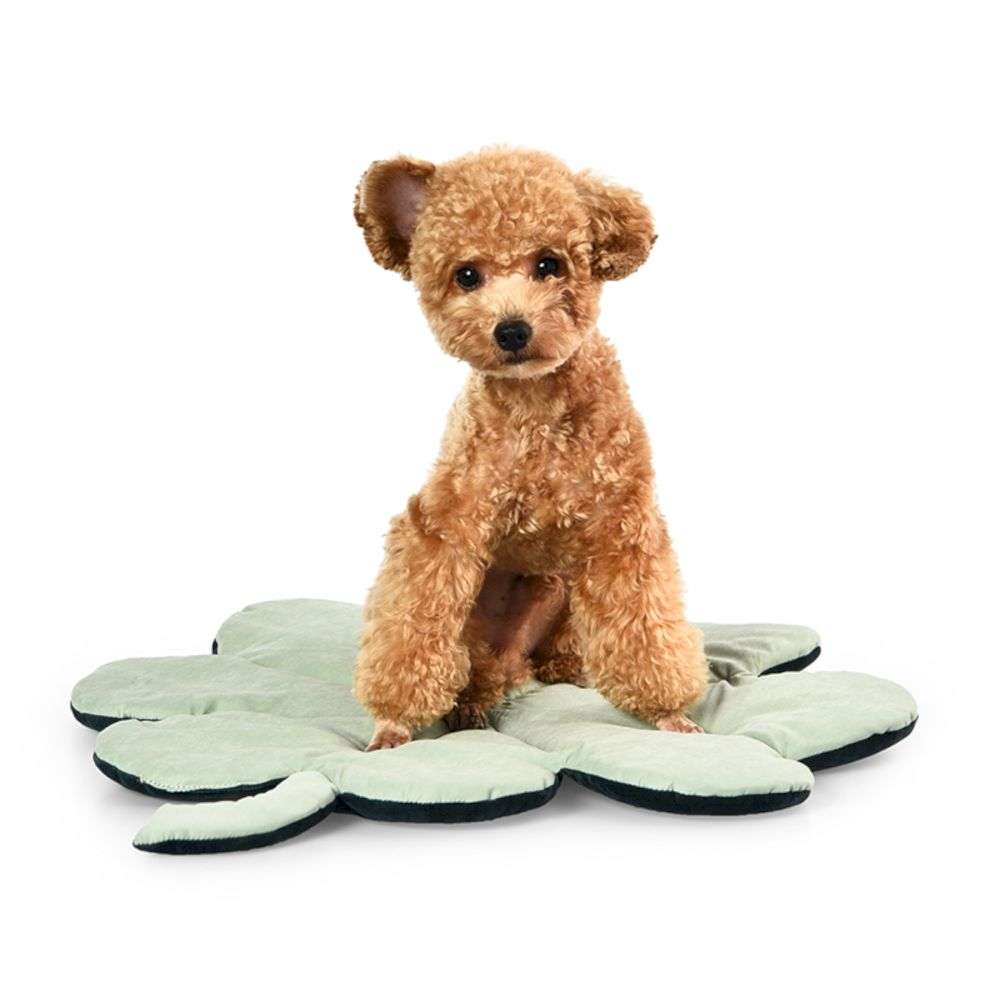
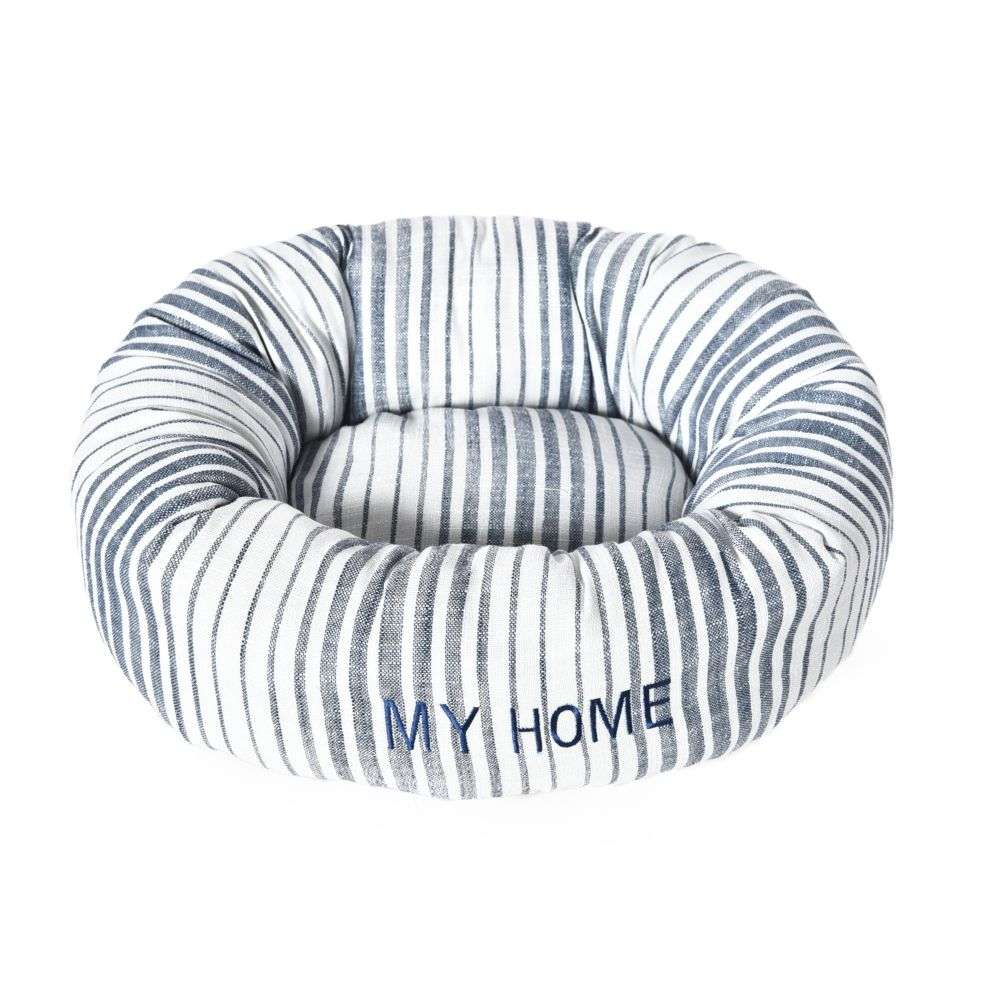
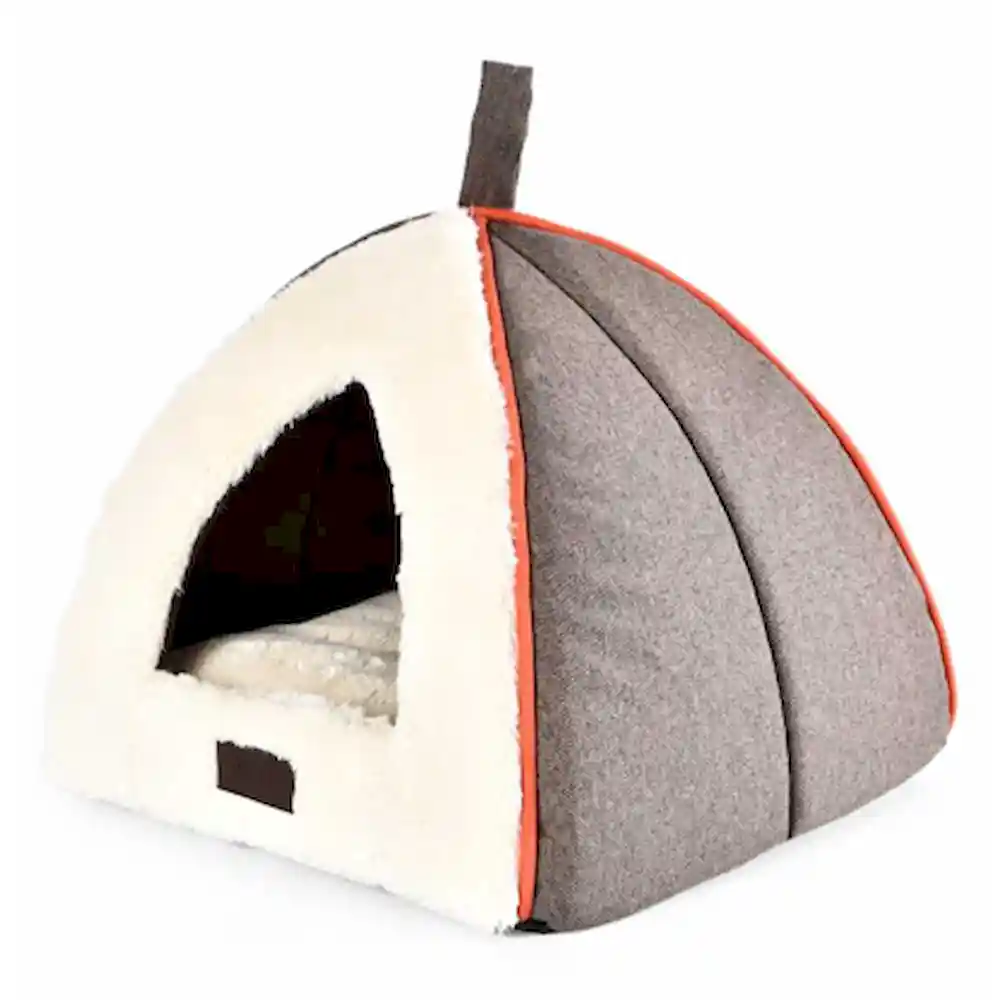
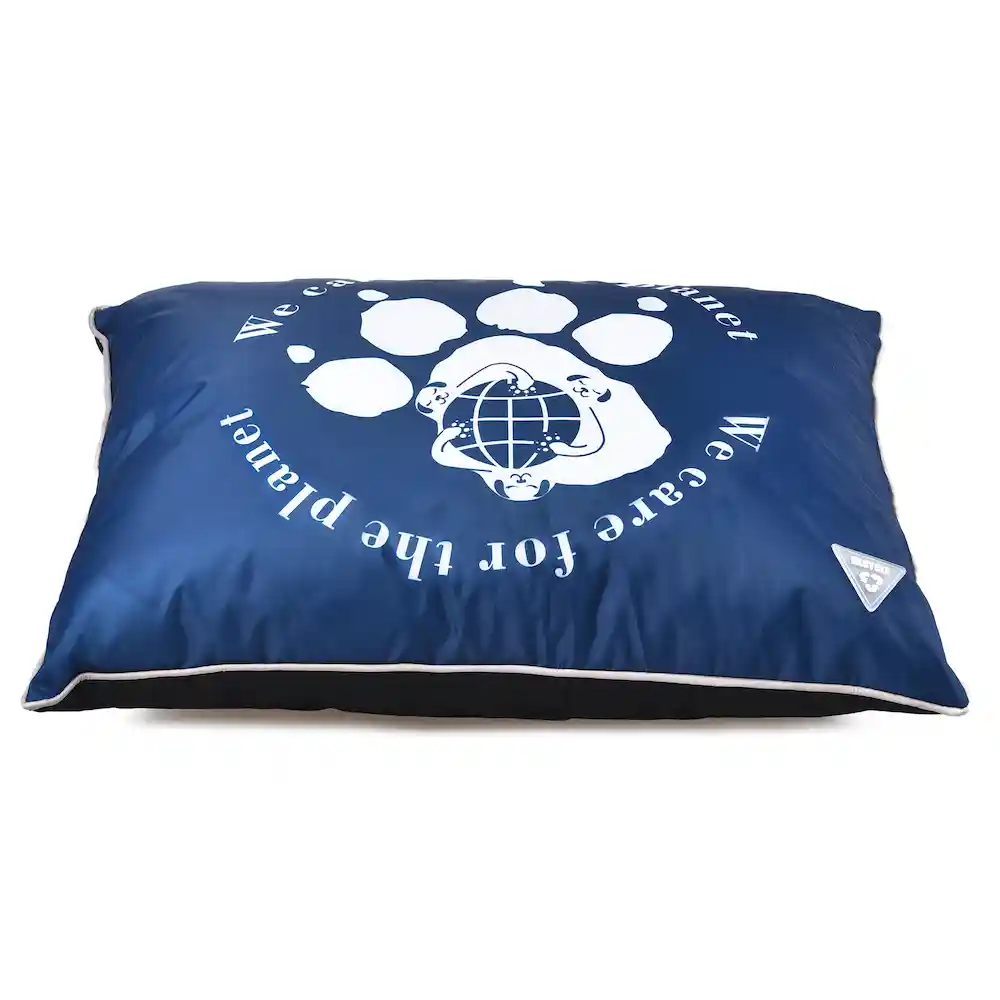
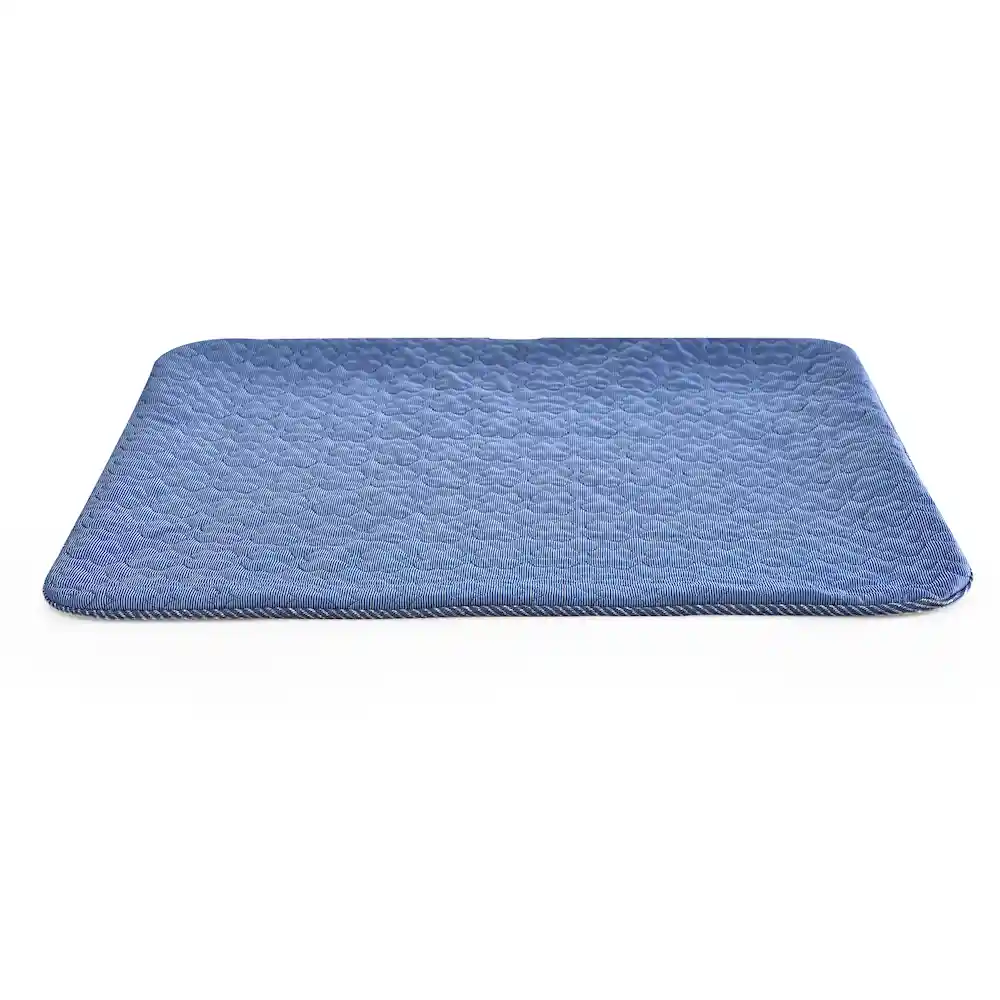
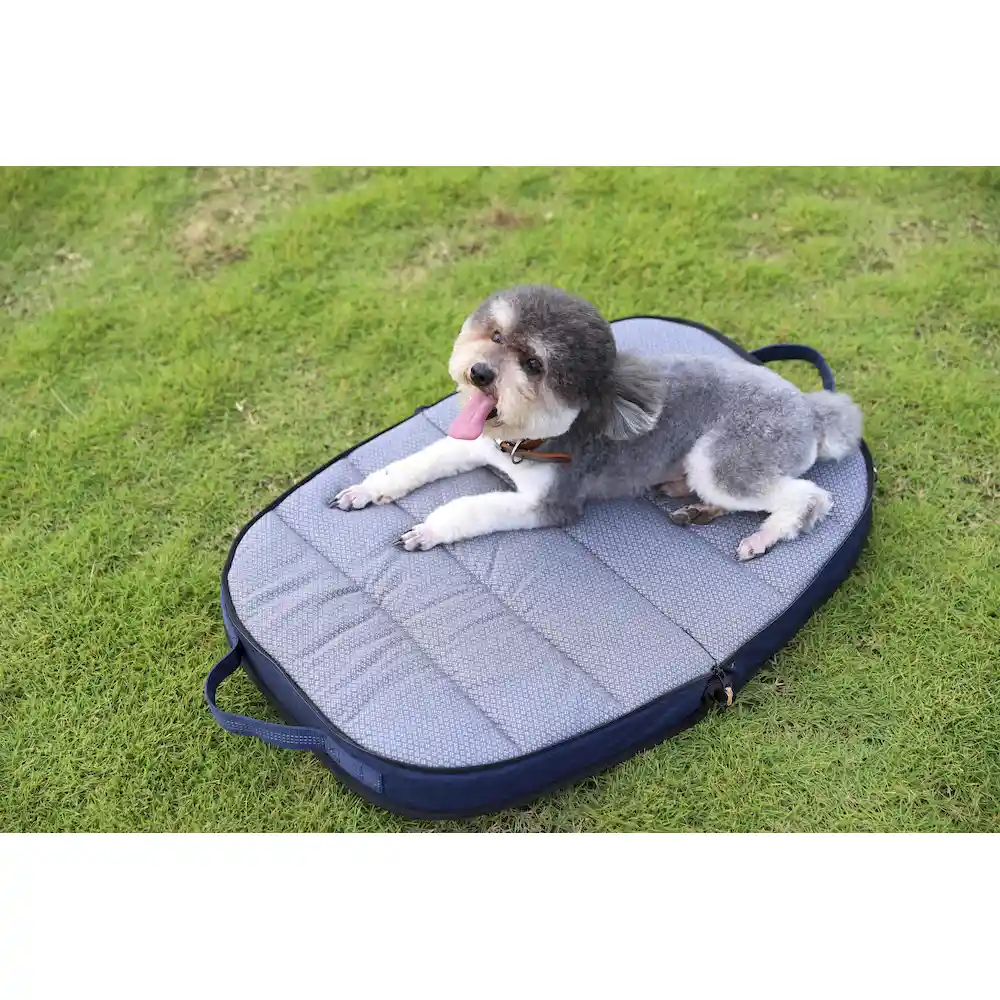
- Travel Beds: Portable, lightweight mats and low-profile cushions optimized for mobile use.
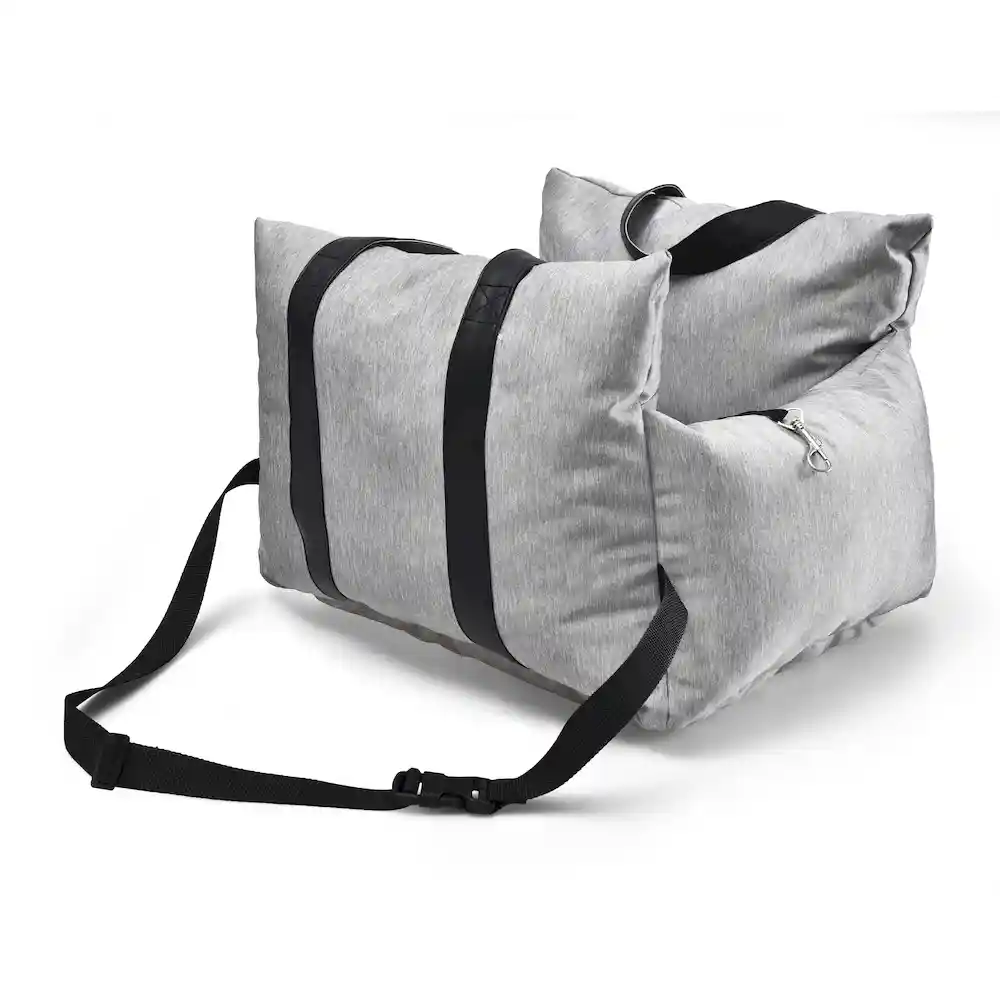
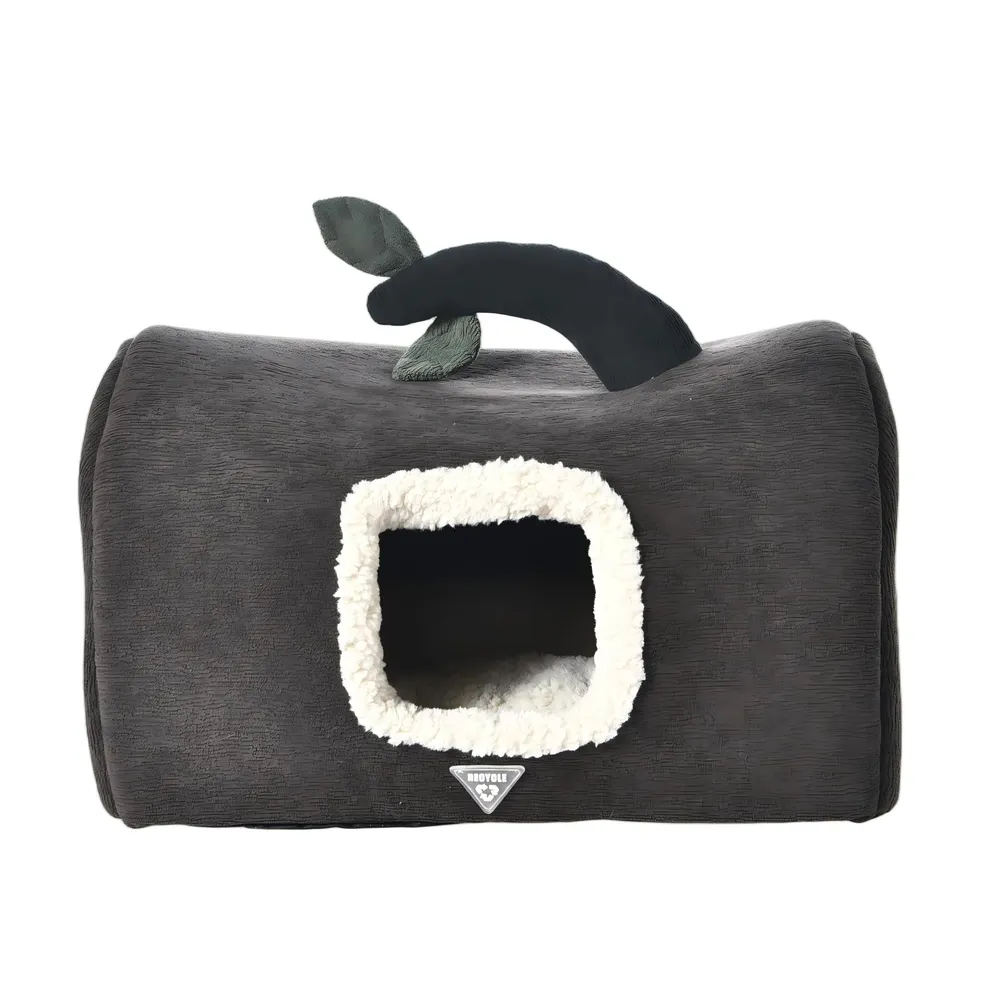
- Carrier Bags: Highly structured transportation units optimized for commuting and public transit.
- Booster Seats: Elevated safety lookouts developed in partnership with a certified dog booster seat manufacturer.
- Seat Covers: Bench-style protective fabric barriers safeguarding vehicle interiors from mud and claws.
- Rear-Seat Hammocks: Full-coverage door-to-door vehicle enclosures designed for rugged outdoor utility.
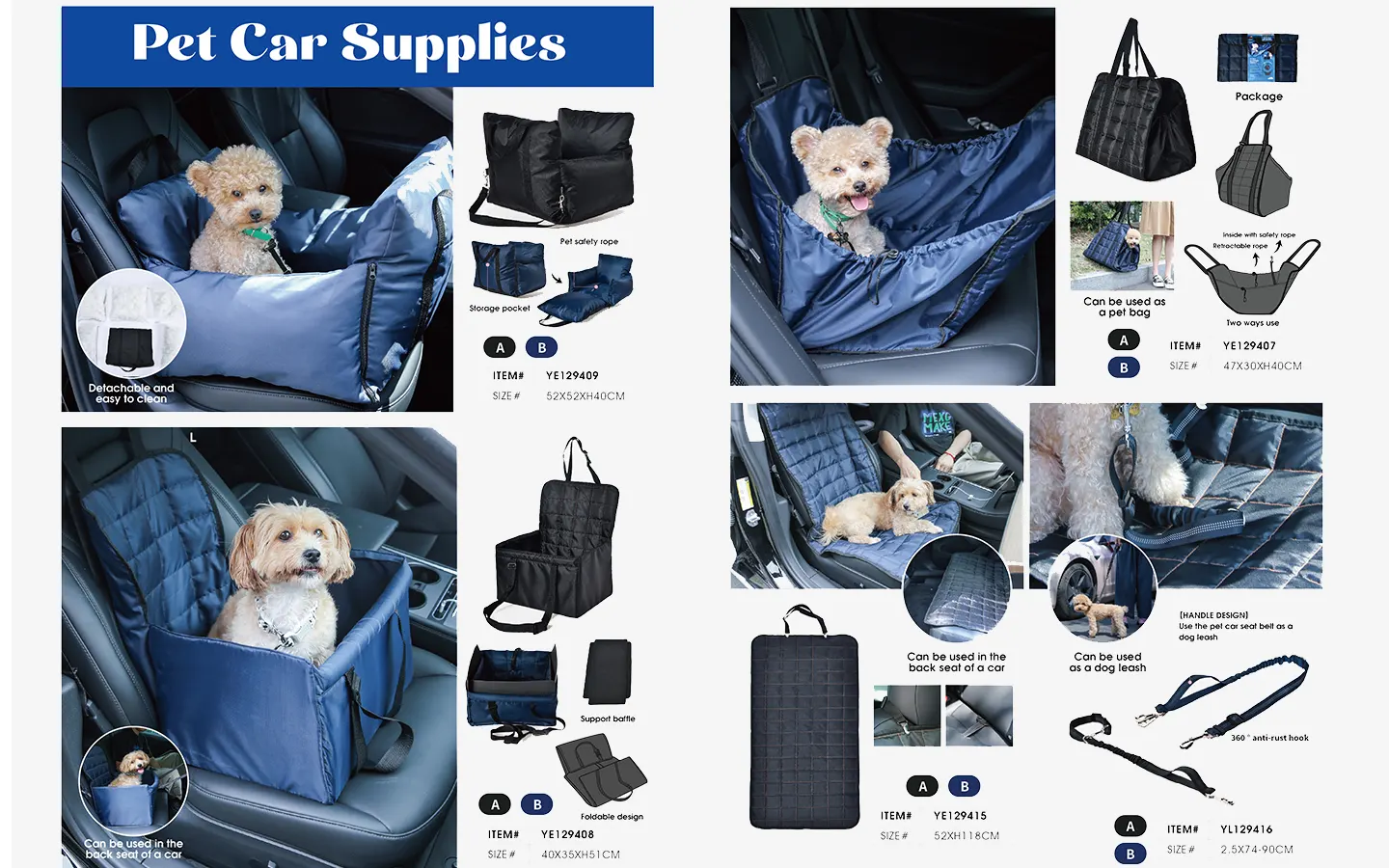
Because these products often share similar fabrics, colors, branding, and packaging, manufacturers can help retailers create unified collections while maintaining consistent quality standards across multiple SKUs. This allows global brands to deploy comprehensive OEM pet travel products programs that reduce factory negotiation friction.
Travel Beds: Comfort Is Driven by Material Selection
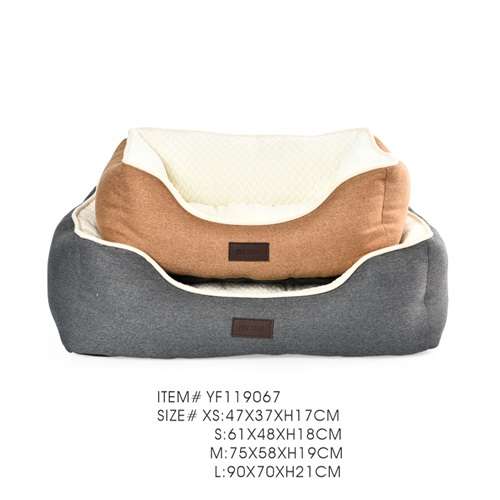
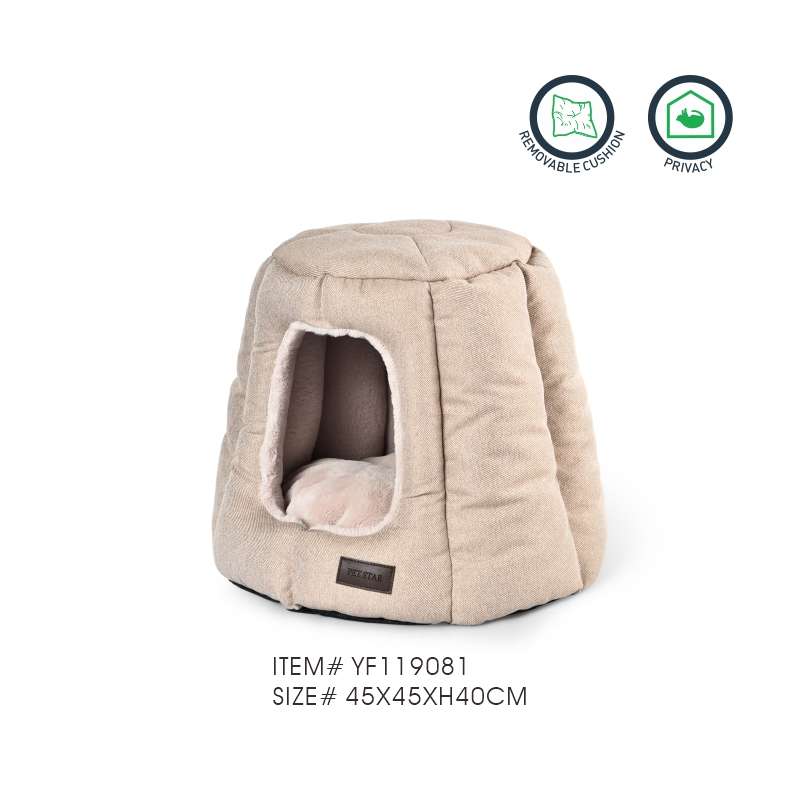
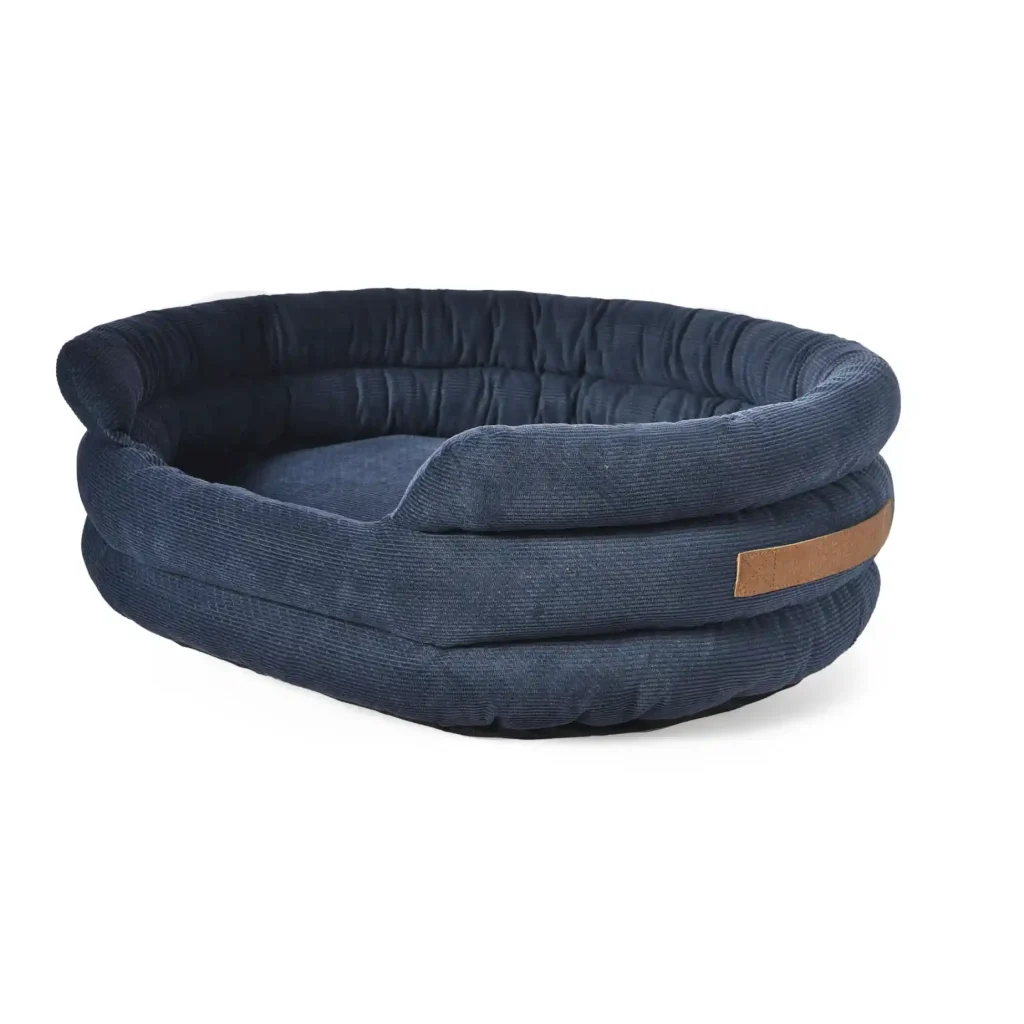
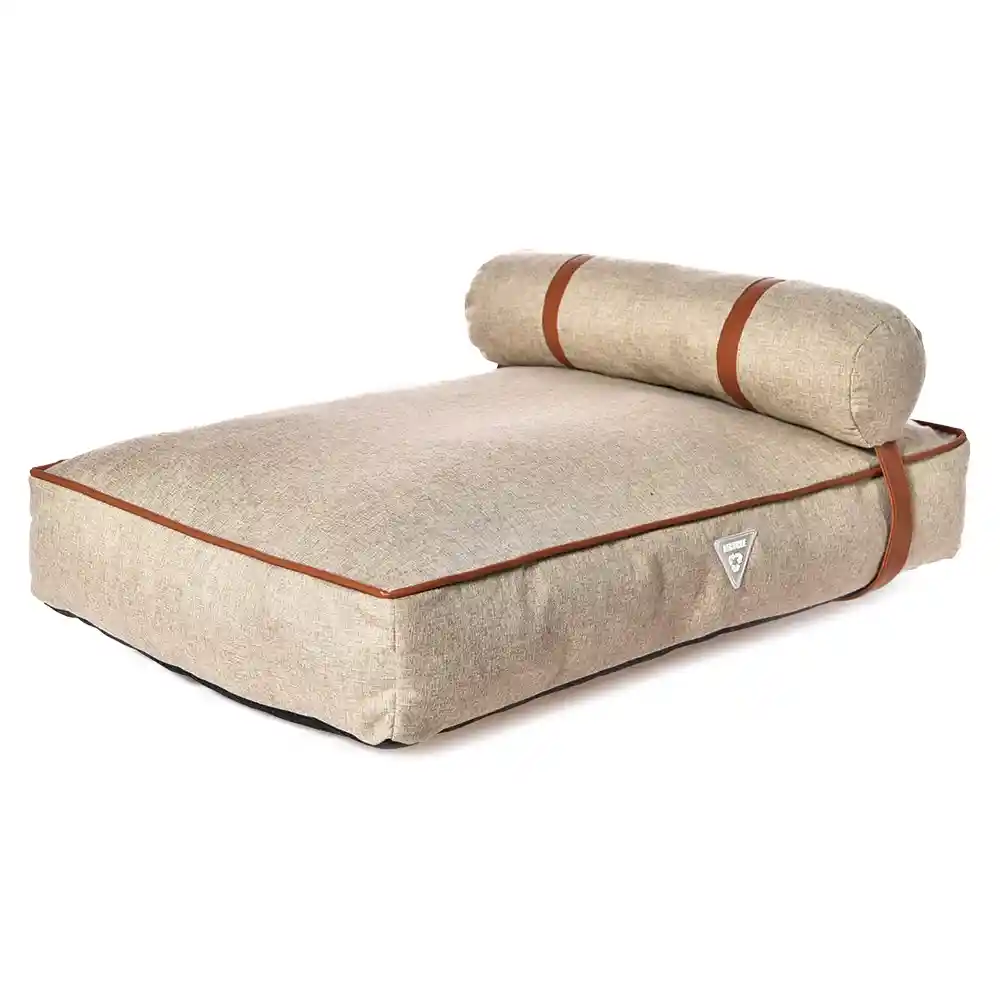
Travel beds are designed primarily as temporary resting spaces during travel rather than permanent home bedding. For retailers, purchasing decisions usually focus less on heating performance and more on fabric durability, appearance, portability, and cleaning convenience. Sourcing executives navigate this landscape by calibrating their allocations with a dedicated travel pet bed wholesale matrix.
Material selection plays a significant role because different retail channels target different customer expectations.
Oxford fabric is widely selected for its excellent abrasion resistance and suitability for active outdoor use. It performs well for camping, road trips, and frequent vehicle transportation where scratch resistance and durability are priorities.
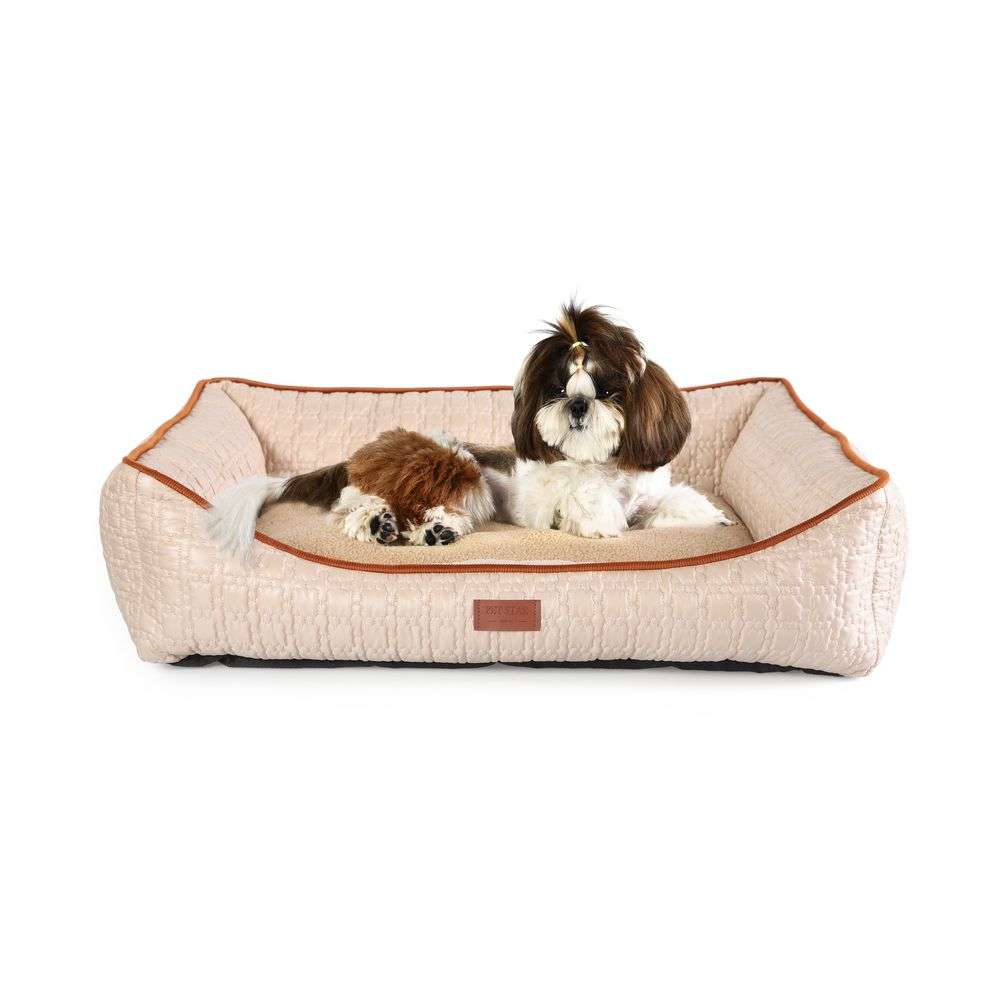
Quilted polyester fabrics offer a softer appearance with greater visual appeal. Because travel products increasingly function as lifestyle accessories, quilted designs have become particularly popular among premium retailers seeking fashionable product collections.
Recycled polyester (RPET) is another available fabric option rather than the only material choice. Many brands introduce RPET travel beds to support sustainability initiatives while maintaining performance comparable to conventional polyester fabrics. However, retailers should remember that RPET represents one fabric solution within a broader material portfolio rather than a universal replacement for every application.
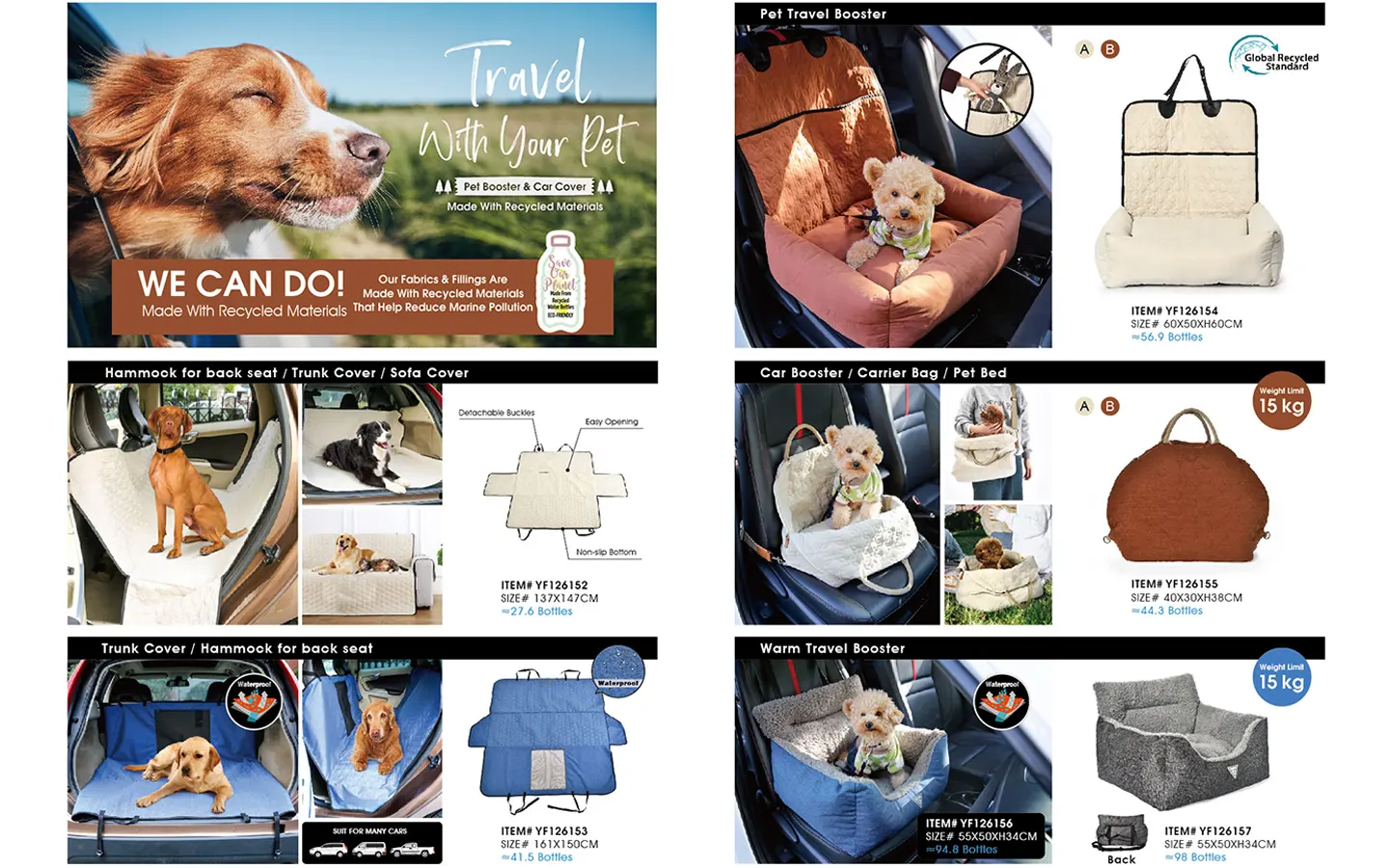
Unlike thick indoor pet beds, only certain padded travel bed designs are suitable for vacuum compression during shipping. Product structure should therefore be evaluated according to filling volume rather than the travel category itself. To explore the broader logistics variables governing these product setups, corporate buying groups consult with an integrated travel pet products wholesale specialist to secure optimal ocean freight container consolidation.
Carrier Bags: Where Function Meets Lifestyle
Carrier bags have evolved from simple transportation products into lifestyle accessories, particularly in Japan and South Korea, where pet owners often use them for shopping, cafés, and public transportation. As a result, retailers increasingly prioritize appearance alongside functionality.
From a sourcing perspective, buyers typically evaluate three factors: structural load capacity, carrying comfort, and fabric aesthetics. Reinforced handles, stable bottom panels, and durable stitching improve long-term performance, while quilted polyester fabrics create a premium lifestyle appearance. Oxford fabric is often selected for greater abrasion resistance, and GRS-certified RPET provides an additional sustainable material option for brands pursuing environmental objectives.
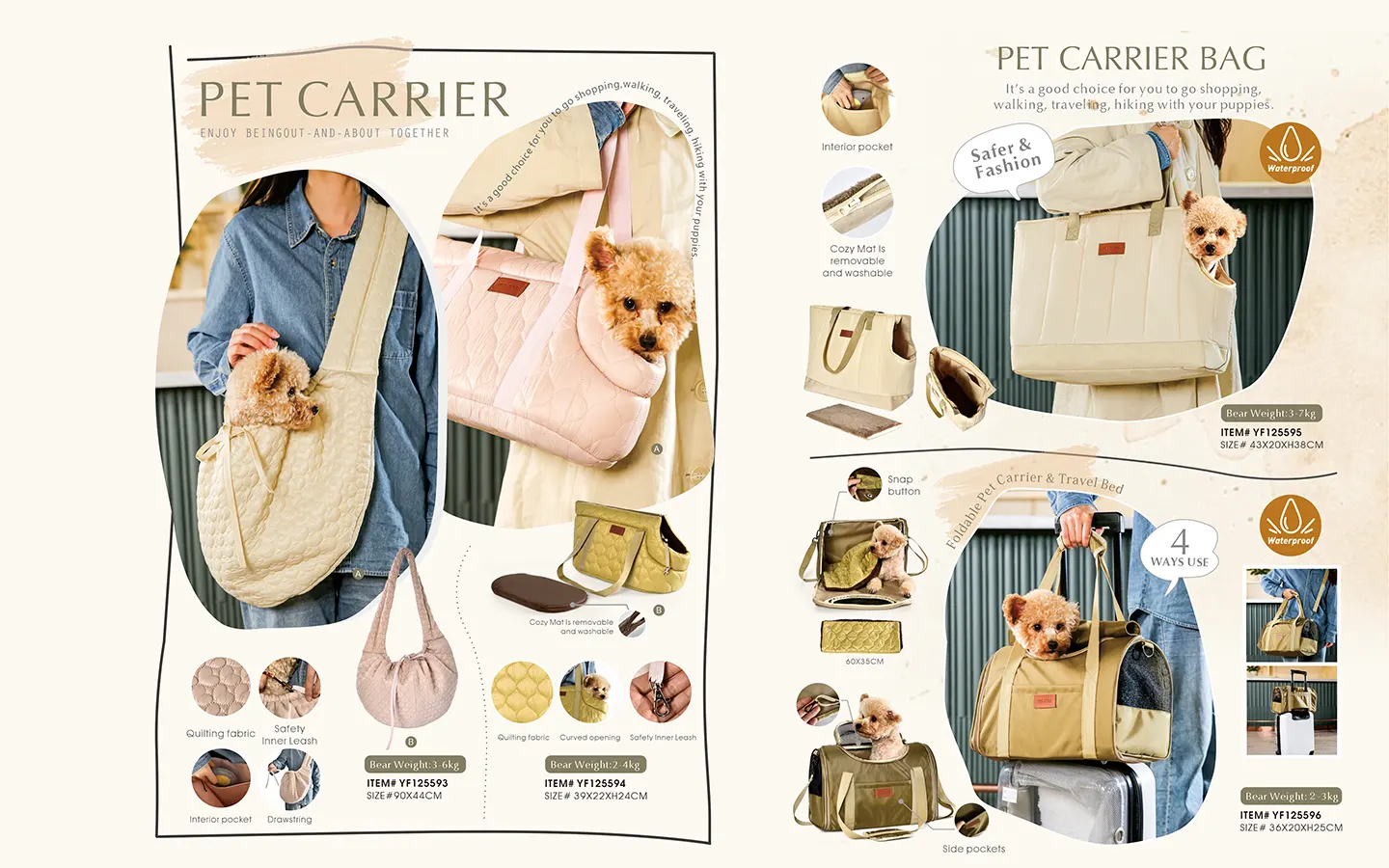
Unlike travel beds, carrier bags are generally recommended for hand washing to protect reinforced structural components.
Booster Seats: Safety Is the Primary Purchasing Driver
Booster seats are designed to improve both pet comfort and in-vehicle safety. Retail buyers usually evaluate installation stability, adjustable safety tethers, removable cushions, and ease of maintenance before considering decorative features.
Some premium collections incorporate optional low-voltage heating systems operating within a 5–12V range. Low-voltage DC technology has become increasingly common because it significantly reduces electrical risk compared with traditional household power systems. When combined with removable heating modules, retailers benefit from easier cleaning, simplified maintenance, and lower warranty costs. Even after removing the heating module, the product continues functioning as a standard booster bed.
Chew-resistant cable protection is another important engineering upgrade. Because many dogs instinctively chew exposed cords, reinforced protective conduits help reduce cable damage and minimize after-sales liability.
Seat Covers & Rear-Seat Hammocks: Built for Vehicle Protection
Vehicle protection products continue gaining popularity as pet ownership and road travel increase worldwide.
Seat covers protect individual seating positions, while rear-seat hammocks create a suspended barrier that keeps pets safely on the back seat while preventing dirt, moisture, and scratches from damaging vehicle interiors.
Regional preferences vary considerably. North American retailers typically source larger hammocks and cargo-area protectors suitable for SUVs and pickup trucks. European buyers generally prefer more compact dimensions that better fit hatchbacks and smaller family vehicles.
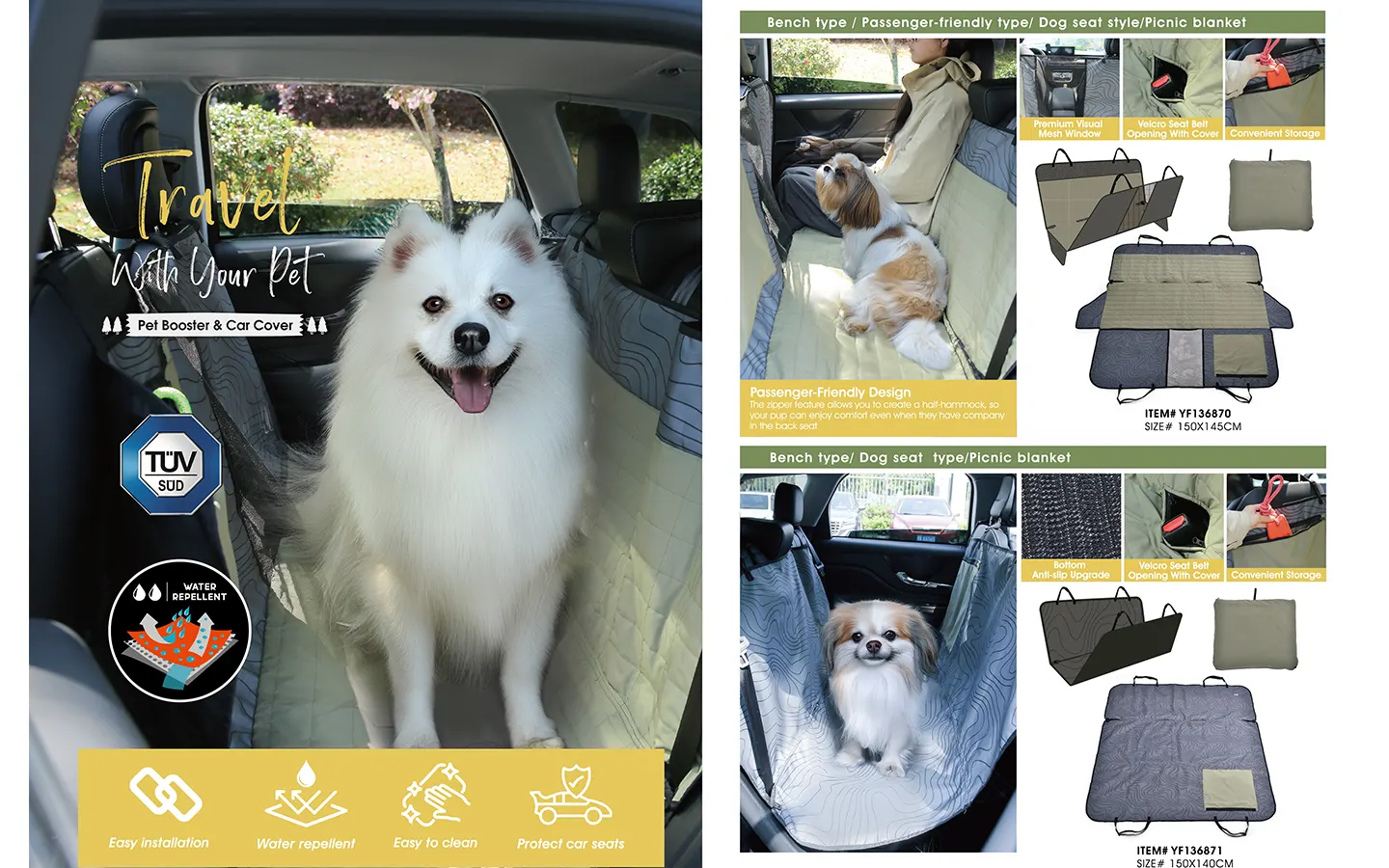
Durability is largely determined by material selection. Oxford fabric remains the industry standard because it resists scratching while maintaining dimensional stability during repeated use. Waterproof or water-repellent finishes also simplify maintenance, allowing most daily dirt to be removed with a damp cloth rather than requiring full machine washing. Certain collections are supported by independent TÜV water-repellent test reports for additional verification.
Choosing Materials for Different Travel Products
No single fabric is ideal for every travel product. Professional sourcing teams select materials according to each product's intended application.
Oxford fabric is widely used for seat covers, hammocks, and booster seats where scratch resistance, waterproof performance, and durability are essential. Quilted polyester fabrics are more commonly selected for travel beds and carrier bags because they provide a softer appearance and broader design flexibility.
GRS-certified RPET is not a separate product category but an alternative polyester fabric manufactured from recycled plastic bottles. It can be applied to travel beds, carrier bags, booster seats, seat covers, blankets, and hammocks whenever sustainability goals are incorporated into a product line.
Ultimately, material selection should balance durability, appearance, maintenance requirements, target pricing, and environmental objectives rather than relying on a single fabric solution.
OEM Customization for Private Label Collections
Rather than sourcing individual products, many retailers develop coordinated travel collections under their own brands.
Common OEM customization options include logo application, packaging design, fabric selection, color matching, product dimensions, regional voltage configurations for heated models, and retail labeling. Standard MOQ begins at 300 pieces per design, allowing buyers to build consistent product families across multiple travel categories.
A unified collection using shared materials, colors, and packaging creates stronger shelf presentation while improving operational efficiency across purchasing and inventory management.
Manufacturing Compliance Matters More Than Marketing Claims
Experienced buyers evaluate manufacturers through documented compliance systems rather than promotional statements.
Factory audits such as BSCI, ICS, SMETA 4-Pillar, FQA, Costco GMP Audit, and SCAN (C-TPAT Standard) demonstrate manufacturing management capabilities. Quality management systems including ISO 9001 e ISO 14001 indicate standardized production and environmental processes governed under an established gestione della qualità delle cucce per animali domestici framework.
Where recycled materials are specified, GRS Chain of Custody verifies traceability throughout the manufacturing process. For applicable vehicle protection products, independent performance reports such as TÜV water-repellent testing provide additional confidence when evaluating waterproof performance.
These documents address different aspects of supplier qualification and should be evaluated collectively during vendor selection.
Conclusione
As global demand for pet travel products continues expanding, retailers are moving beyond single-product purchasing toward complete travel collections that combine comfort, safety, durability, and consistent branding.
Whether sourcing travel beds, carrier bags, booster seats, seat covers, or rear-seat hammocks, successful procurement depends on selecting appropriate materials, qualified manufacturing partners, and scalable OEM solutions that meet regional market requirements. A well-planned travel collection not only improves merchandising opportunities but also creates stronger long-term value for both retailers and private-label brands.