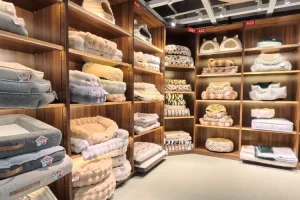
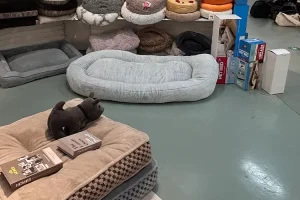
In the competitive pet bed market, offering a variety of dog beds is crucial for attracting and retaining customers. Pet owners have diverse needs and preferences for their furry companions, and providing a wide range of options ensures you can meet these demands effectively.
Different types of dog beds cater to various needs and preferences of dogs and their owners. For instance, older dogs may require orthopedic dog beds to alleviate joint pain, while smaller breeds might prefer the security of a nesting bed. By understanding these differences, you can better advise your customers and help them find the perfect dog bed for their pets.
Moreover, knowing the different types of dog beds allows for more effective selling. It enables you to highlight the unique features and benefits of each type, addressing specific customer concerns and needs. This knowledge not only enhances customer satisfaction but also drives sales and builds customer loyalty.
What Are the Different Dog Bed Types?
If you’re a newcomer to the pet industry and not yet familiar with the different types of dog beds, you should keep reading this article. We will introduce you to 20 different types of dog beds, including their descriptions, features, and the types of dogs they are best suited for.
Types of dog beds list
Bed Type | Features | Suit |
Standard Dog Bed | Simple design, various shapes (rectangular, oval, round), multiple padding and cover options | Suitable for dogs of all sizes and breeds who prefer a basic, comfortable bed |
Orthopedic Dog Bed | Memory foam, extra support, joint relief | Ideal for older dogs or those with joint problems, making it the best type of bed for senior dogs |
Bolster Dog Bed | Raised edges, pillow-like bolsters | Perfect for dogs who like to lean on something while sleeping |
Nest Dog Bed | Rolled edges, supportive and secure | Great for dogs who like to curl up |
Heated Dog Bed | Built-in heating elements | Suitable for cold weather or older dogs needing extra warmth |
Cooling Dog Bed | Cooling gel or special materials | Ideal for hot weather or dogs that overheat easily |
Pet Sofa | Mini sofa design, extra support and comfort | Suitable for dogs who enjoy luxury and a more furniture-like bed, similar to sofa type dog beds |
Tunnel Dog Bed | Tunnel shape, concealment, and security | Perfect for dogs who like to hide |
Slipper Dog Bed | Slipper shape, burrow inside for comfort and warmth | Ideal for dogs who like to burrow |
Cave Dog Bed | Enclosure or roof, den-like feel | Suitable for dogs who prefer private and secure spaces,such as cave type dog beds |
Travel Dog Bed | Easy to carry and store | Ideal for travel or camping |
Elevated Dog Bed | Raised off the ground, better air circulation | Suitable for outdoor use and dogs who need to stay cool |
Wooden Dog Bed | Wooden or rigid materials, soft cushion on top | Suitable for dogs needing extra support and a sturdy bed |
Waterproof Dog Bed | Waterproof materials | Ideal for dogs who enjoy outdoor activities or are prone to getting wet |
Memory Foam Dog Bed | Memory foam material, superior comfort and support | Suitable for dogs of all ages |
Cushion Dog Bed | Cushion shape, usually thinner | Suitable for use in crates or kennels |
Layered Dog Bed | Multiple layers or pockets for different cushions or warming materials | Ideal for versatile use and customizable comfort |
Eco-friendly Dog Bed | Environmentally friendly materials | Suitable for pet owners who emphasize sustainability |
Anti-static Dog Bed | Anti-static materials to prevent static build-up | Ideal for ensuring dogs’ comfort by reducing static electricity |
Antibacterial Dog Bed | Antibacterial materials, prevents bacteria growth and eliminates odors | Suitable for keeping the bed fresh and clean, ideal for dogs prone to infections or odors |
1.Standard Dog Bed
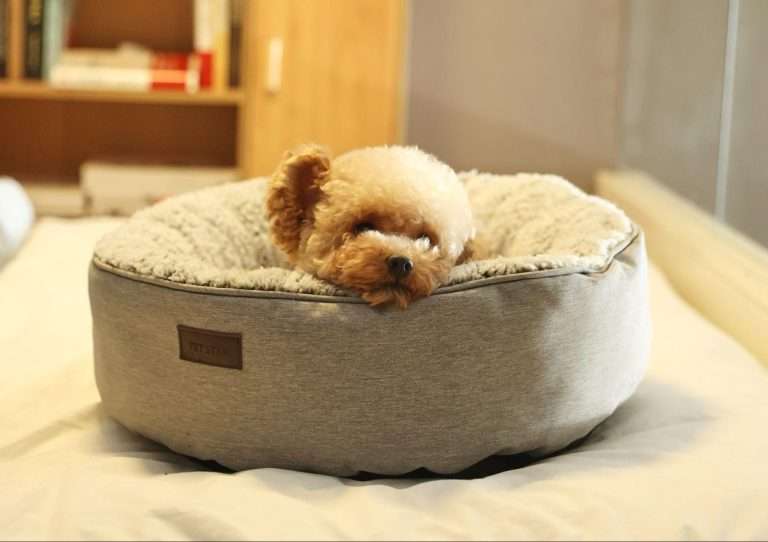
Standard dog beds are simple beds with no frills, often available in rectangular, oval, or round shapes dog bed. They come with various types of padding and covers, making them suitable for dogs of all sizes and breeds who prefer a basic, comfortable bed.
2.Orthopedic Dog Bed
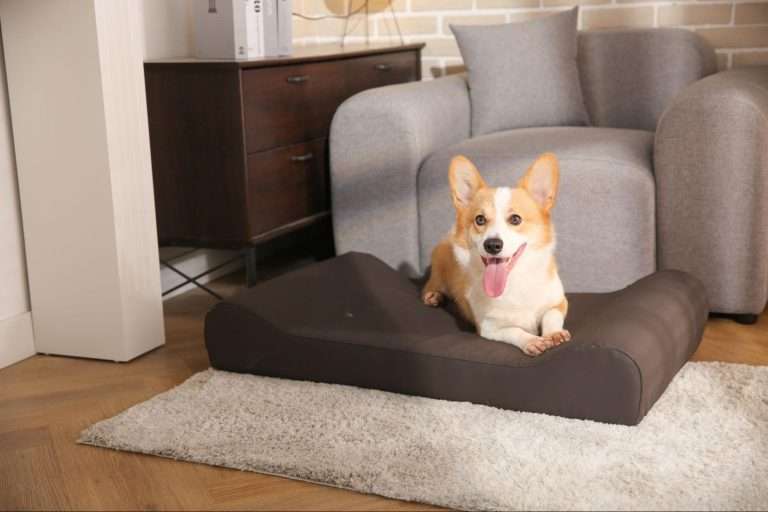
Orthopedic dog beds are designed for older dogs or dogs with joint problems. They typically use memory foam to provide extra support and comfort, helping to relieve pressure on the joints and improve overall sleep quality.
3.Bolster Dog Bed
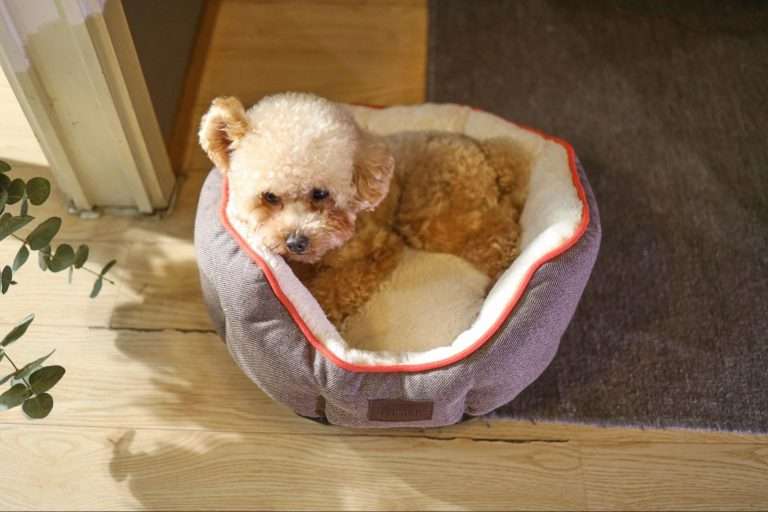
Bolster dog beds feature raised edges or “bolsters” around the bed, providing a pillow-like edge that dogs can lean on. This type of bed is perfect for dogs who like to rest their heads on something while sleeping.
4.Nest Dog Bed

Nest dog beds have a rolled edge, offering support and a sense of security. They are ideal for dogs who like to curl up and feel surrounded by their bed.
5.Heated Dog Bed
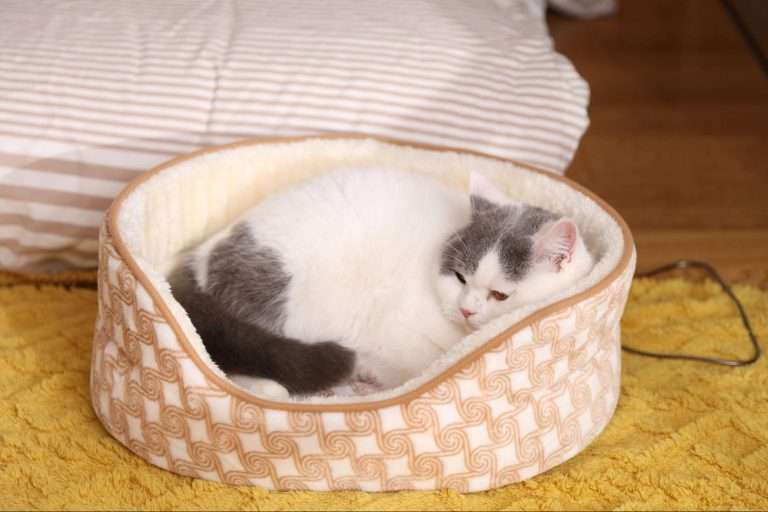
Heated dog beds come with built-in heating elements, making them suitable for cold weather or older dogs who need extra warmth to stay comfortable.
6.Cooling Dog Bed
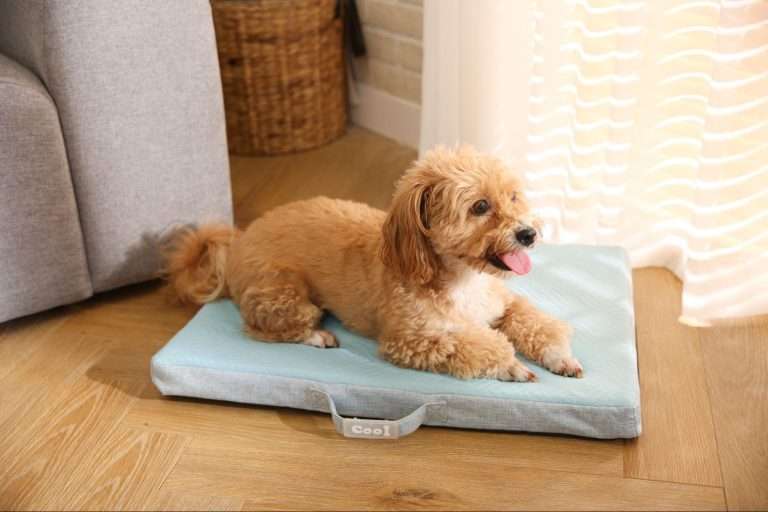
Cooling dog beds use cooling gel or special materials to help dogs cool down in hot weather. These beds are ideal for dogs that overheat easily and need a cool place to rest.
7.Pet Sofa
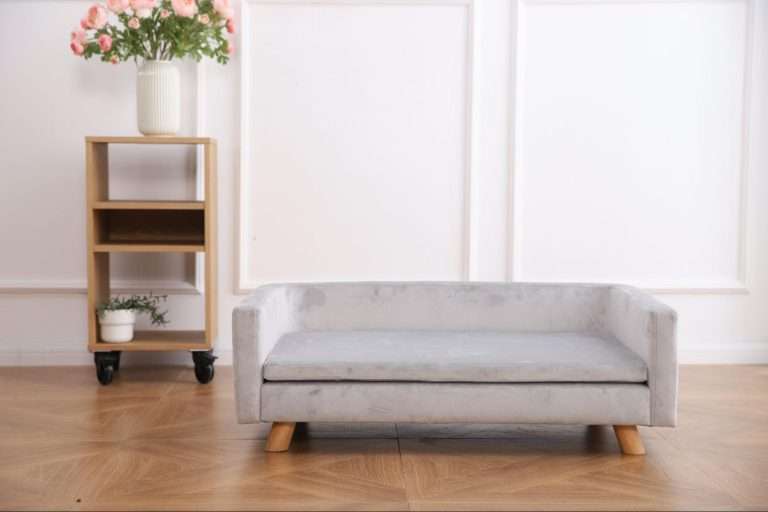
Pet sofas are designed like mini sofas, offering extra support and comfort. They are suitable for dogs who enjoy luxury and a more furniture-like bed.
8.Tunnel Dog Bed
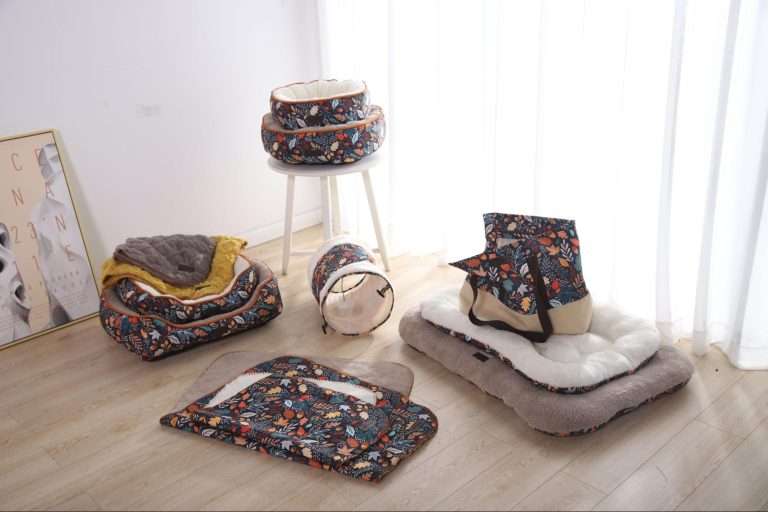
Tunnel dog beds feature a tunnel shape, offering extra concealment and a sense of security. These beds are perfect for dogs who like to hide and feel secure in enclosed spaces.
9.Slipper Dog Bed
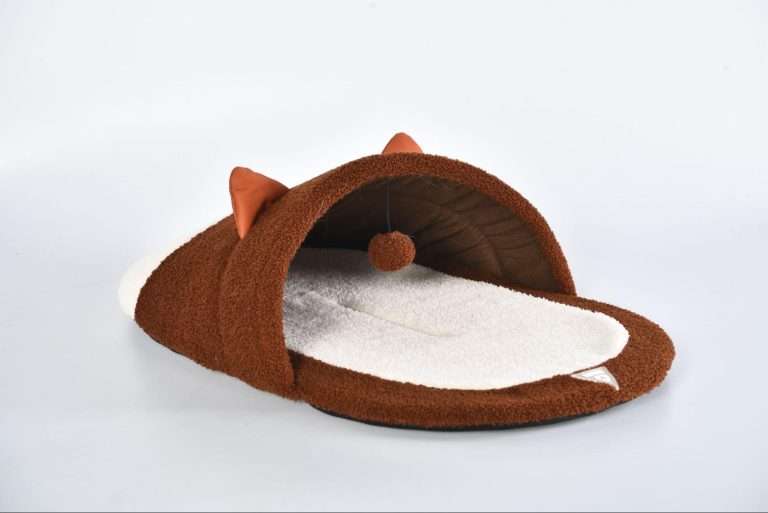
Slipper dog beds are shaped like a slipper, allowing dogs to burrow inside for comfort and warmth. They are ideal for dogs who enjoy burrowing.
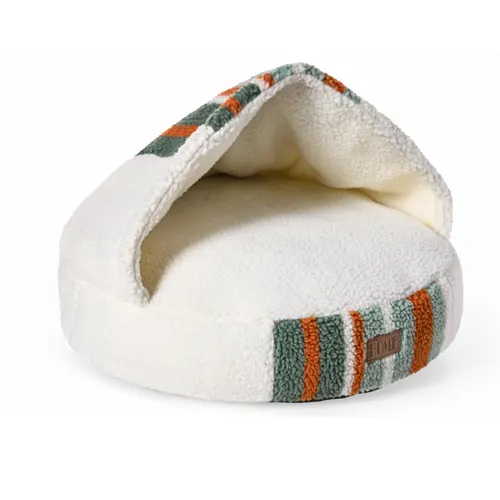
Cave dog beds have an enclosure or roof, providing a den-like feel. These beds are suitable for dogs who prefer private and secure spaces.
11.Travel Dog Bed
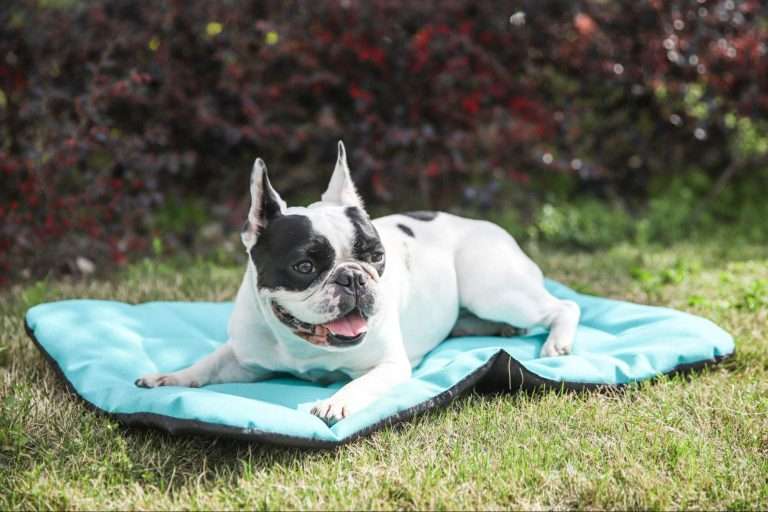
Travel dog beds are easy to carry and store, making them ideal for use during travel or camping. They provide a comfortable place for dogs to rest while on the go.
12.Elevated Dog Bed
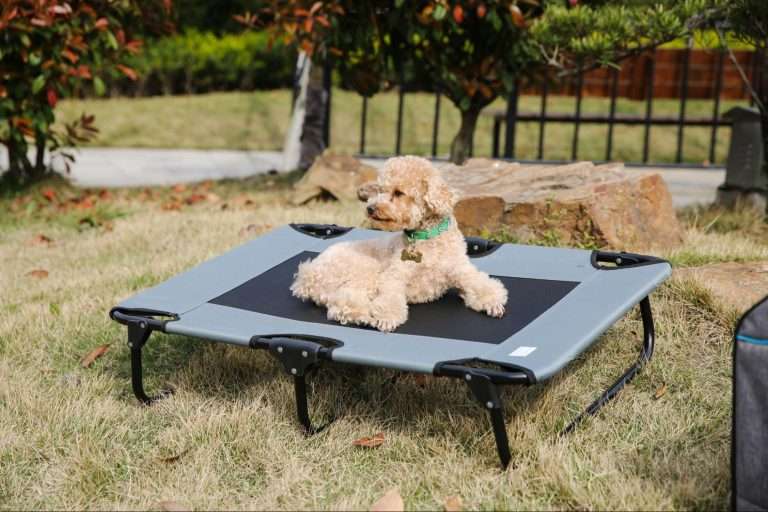
Elevated dog beds are raised off the ground, offering better air circulation. These beds are suitable for outdoor use and help keep dogs cool.
13.Wooden Dog Bed
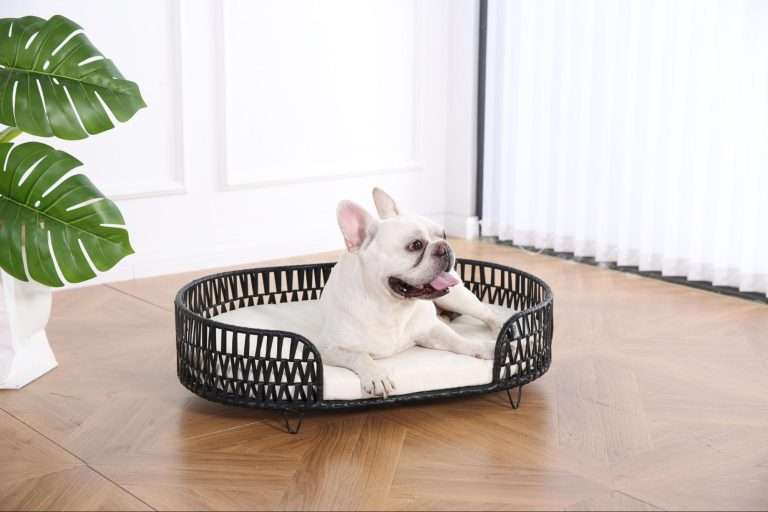
Wooden dog beds are made from wooden or other rigid materials, usually with a soft cushion on top. They offer extra support and are suitable for dogs needing a sturdy bed.
14.Waterproof Dog Bed
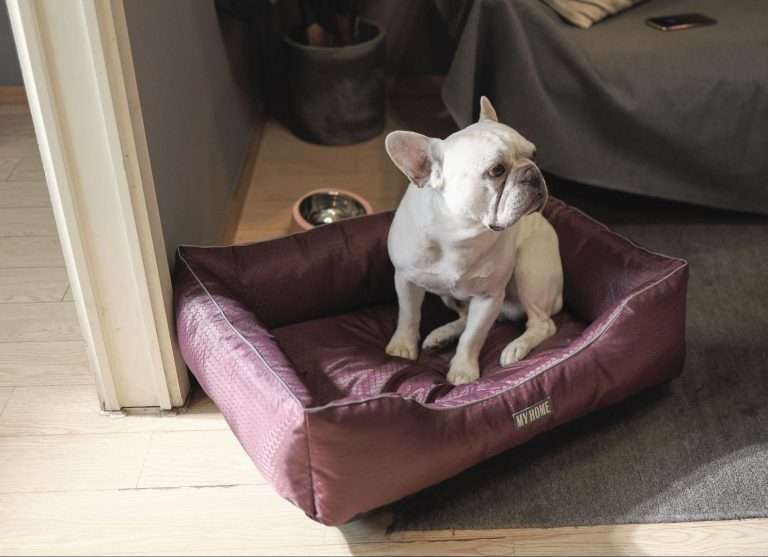
Waterproof dog beds are made with waterproof materials, making them ideal for dogs who enjoy outdoor activities or are prone to getting wet.
15.Memory Foam Dog Bed
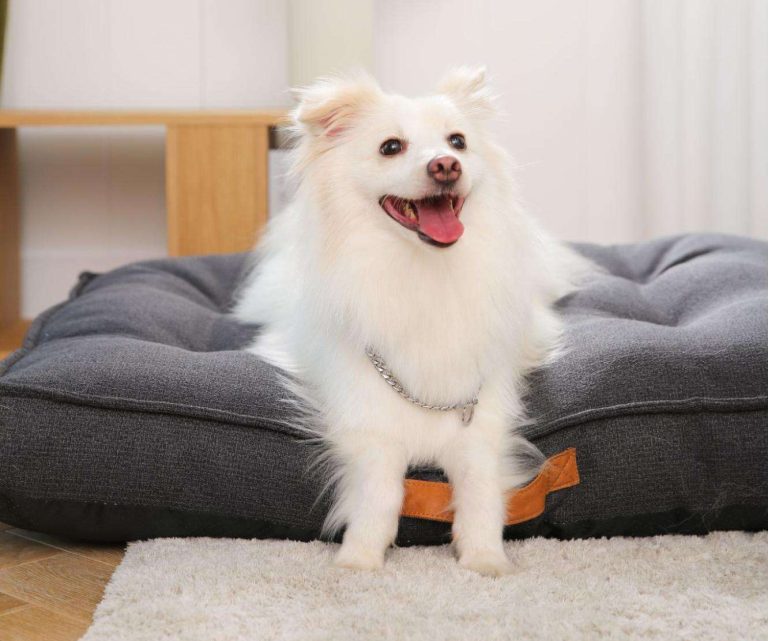
Memory foam dog beds use memory foam material, offering superior comfort and support. These beds are suitable for dogs of all ages and provide excellent cushioning.
16.Cushion Dog Bed
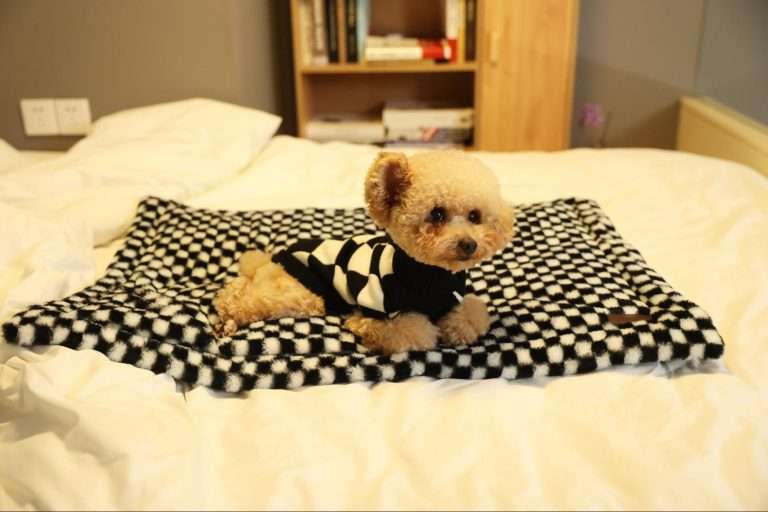
Cushion dog beds are shaped like a cushion and are usually thinner. They are suitable for use in crates or kennels, providing a comfortable surface for dogs to lie on.
17.Layered Dog Bed
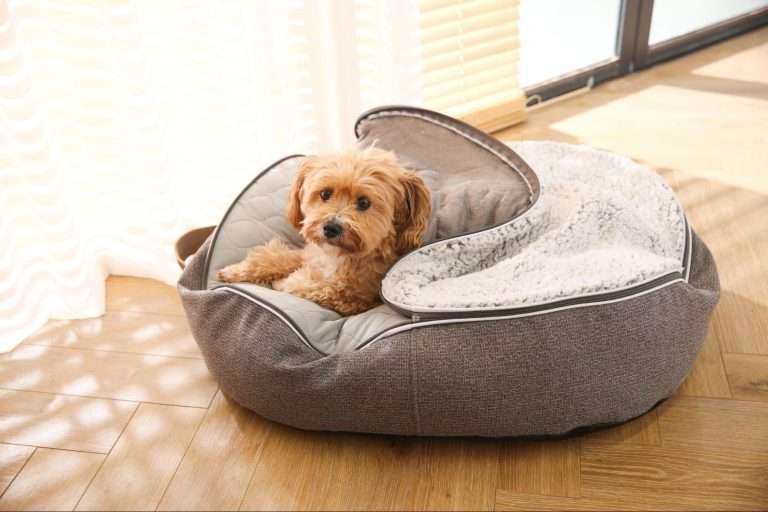
Layered dog beds have multiple layers or pockets to place different cushions or warming materials. They are ideal for versatile use and customizable comfort.
18.Eco-friendly Dog Bed
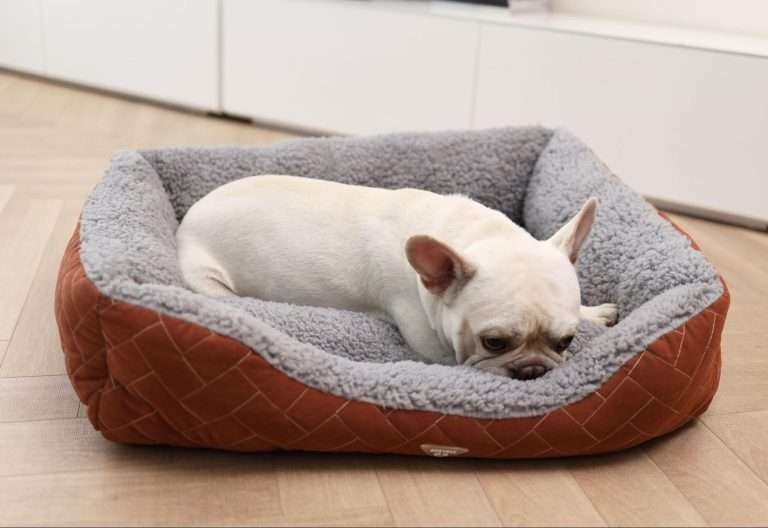
Eco-friendly dog beds are made from environmentally friendly materials. They are suitable for pet owners who emphasize sustainability and want to minimize their environmental impact.
19.Anti-static Dog Bed
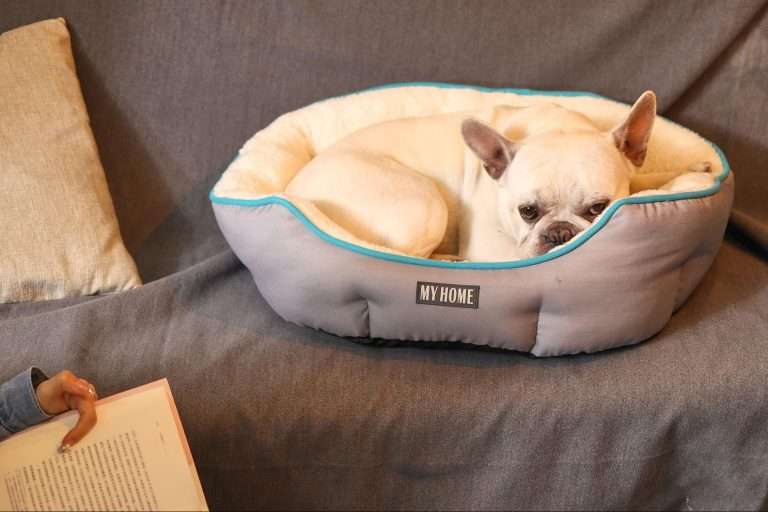
Anti-static dog beds are made from materials that prevent static build-up, ensuring dogs’ comfort by reducing static electricity. These beds are ideal for dogs sensitive to static shocks.
20.Antibacterial Dog Bed
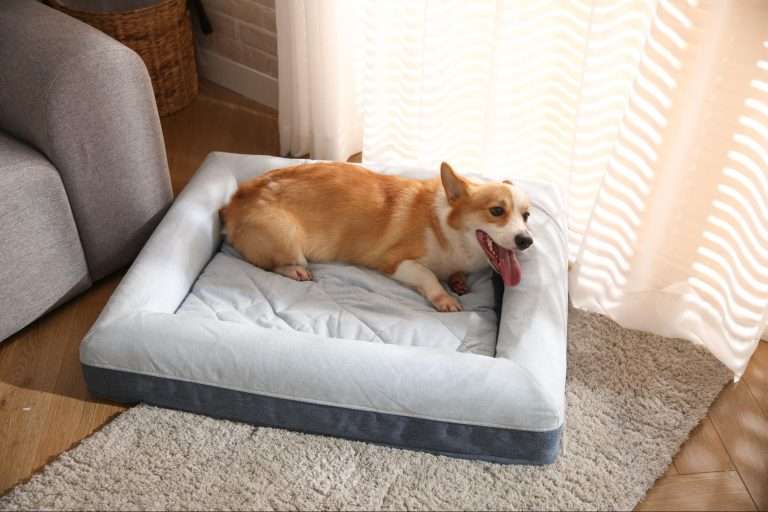
Antibacterial dog beds are made from antibacterial materials to prevent the growth of bacteria and eliminate odors. They are suitable for keeping the bed fresh and clean, ideal for dogs prone to infections or odors.
What Type of Bed Do Dogs Prefer?
People often ask, “What is the best type of dog bed? Dogs, like people, have individual preferences when it comes to their sleeping arrangements. Here are some factors and types of beds that can influence what type of bed a dog might prefer:
- Comfort and Support:
- Memory Foam Beds: Many dogs prefer memory foam beds because they provide excellent support and comfort. The foam conforms to the dog’s body, reducing pressure on joints and providing a soft, cushioned surface.
- Orthopedic Beds: Older dogs or those with joint issues often prefer orthopedic beds that offer additional support and alleviate pain.
- Security and Privacy:
- Cave Beds: Dogs that like to feel secure and hidden might prefer cave or den-like beds. These beds have an enclosed design, creating a cozy, private space that mimics a natural den.
- Nest Beds: Similar to cave beds, nest beds with rolled edges provide a sense of security, making them ideal for dogs that enjoy curling up in a protective space.
- Temperature Regulation:
- Cooling Beds: Dogs that tend to overheat or live in warmer climates might prefer cooling beds. These beds use cooling gel or breathable materials to help regulate body temperature and keep dogs cool.
- Heated Beds: In contrast, dogs that get cold easily or live in colder climates might prefer heated beds. These beds include built-in heating elements to provide extra warmth.
- Activity Level:
- Elevated Beds: Active or outdoor dogs might prefer elevated beds. These beds keep dogs off the ground, providing better air circulation and keeping them cool and clean.
- Bolster Beds: For dogs that enjoy leaning against something while they sleep, bolster beds with raised edges offer extra support and comfort.
- Size and Shape:
- Standard Beds: Many dogs are content with standard beds that come in various shapes and sizes. These beds are versatile and can accommodate dogs of different breeds and sizes.
- Pet Sofas: Some dogs, especially those that enjoy lounging, might prefer pet sofas. These beds mimic human furniture and offer a luxurious, comfortable place to rest.
Conclusion
Offering a variety of dog beds not only meets the diverse needs of pet owners but also boosts your sales and customer satisfaction. By understanding and stocking different types of dog beds, you can provide tailored solutions to your customers, making their shopping experience pleasant and productive.
FAQ
A: Experienced procurement managers utilize a diversified matrix strategy to optimize inventory turnover rates (ITR). We recommend a “40-35-25” golden ratio: allocate 40% of your sourcing plan to standard mattresses and crate cushions for volume-driving price points, 35% to orthopedic and bolster dog beds as high-margin flagship lines, and the remaining 25% to seasonal functional beds—such as cooling dog bed options or electric heating units—to dynamically counter seasonal sales slumps.
A: Absolutely not. As a tier-one global orthopedic dog bed manufacturer, our facility integrates advanced high-density vacuum compression packaging technology. Our medical-grade memory foam utilizes an open-cell molecular structure engineered to withstand prolonged high-pressure compression without cell collapse. This logistics value proposition drastically minimizes cubic shipping volume and safeguards against moisture ingress, allowing containers to achieve optimal space utilization and reduced freight costs for bulk importers.
A: Yes, our international supply network is fully certified to meet the most stringent Western retail matrix criteria. Our production infrastructure is a BSCI Certified, SMETA-4P Compliant, and Costco Audited Facility. Furthermore, for brands prioritizing ESG agendas, our sustainable product lines utilize Global Recycled Standard (GRS) and OEKO-TEX certified fabrics, ensuring that your private label line sails smoothly through international customs and upscale retail audits.
A: To provide high flexibility for brand onboarding and market testing, our Minimum Order Quantity (MOQ) is fixed at an accessible entry line of 300 PCS per design, color, and size profile. Our dedicated team of 90+ R&D engineers runs an agile prototyping pipeline that guarantees a 3 to 7 Days rapid sample delivery. Customization capabilities span custom fabric dye-lots, graded sizing from Small up to Jumbo/XL, high-density brand embroidery, and retail-ready packaging.
A: Strongly supported. To reduce supply chain friction and optimize maritime logistics, wholesale buyers can mix high-volume cooling cat beds with heavy large-breed orthopedic lines within a unified production schedule. This structural consolidation mitigates the risk of single-SKU overstocking, maximizes container cube utilization, and achieves a lower landed cost per unit for international distributors.
Share
Product Catagory
Recent Articles
Custom Dog Bed Development: From Reference Image to Production
Dog Crate Mat Size Guide for Wholesale & Private Label Buyers
Contact Manufacturer
You Might Also Like