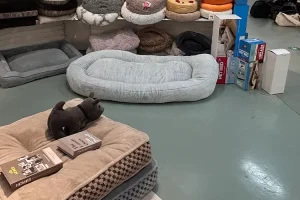
Share
Product Catagory
Recent Articles
Custom Dog Bed Development: From Reference Image to Production
Dog Crate Mat Size Guide for Wholesale & Private Label Buyers
Contact Manufacturer
Introduction
The global cat bed market has experienced steady growth as pet ownership rises and consumers increasingly demand high-quality, comfortable pet products. Cats are now considered family members, and pet owners are willing to invest in premium cat beds that ensure comfort, safety, and durability. For B2B buyers such as brand owners, importers, distributors, and wholesalers, key priorities go beyond aesthetics, they focus on product quality, customization options, and supply chain reliability. This is where Petstar, a professional cat bed and pet bed manufacturer, stands out. With extensive OEM/ODM experience, Petstar supports private label cat beds, custom cat beds, and scalable production for B2B clients worldwide.
In this blog, we will provide an in-depth overview of how cat beds are made, from material selection to production, and highlight how partnering with a professional manufacturer can help you meet market demands efficiently.
The Key Components of a Cat Bed
Creating a high-quality cat bed requires attention to detail in materials, structure, and functionality. Each component plays a role in the comfort, safety, and appeal of the final product.
Materials Selection
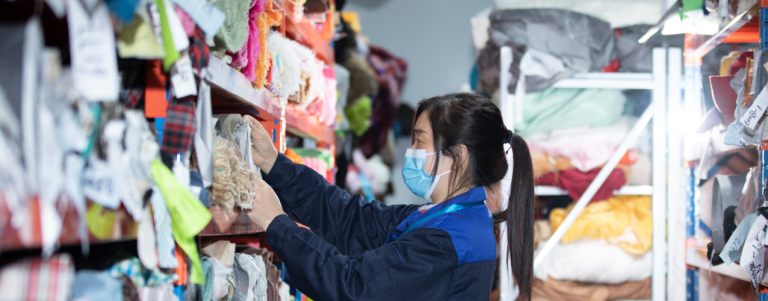
Selecting the right fabrics and filling materials is critical. Common fabric options include soft cotton, plush velvet, Oxford, and self-warming fleece. These materials must be durable, safe, and easy to clean. Filling options such as pp cotton, memory foam, or sponge influence comfort and support. Some custom cat beds also include antibacterial or hypoallergenic properties, providing extra value for consumers.
Structural Design
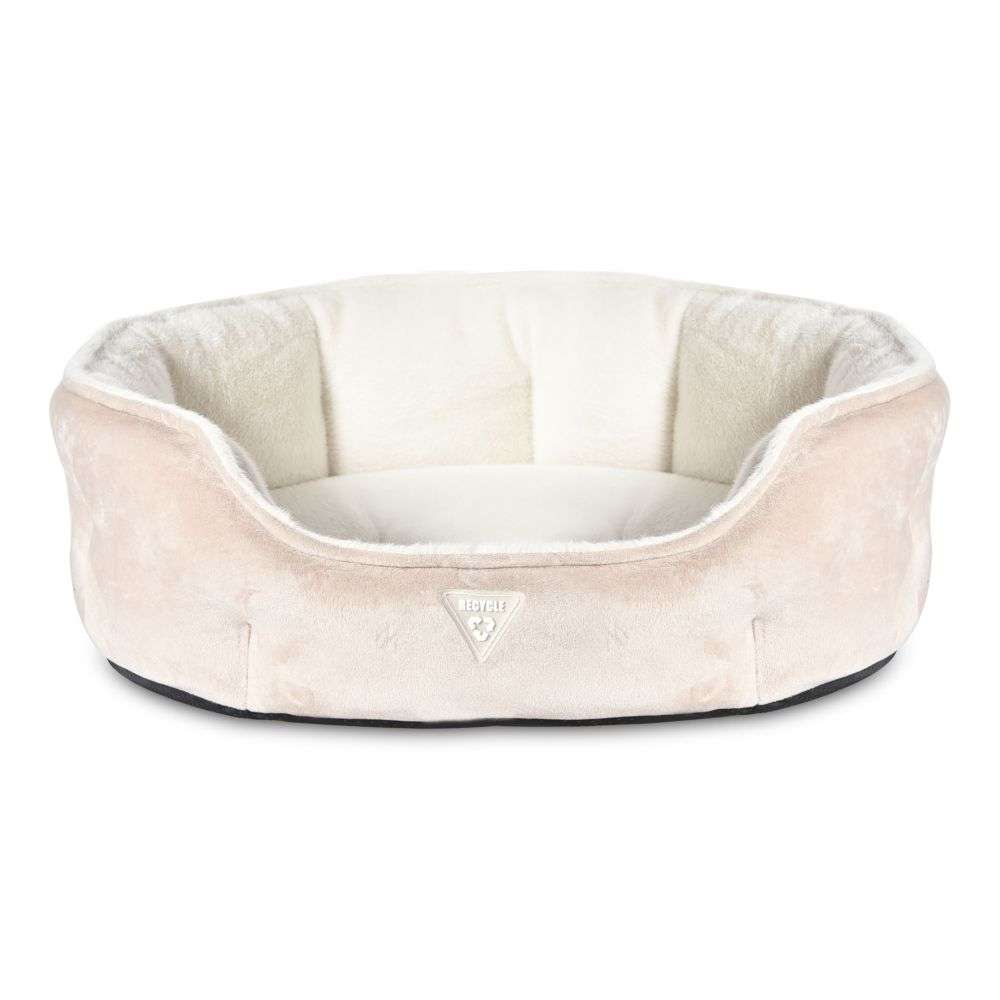
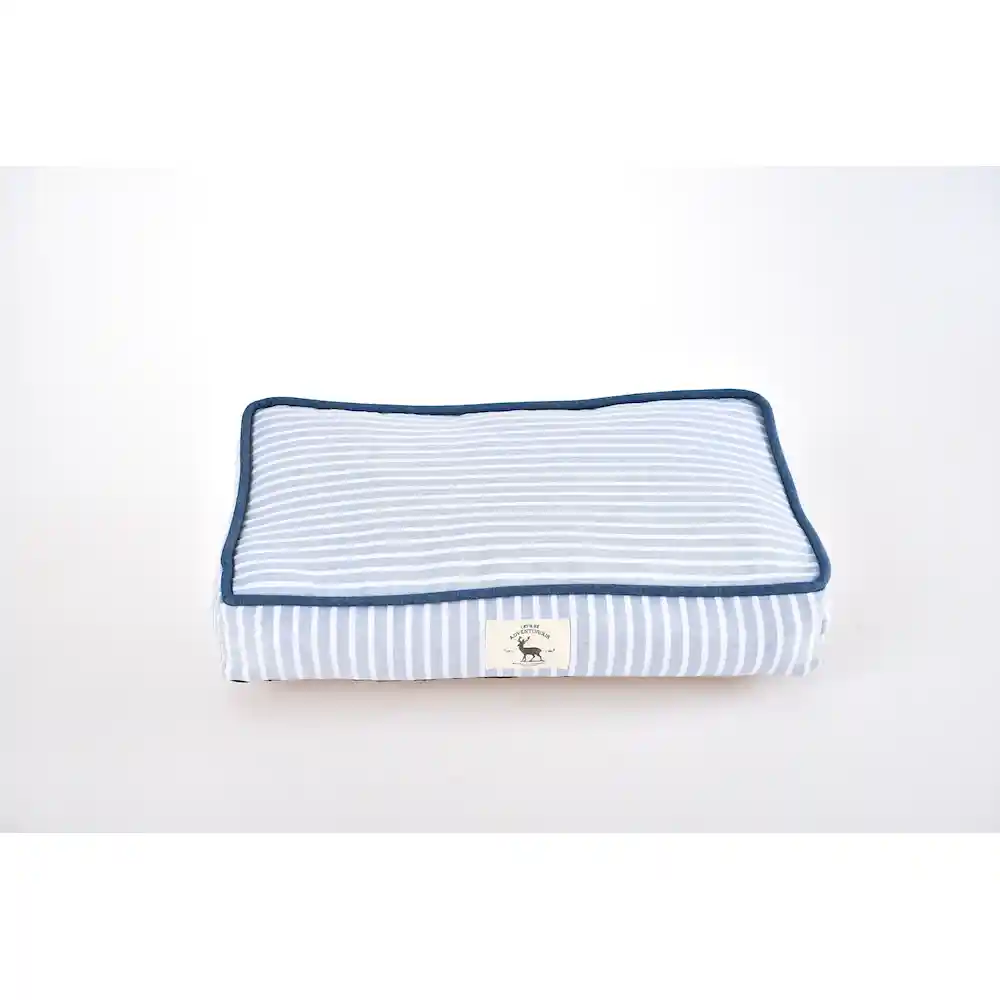
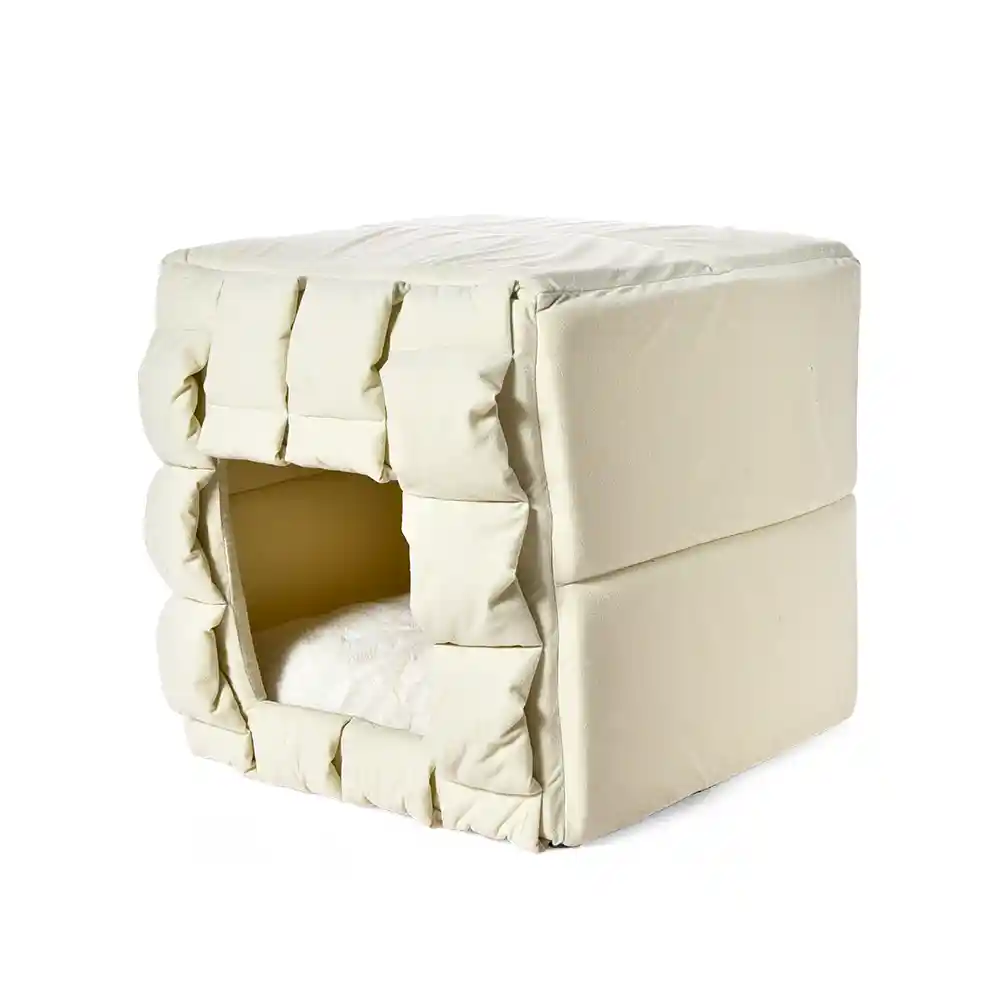
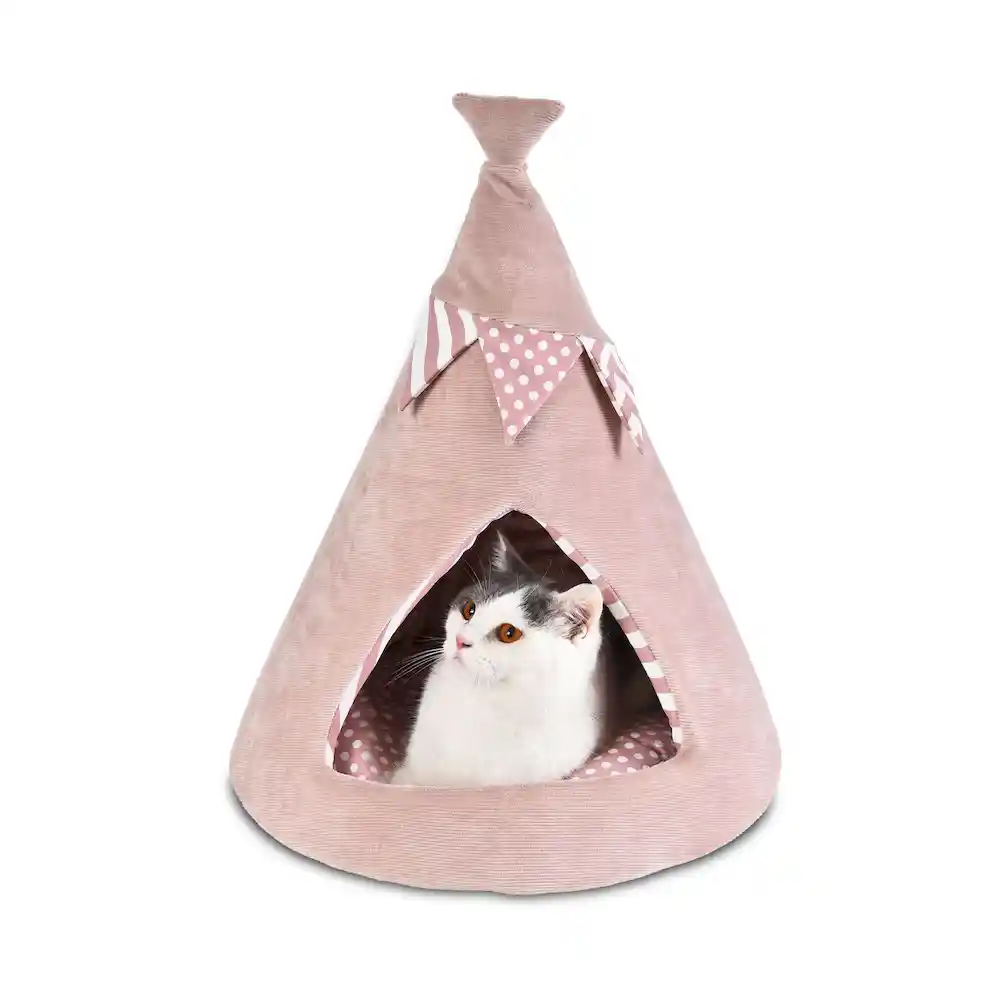
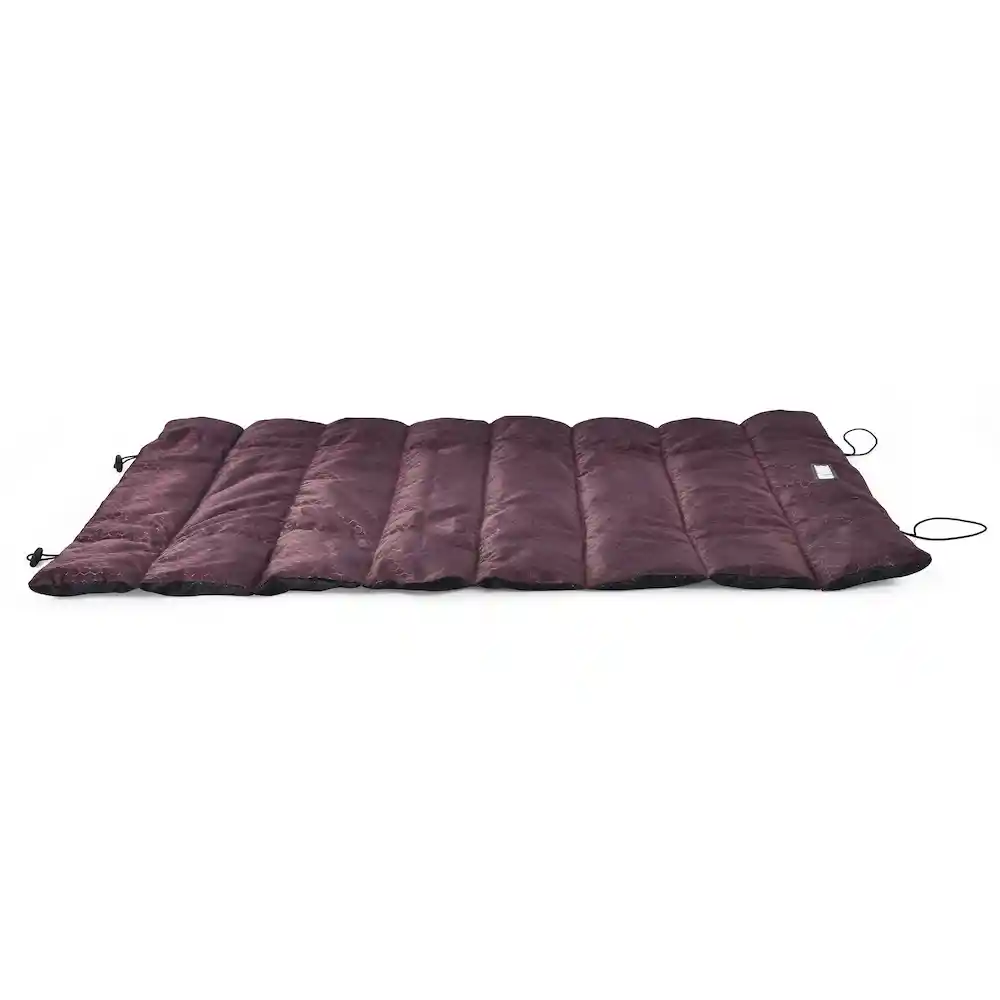
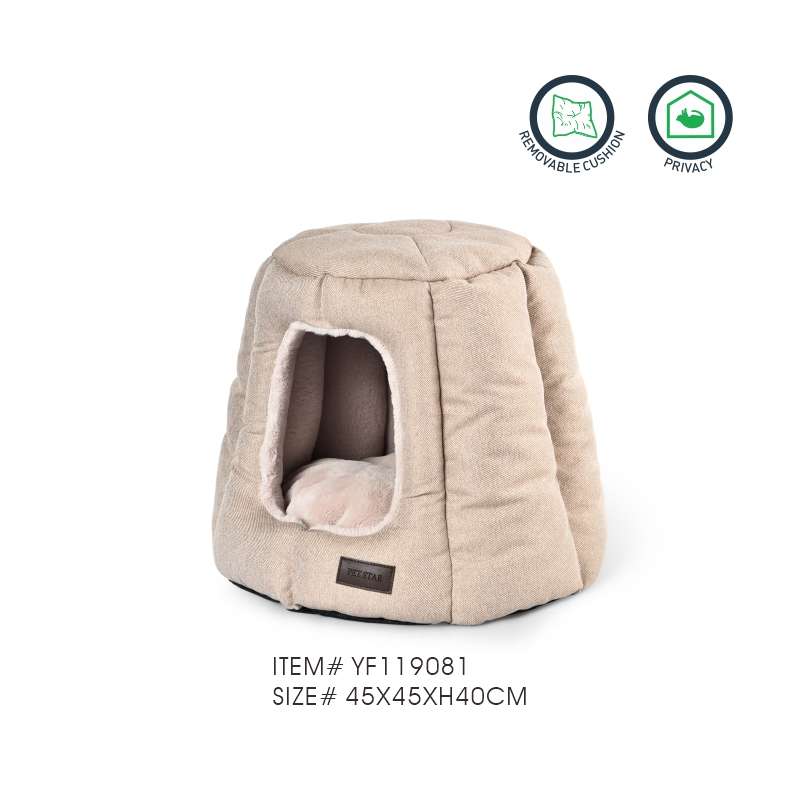
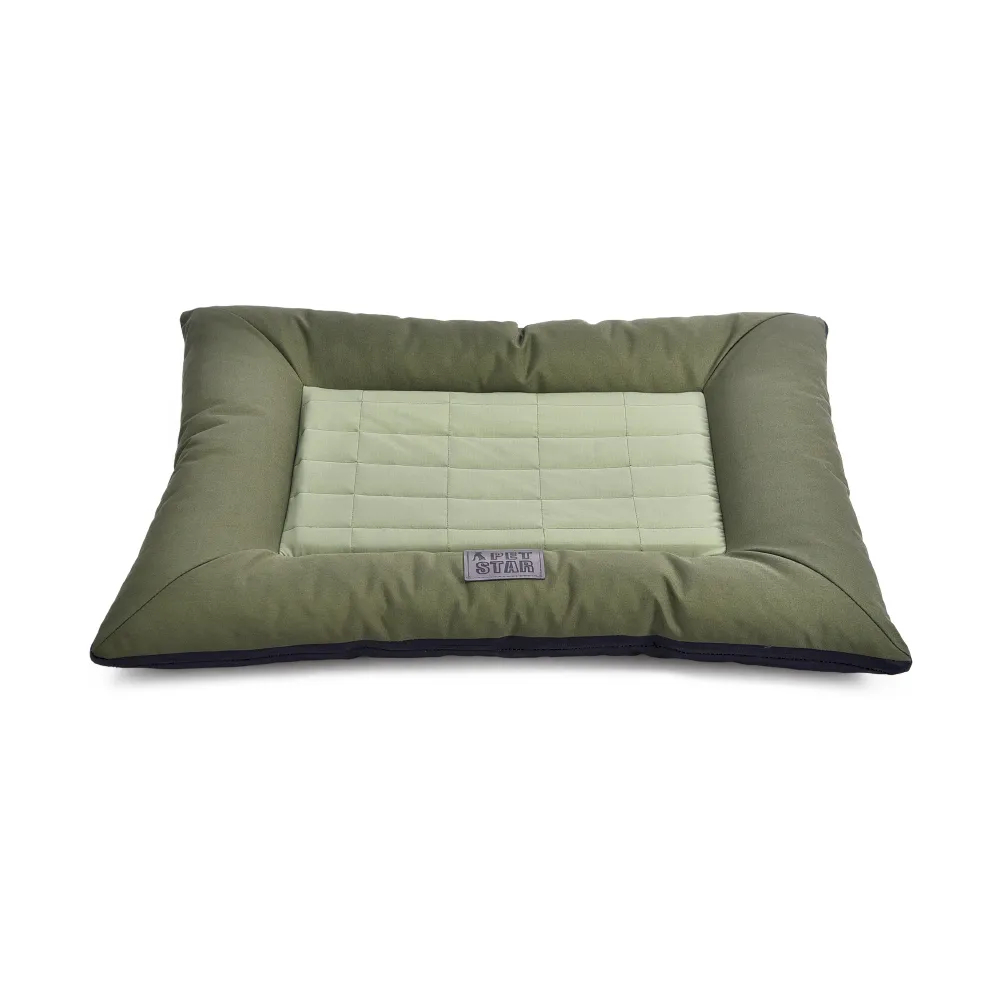
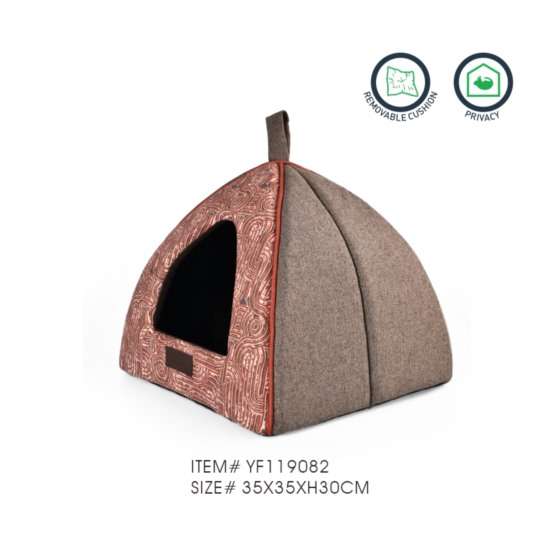
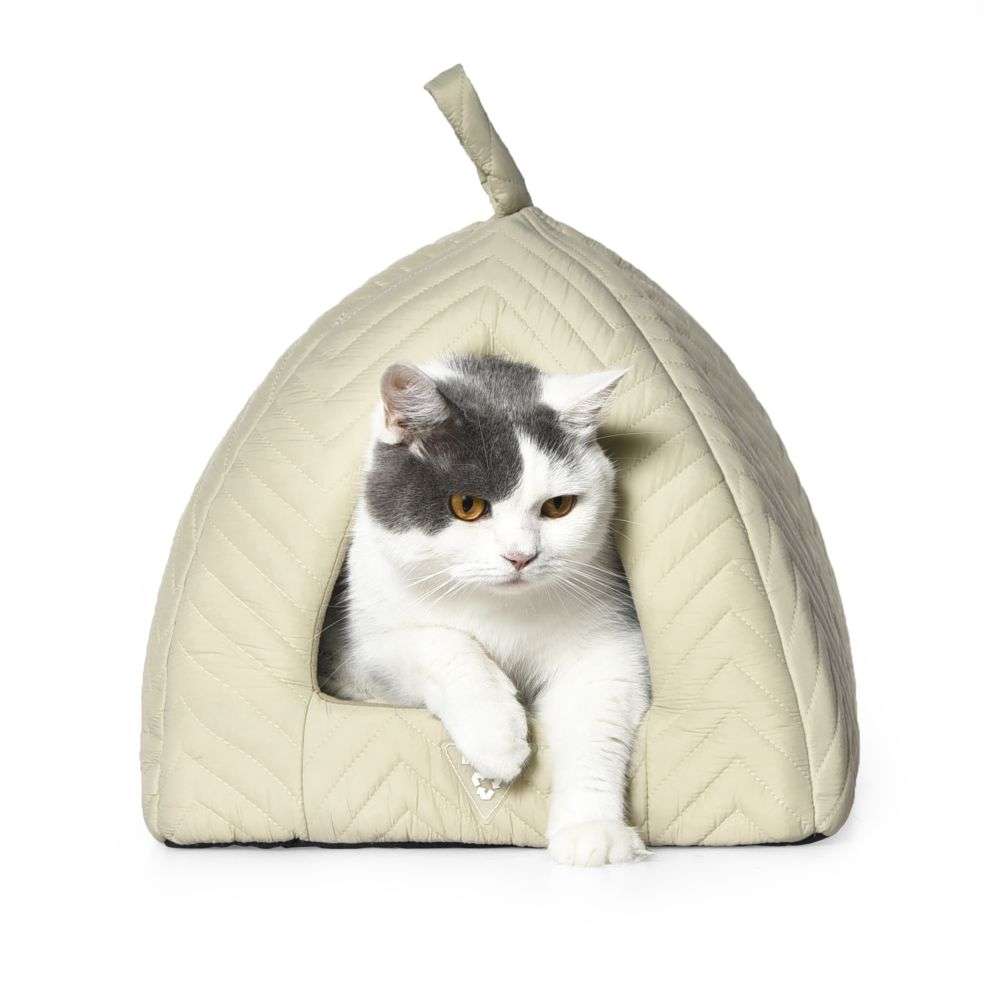
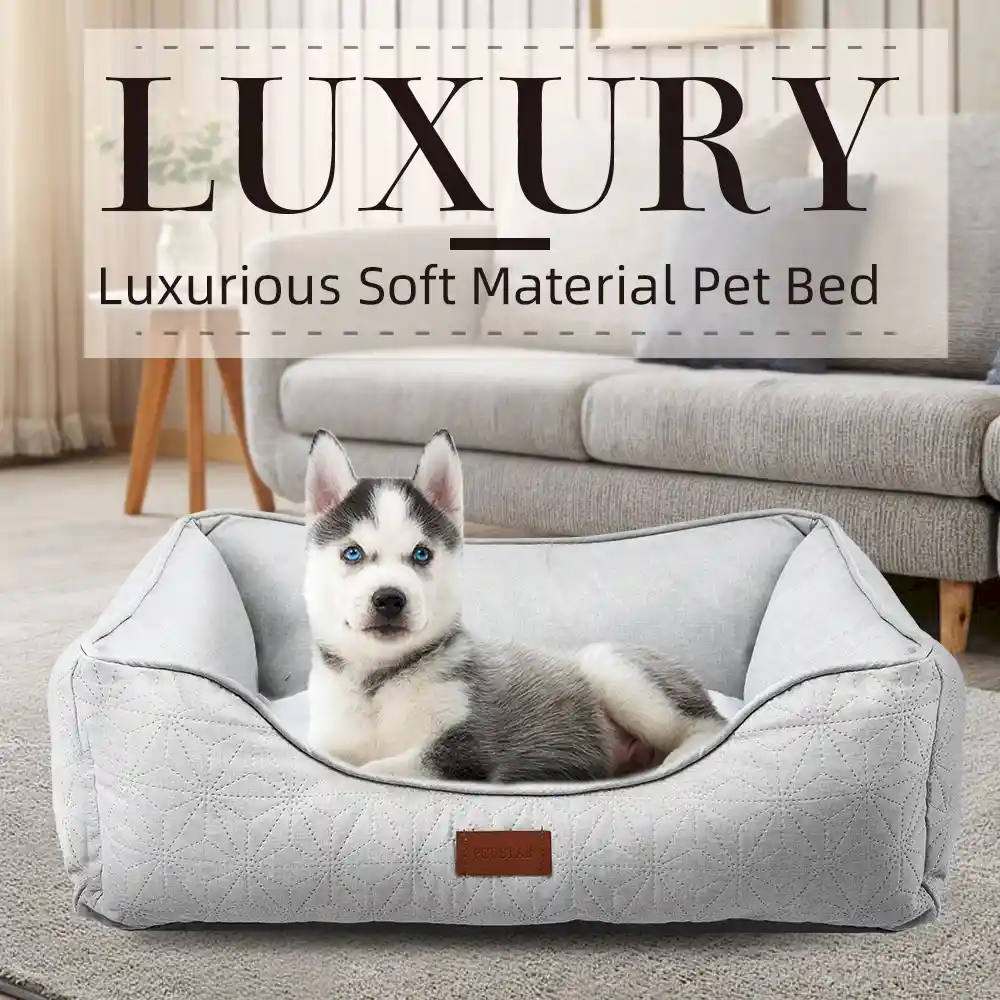
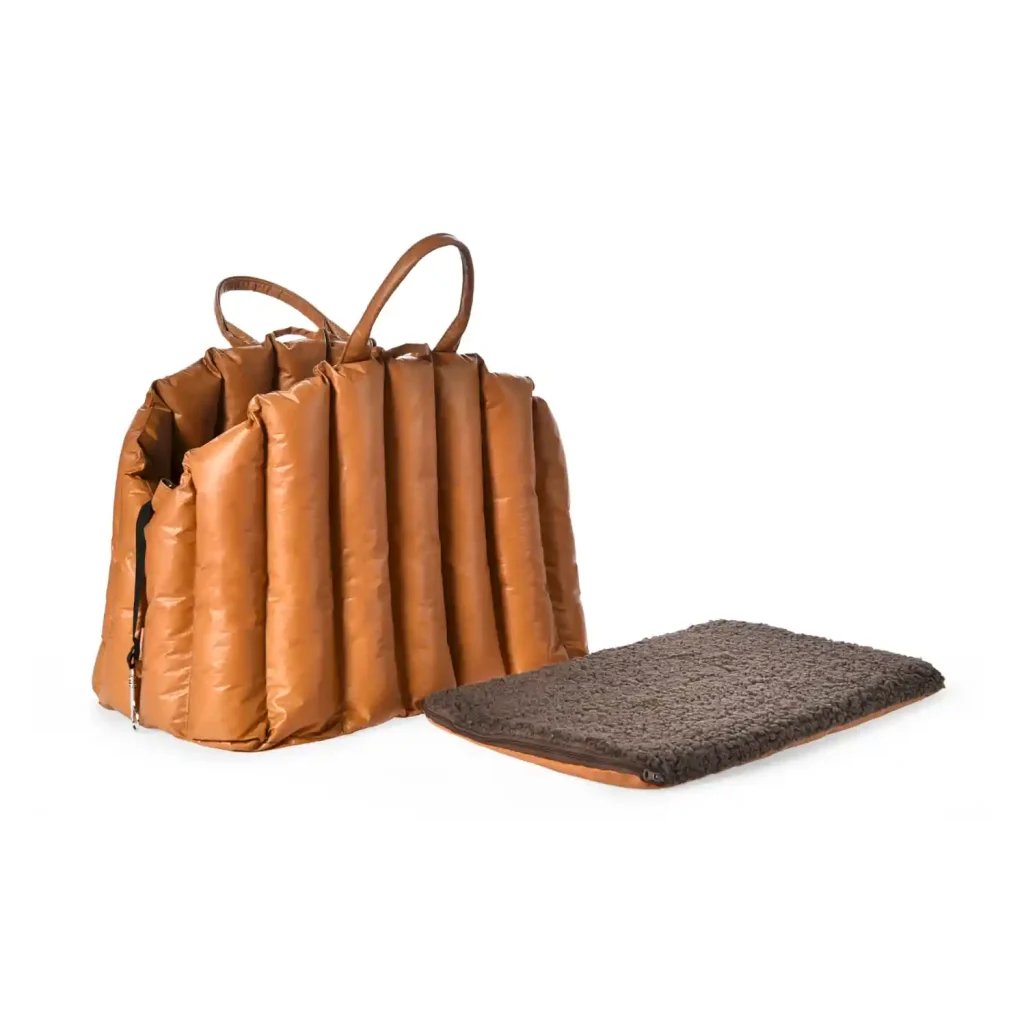
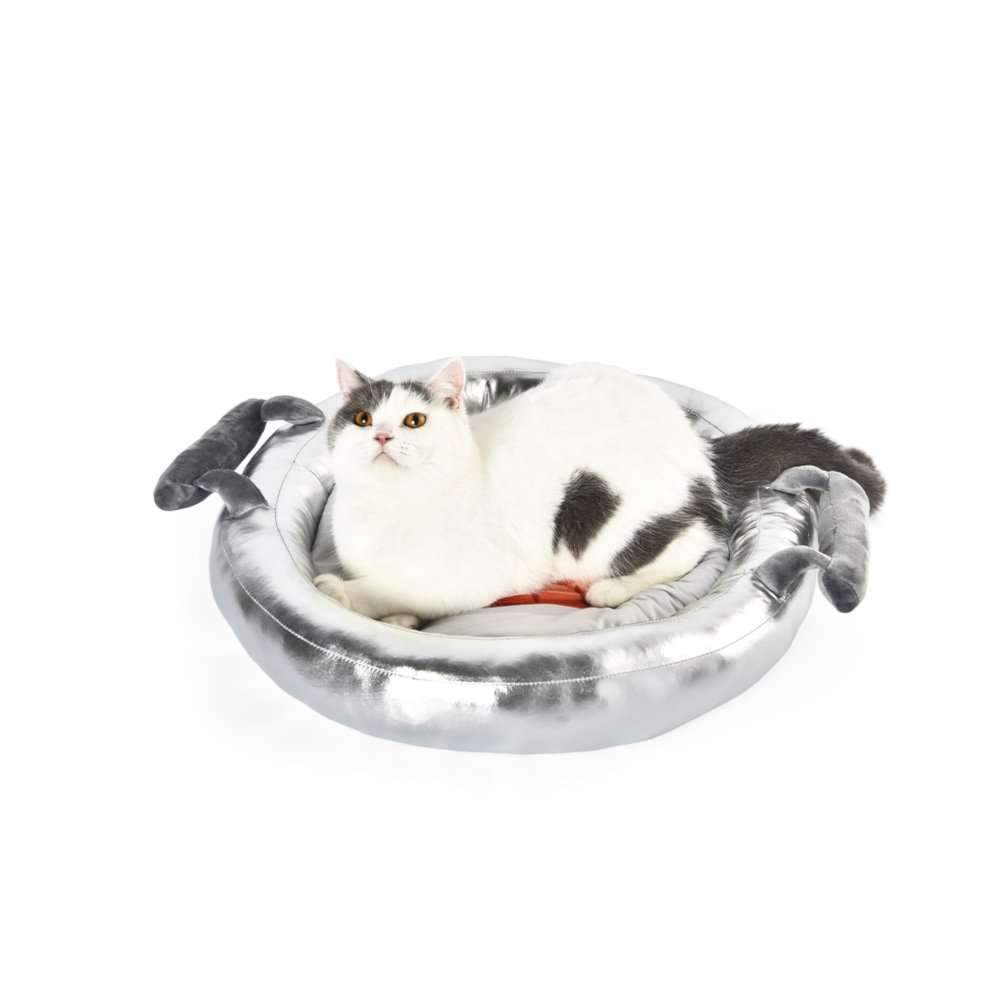
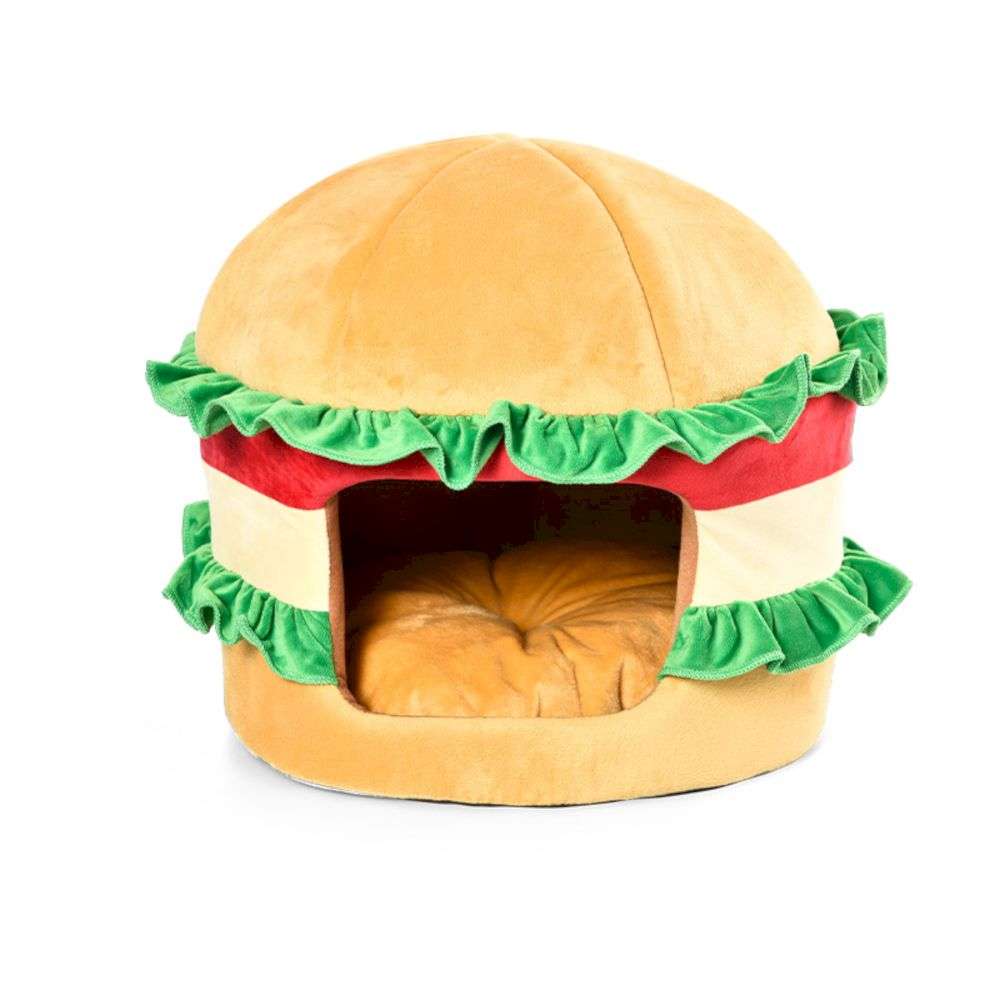
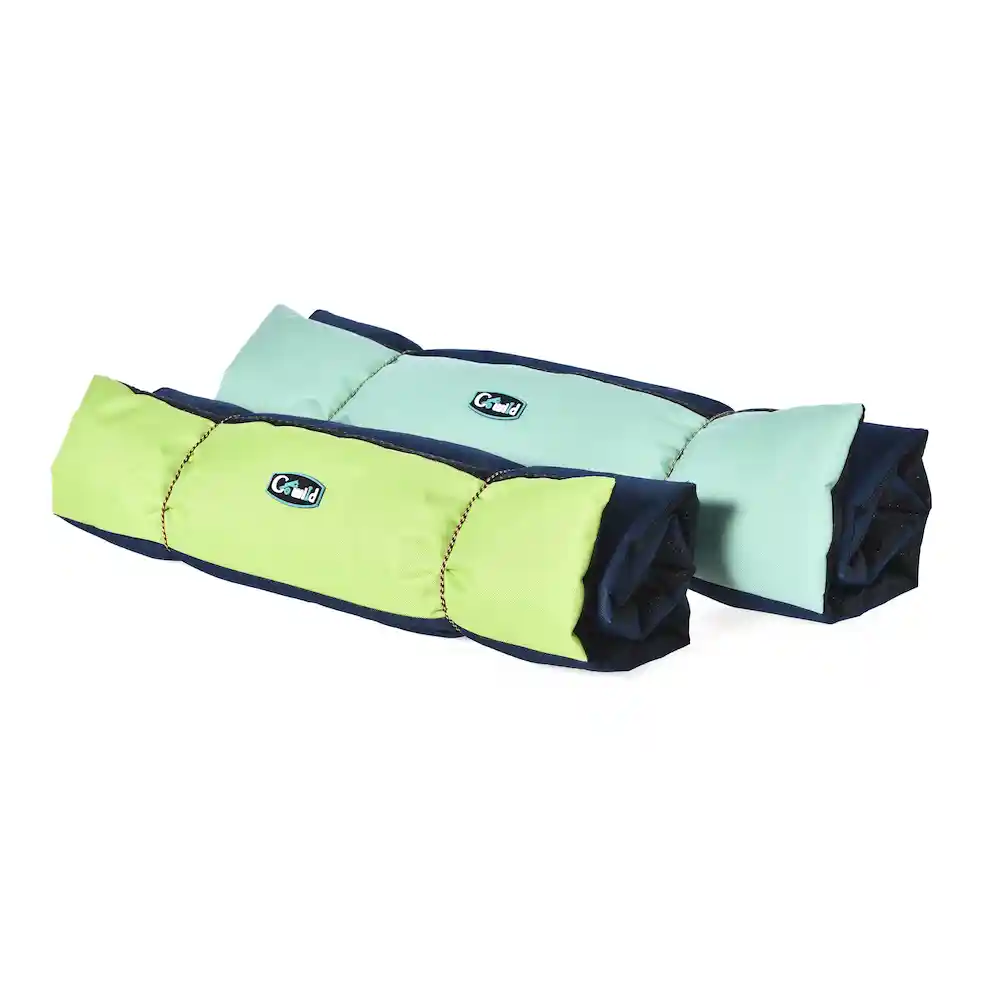
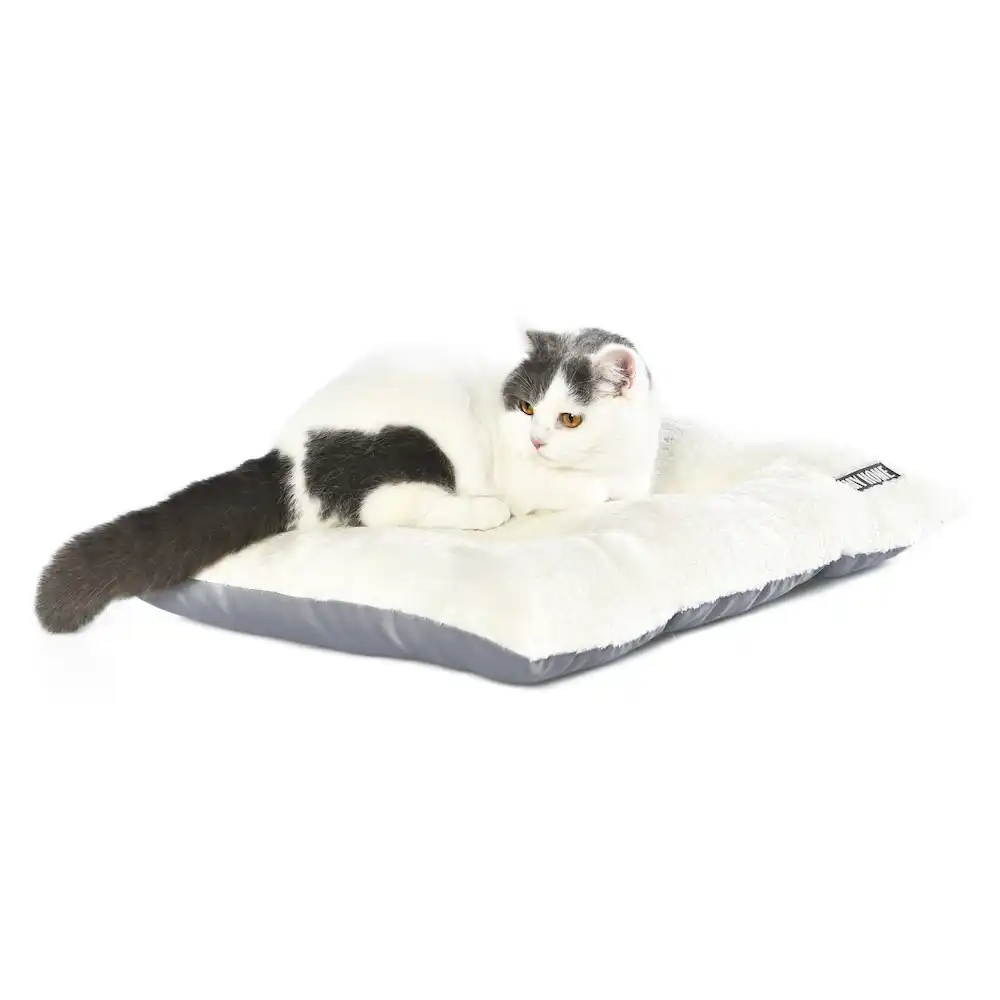
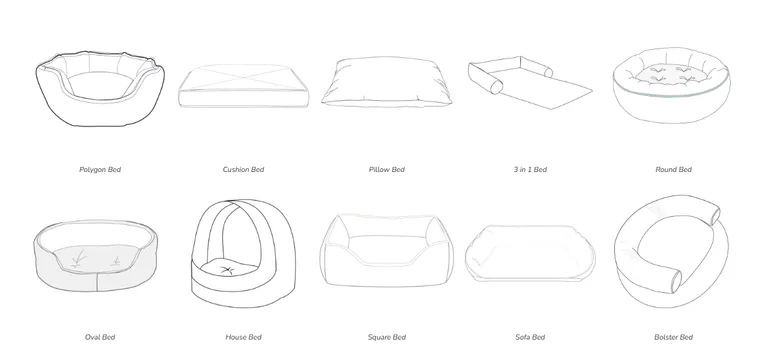
Cat bed designs vary widely, including round, rectangular, oval, cave-shaped, and foldable beds. Each design offers different benefits. Cave-style beds provide a secure, cozy environment for cats, while flat or elevated beds improve airflow and temperature regulation. An anti-slip bottom ensures stability on smooth surfaces and adds a safety feature highly valued by pet owners.
Additional Features
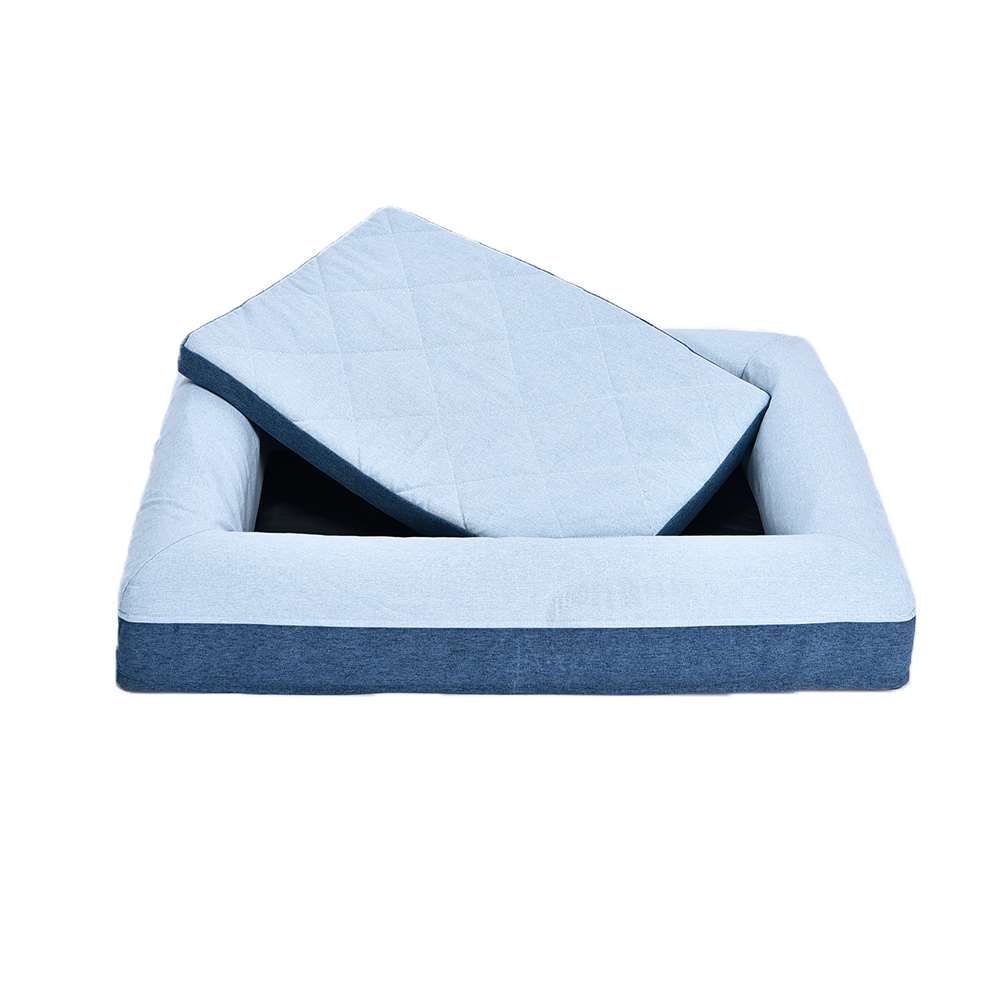
Modern B2B pet products often include functional features such as removable cushions for easy cleaning, optional heating pads, or calming aromatherapy inserts. For brand differentiation, private label cat beds can incorporate custom embroidery, printed patterns, or logo placement. These design elements are especially important for wholesale cat bed buyers who want to offer unique products to their retail clients.
By carefully selecting materials, structural designs, and additional features, a cat bed manufacturer ensures both consumer satisfaction and production efficiency.
How to make a Cat Bed?
Producing a custom cat bed involves several critical stages, from initial design to final packaging. Attention to each step guarantees a product that meets B2B standards and consumer expectations.
Step 1: Design & Prototyping
The production process begins with designing the cat bed. Manufacturers create prototypes based on shape, size, material, and intended functionality. For B2B clients, this stage allows for customization, including colors, patterns, logos, or branding features. Prototyping also enables testing for comfort, durability, and aesthetic appeal before mass production.
Step 2: Material Cutting & Preparation
Once the design is approved, fabric and filling materials are prepared. Precise cutting using templates or automated machines ensures consistency and minimizes waste. Filling is measured to achieve uniform softness and support. Proper material preparation is essential for maintaining high-quality standards and efficient OEM cat bed production.
Step 3: Sewing & Assembly
Skilled workers or industrial machines stitch the fabric components together and insert the filling. Depending on the design, additional elements such as zippers, handles, or anti-slip bottoms are added. Accurate sewing ensures product durability, prevents filling leakage, and maintains the bed’s visual appeal.
Step 4: Quality Control
Every high-quality cat bed undergoes strict quality inspection. Inspectors check stitching, filling distribution, structural integrity, and compliance with safety standards. For B2B buyers, consistent quality reduces returns, protects brand reputation, and guarantees customer satisfaction.
Step 5: Packaging & Branding
Finally, cat beds are packaged for wholesale or retail distribution. Private label cat bed packaging may include custom designs, eco-friendly materials, or branding elements. Proper packaging protects the product during transit and creates a positive impression for retailers and end consumers.
Considerations for B2B Buyers
When sourcing custom cat beds, B2B clients must evaluate several key factors beyond the product itself. Understanding these considerations ensures a successful partnership with a reliable cat bed manufacturer.
Customization Options
Customization differentiates products in a competitive market. Petstar provides full OEM/ODM support, including logos, colors, patterns, and other unique features. This enables B2B buyers to offer private label cat beds that stand out.
Production Capacity & Lead Time
Reliable production capacity and clear lead times are essential. With multiple factories and experienced staff, Petstar can fulfill large orders on schedule, helping wholesale cat bed clients maintain consistent stock levels.
Compliance & Certifications
Safety and environmental compliance are critical for international markets. Petstar uses non-toxic fabrics, eco-friendly processes, and adheres to global safety standards, ensuring peace of mind for B2B buyers.
Supply Chain Reliability
A dependable supply chain ensures production and delivery remain consistent. Petstar offers predictable lead times, scalable production, and quality assurance, making it a trusted pet bed supplier for global B2B clients.
Benefits of Working with a Professional Manufacturer
Partnering with a skilled cat bed manufacturer like Petstar offers many advantages:
- Cost Efficiency: Established production lines reduce costs without compromising quality.
- Quality Assurance: Strict QC protocols ensure every batch of custom cat beds meets standards.
- Customization Flexibility: Supports private label cat beds, color variations, logos, and other custom designs.
- Scalability: Production can scale according to seasonal demand or marketing campaigns.
- Expert Guidance: B2B clients receive advice on materials, designs, and market trends.
Working with Petstar allows B2B buyers to focus on branding and distribution while guaranteeing consistent, high-quality products.
Conclusion
Producing a high-quality cat bed involves careful attention to materials, design, assembly, and quality control. For B2B buyers, understanding the production process and partnering with a professional cat bed manufacturer like Petstar ensures a reliable supply, customization flexibility, and consistent product quality.
In this blog, we have outlined the essential steps of making a custom cat bed, the materials and designs that contribute to comfort and durability, and the advantages of working with a professional pet bed supplier. By choosing Petstar, B2B clients can offer superior private label cat beds, strengthen their brand reputation, and meet the growing demand for high-quality B2B pet products.
If you are looking for a trusted OEM cat bed manufacturer with flexible customization and strong production capacity, Petstar is ready to provide custom cat beds that align with your brand vision and satisfy your customers’ needs.
Related Blogs
- The 5 Best Cooling Pet Beds for Hot Weather
- Top 10 Trendiest Camping Dog Beds You Can’t Miss
- The 5 Best Elevated Dog Beds for Improved Airflow
- 7 Best Dog Beds Brands Of 2025
- The Best Memory Foam Pet Beds: Top 5 Picks for Ultimate Comfort
- What kind of orthopedic dog bed do veterinarians recommend?
- What type of blanket is best for dogs?
- Are Taller Cat Trees Better? A Practical Guide for Buyers
You Might Also Like