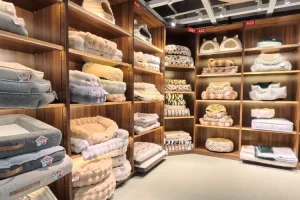
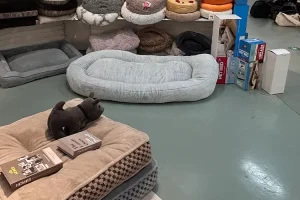
Interzoo 2026 once again confirmed its position as one of the most influential global trade shows in the pet industry. With more than 2,400 exhibitors from nearly 70 countries, the exhibition reflected not only product innovation, but also the rapid evolution of procurement strategies, sustainability expectations, and volumetric logistics challenges across the global pet market.
On-site commercial reviews reveal several definitive macro trends shaping the European and international pet bedding sector. From high-performance cooling structures to specialized volume-reduction engineering, commercial buyers are no longer merely comparing base factory quotes. They are evaluating long-term supply chain stability, technical compliance, and specialized manufacturing depth.
1. Sustainability Has Become a Core Sourcing Requirement
One of the most significant structural shifts at Interzoo 2026 was the non-negotiable status of ecological compliance in commercial procurement. European distributors, particularly from Germany, the Netherlands, and the UK, enforced rigid criteria regarding recycled fabric origins, chemical safety testing, and localized carbon footprint reduction.
Unlike historical trade cycles where eco-friendly attributes served merely as a secondary marketing layer, procurement managers in 2026 analyze sustainability as a baseline entry requirement. Sourcing focus for sustainable pet products has shifted heavily toward technical bio-based textiles applied to private label carrier bags, pet apparel, and high-performance dog bed covers, prioritizing the following parameters:
- USDA CERTIFIED BIOBASED PRODUCT Enforcement: Active integration of advanced bio-based textile technologies such as Sorona polymer fabrics.
- Carbon Footprint Mitigation: Utilizing technical fibers engineered to use less petroleum, save manufacturing energy, and directly reduce greenhouse gas emissions.
- Chemical Safety Assurances: Strict verification of OEKO-TEX Standard 100 non-toxic material certifications for face fabrics.
- Volumetric Optimization: Utilizing correct vacuum-packaged shipping methods to eliminate global transport CBM waste and reduce maritime transit footprints.
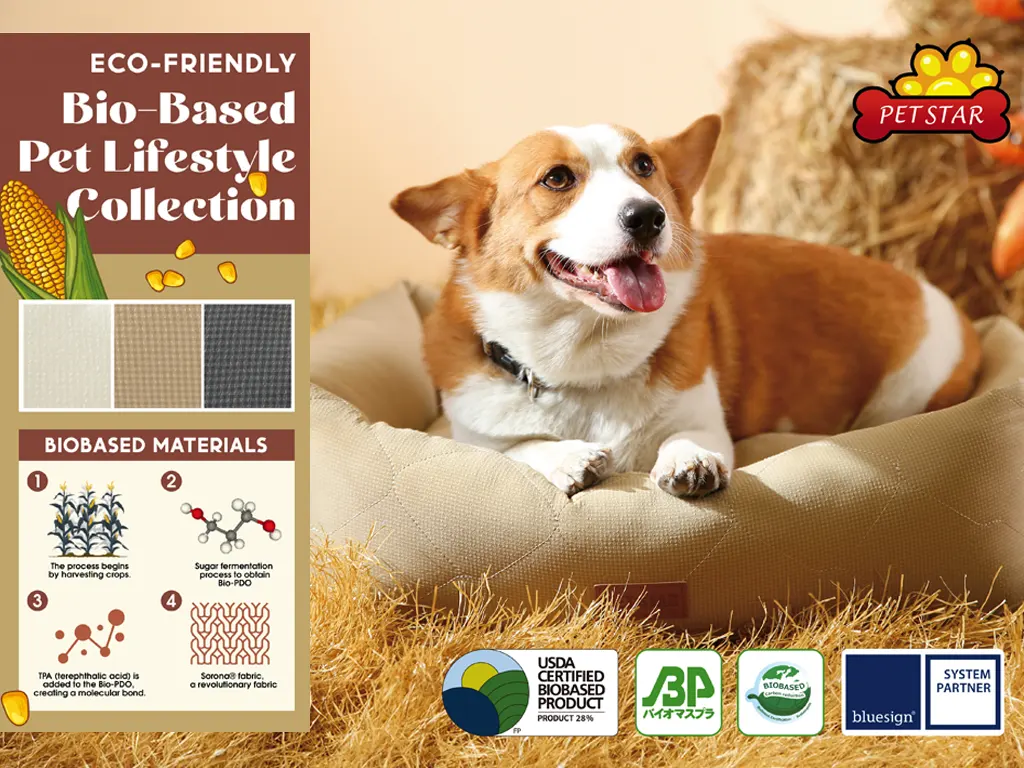
Consequently, certified bio-based water-resistant covers engineered for true ecological compliance received significantly higher inquiry volumes compared to traditional low-density plush bedding. For major European enterprise accounts, minimizing raw material carbon footprints is now directly integrated into corporate environmental auditing mandates.
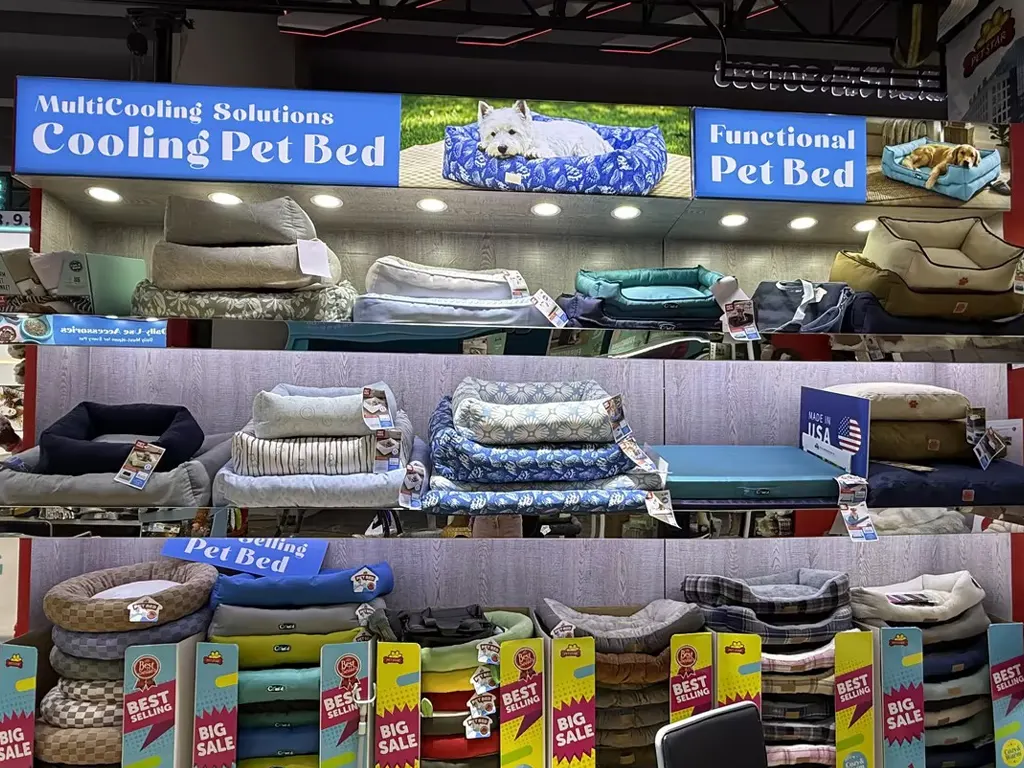
2. Cooling Orthopedic Pet Beds Dominate High-Margin Categories
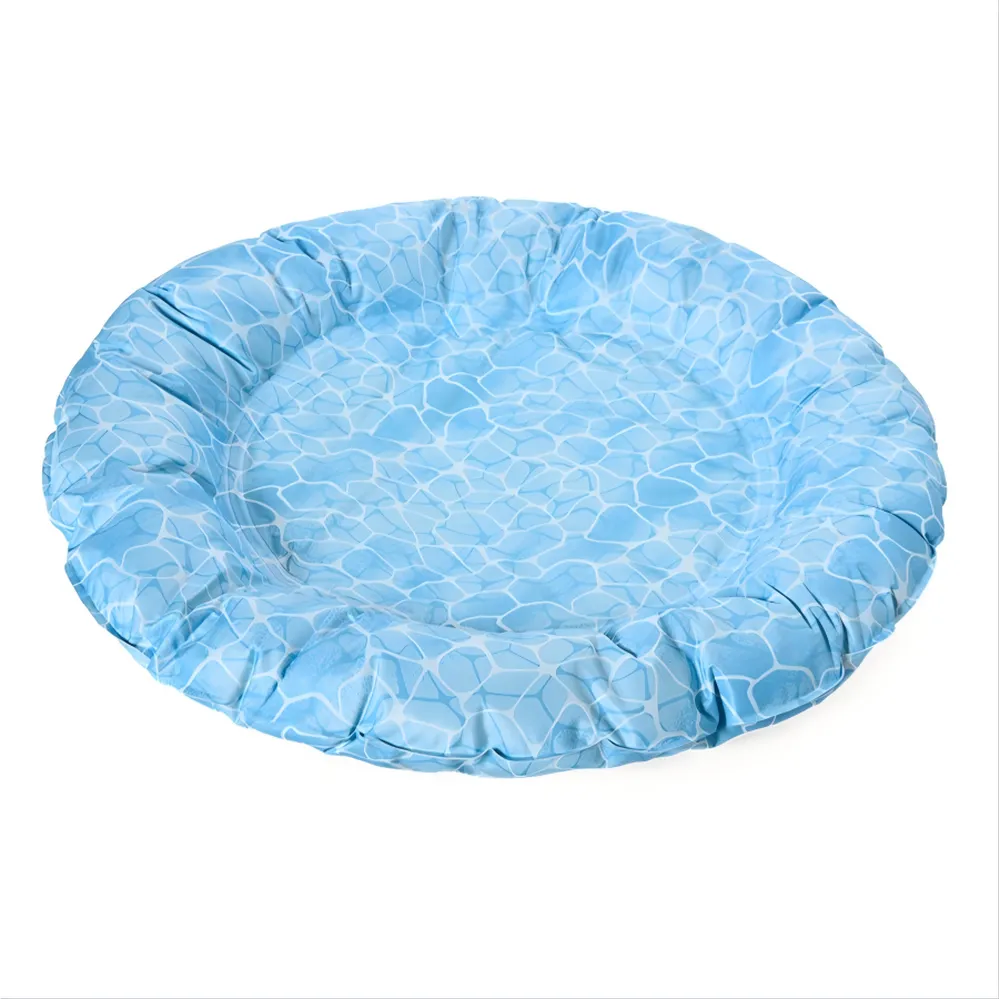
Advanced thermal regulation combined with anatomical joint support emerged as the fastest-growing category at Interzoo 2026. Sourcing agents noted that modern consumers demand multi-functional bedding capable of resolving heat retention while mitigating joint stress in aging canine demographics.
High-density cooling orthopedic dog beds employing open-cell configurations, self-cooling contact fabrics, or gel-infused memory foam generated intense commercial interest among Amazon FBA sellers and tier-one European pet chains. This demand stems directly from consumer dissatisfaction with traditional memory foam configurations that trap body heat during seasonal spikes. As a result, commercial product development is shifting toward composite layer engineering including:
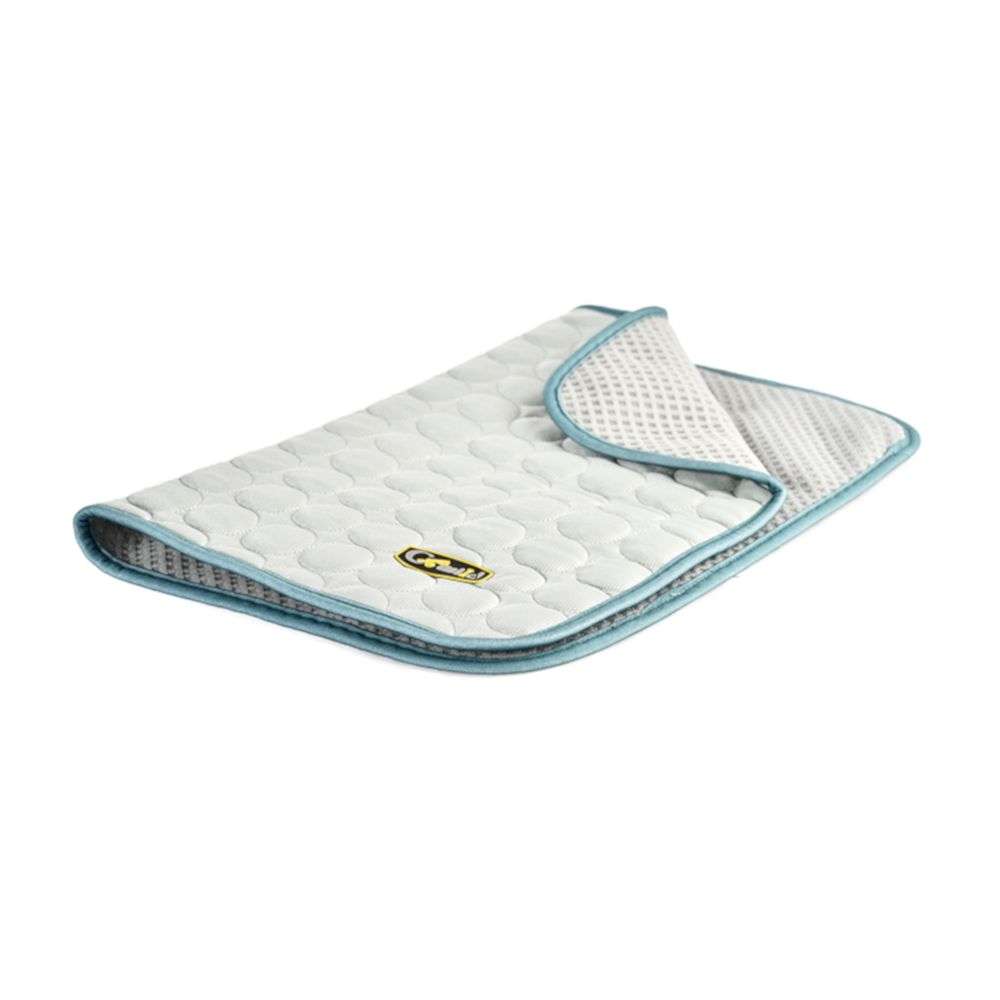
- Thermodynamic ice-silk contact covers
- High-ventilation 3D air mesh perimeter panels
- Gel-infused memory foam bases
- Fully washable 4D Air Fiber support structures
Sourcing authorities increasingly seek detailed verification regarding what makes a dog bed truly orthopedic, prioritizing verified foam density metrics over unscientific total thickness claims.
3. International Importers Prioritize Rigid Quality Infrastructure
A recurring topic among enterprise buyers throughout Interzoo 2026 was the absolute necessity of supply chain reliability. Multiple international brands detailed systemic operational losses incurred from unverified suppliers who failed to maintain product uniformity across repeat bulk shipments.
Inconsistent density tolerances, premature seam degradation under compression, and unpredictable lead times were cited as primary catalysts for switching vendors. For global distributors, evaluating an orthopedic dog bed manufacturer now requires deep verification of internal factory quality frameworks rather than a simple price audit. B2B contract allocation is heavily dependent on a factory's ability to demonstrate:
- Enforcement of rigorous incoming material quality control (IQC)
- Sustained high-volume production output during peak seasonal shifts
- Contractually guaranteed bulk production lead times
- Agile R&D departments capable of delivering rapid prototyping
Comprehensive OEM versatility and verified technical proficiency have surpassed low-margin pricing as the primary selection criteria for long-term supply chain partnerships.
4. Vacuum Compression Packaging Reshapes Maritime Pet Logistics
Volumetric freight inflation and rising last-mile handling surcharges remain the most critical cost bottlenecks for oversized pet products. To insulate retail gross margins against these operational expenses, Interzoo 2026 buyers systematically prioritized factories with sophisticated volume-reduction technology.
Procurement teams focused on matching the exact mechanical compression methodology to the internal bedding material. Solid memory foam lines dictate clean Vacuum Flat Packed vertical pressing to preserve open-cell geometry and prevent boundary warping. Conversely, loose polyester fiber-filled products move directly to Vacuum Roll Packed cylindrical processing to maximize container CBM optimization.
Enterprise buyers remain highly cautious regarding irreversible deformation caused by long-transit compression on low-density foam cores. For a comprehensive overview of engineering transit survival ratios and reducing dimensional weight freight penalties, review the technical guide to optimizing vacuum packed orthopedic dog beds.
5. Human-Size Formats and Interior-Blended Aesthetics Move Mainstream
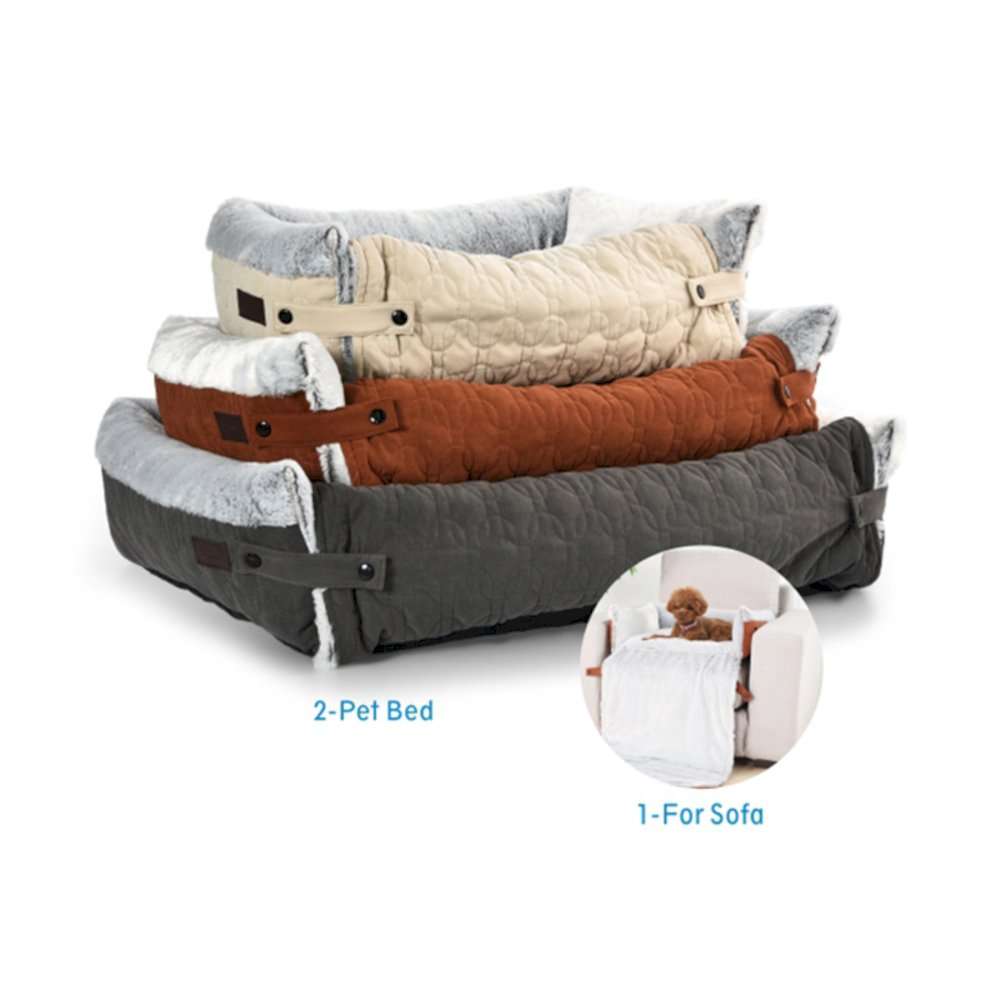
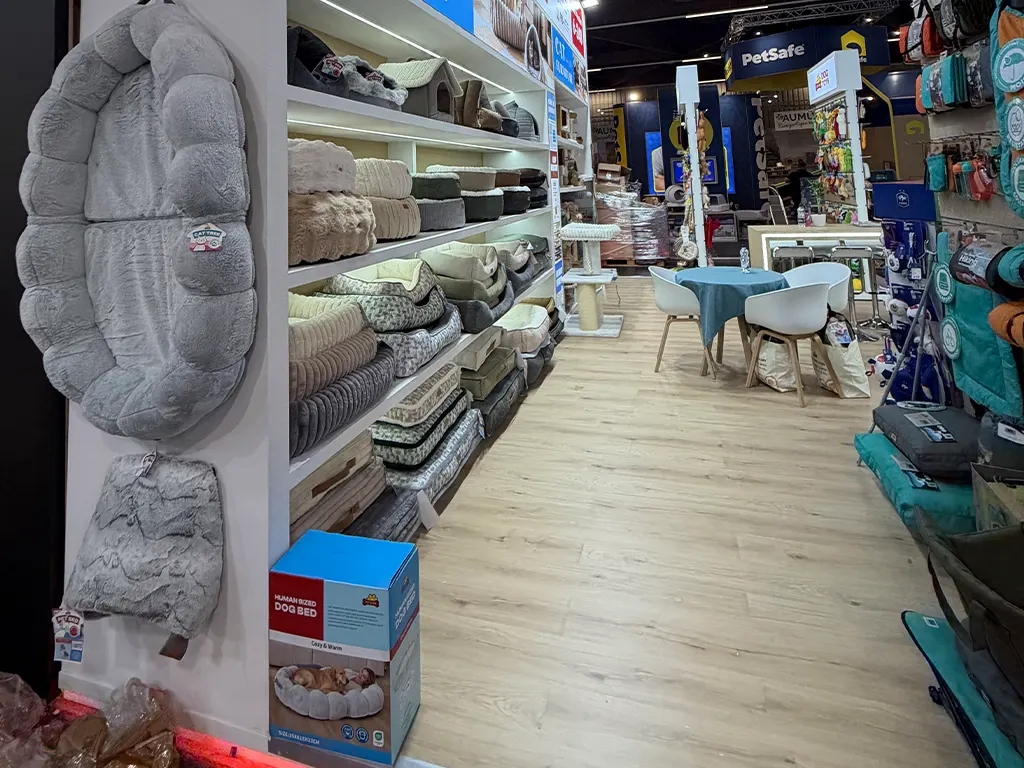
The humanization of companion animals was vividly apparent at Interzoo 2026, manifested through a surge in interior-blended lifestyle pet furniture and oversized human-size dog beds. European retail buyers actively sourced high-appearance premium beds that integrate seamlessly into contemporary residential interior architecture.
Multifunctional, sofa-grade fabric selections, and expansive human-and-pet shared formats attracted significant trade traffic. This design trajectory dictates that modern pet bedding is no longer procured as a low-cost floor accessory, but rather as an upscale piece of residential furniture requiring heavy-duty textile engineering and premium aesthetic value.
6. Chew-Resistant Engineering Captures Premium Retail Segments
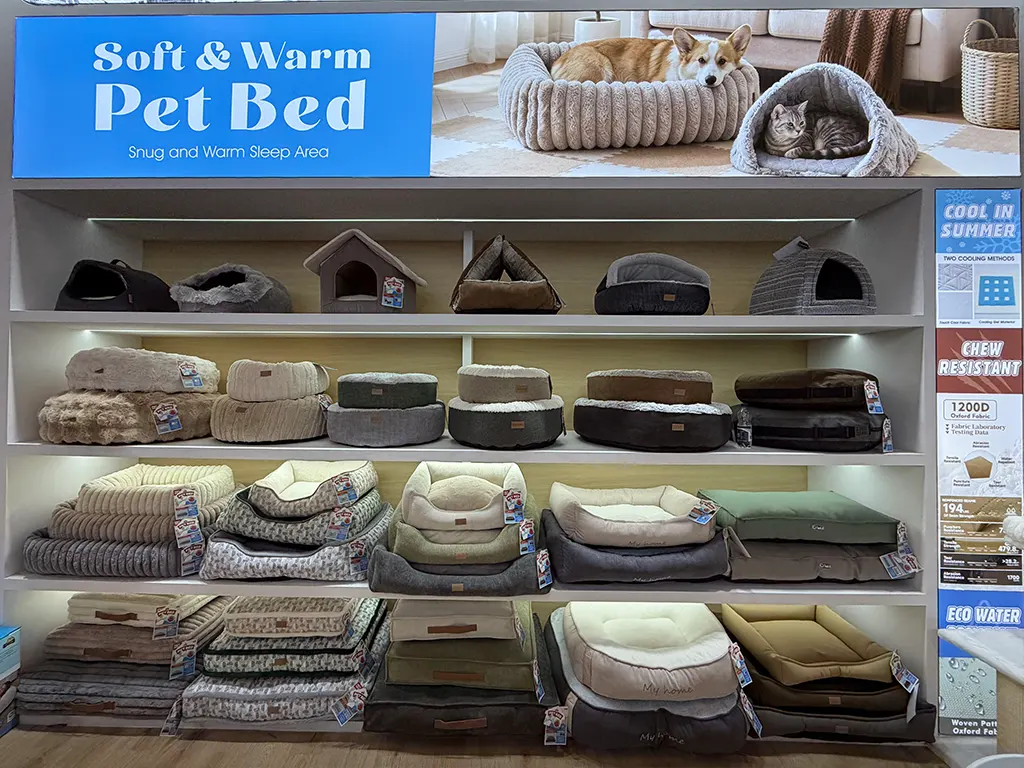
Product longevity and structural resistance to destructive canine behavior remain core priorities for traditional brick-and-mortar pet retail chains. High-durability lines utilizing heavy-duty 1200D Oxford fabrics and specialized seam reinforcements captured substantial interest from buyers intent on lowering consumer return rates and maximizing retail product lifecycles.
Within the 2026 landscape, premium chew resistant pet beds are evaluated strictly on empirical laboratory testing rather than marketing claims. Industrial buyers at Interzoo analyzed verified material performance metrics capable of withstanding severe physical wear:
- Reinforced Seams Integrity: Engineered stitch configurations delivering a documented 194 lbs of seam strength to prevent destructive pulling.
- Puncture Resistance (TUV Internal Testing Method): Fabric matrix capable of resisting up to 754.9N of concentrated localized pressure.
- Tear Resistance (ASTM D5034-2021/2025): High-density weave delivering verified resistance tolerances greater than 28.2 lbf.
- Tensile Strength (ASTM D5034-2021/2025): Ultimate material breaking strength reaching 674 lbf in the Warp profile and 479.8 lbf in the Weft profile.
- Abrasion Resistance (ASTM D3884-22): Heavy-duty surface integrity surviving over 1,700 continuous friction cycles before fiber degradation.
Possessing documented ASTM and TUV laboratory resistance tolerances elevates these models from standard pet padding into commercial-grade retail inventory. For independent retail networks and international premium distributors, these verified metrics are essential for lowering product liability claims and guaranteeing long-term consumer satisfaction.
Final Thoughts: A More Specialized and Quality-Driven Global Market
Interzoo 2026 has clearly demonstrated that the international pet bedding market has transitioned into a highly specialized, quality-first era. Global brand owners and distributors have abandoned the pursuit of low-spec, uncertified products in favor of strategic manufacturing transparency.
Success in securing major distribution contracts requires working with a certified dog bed manufacturer that embeds advanced mechanical manufacturing pet beds workflows and rigorous, documented pet bed quality management into every SKU. Moving toward 2027, the commercial winners will be determined by precision material engineering, sustainable supply compliance, and advanced vacuum logistical design.
Interzoo 2026 Sourcing Insights: FAQ
What were the most frequent supply chain inquiries from European buyers at Interzoo 2026?
The majority of volume buyers—predominantly from Germany, the UK, the Netherlands, and the USA—focused their sourcing audits on four critical pillars: Minimum Order Quantities (MOQ), international factory certifications, verified sustainability credentials, and scalable factory production capacity. With international freight inflation remaining a primary industry complaint, buyers explicitly prioritized partners capable of combining strict quality management with advanced compression packaging to mitigate shipping costs.
How are international pet brands addressing previous supplier quality inconsistencies and delivery delays?
Multiple enterprise buyers at Interzoo 2026 reported severe disruptions from previous vendors who failed to maintain stable production quality, resulting in inconsistent product batches and severe supply chain delays. To eliminate these operational risks, buyers are shifting toward manufacturers with verified OEM capability, rapid product development, and fast sampling workflows. Buyers heavily recognized our comprehensive product design, custom packaging design, and robust factory production capacity as the benchmark for securing long-term, stable mass production.
What specific material standards and laboratory metrics defined the premium pet bedding trends at the exhibition?
While the exhibition showcased an array of eco-friendly bio-based pet products, travel backpacks, and smart electronic tech (such as health-monitoring wearables and AI interactive toys), our dedicated pet bedding matrix captured intense traffic by aligning with the three dominant macro trends of 2026: cooling fabrics, sustainability, and orthopedic support. For high-margin channels, buyers demanded heavily documented structural durability, focusing on specific niche configurations:
- Chew Resistant Pet Beds: Engineered with heavy-duty 1200D Oxford fabric delivering a reinforced seam strength of 194 lbs, a puncture resistance of 754.9N (TUV internal testing method), a tear resistance greater than 28.2 lbf (ASTM D5034), a tensile strength of 674 lbf (Warp) and 479.8 lbf (Weft), and surviving 1,700 continuous cycles under ASTM D3884-22 abrasion testing.
- Thermodynamic & Eco Series: High-performance cool pet bed models, eco water-resistant pet beds, and the rugged Go Gear series designed for outdoor transit stability.
- Lifestyle Furniture Fusion: High-appearance, multi-material lifestyle beds and viral human size dog beds reflecting the surging market acceptance for premium eco-material price premiums and pet humanization.
Why did vacuum compression packaging emerge as a mandatory requirement for sustainability-focused buyers?
At Interzoo 2026, buyers highly scrutinized the intersection of eco-friendly sourcing and maritime logistics. High-volume buyers stated that uncompressed oversized dog beds are no longer commercially viable due to container space waste. To satisfy both strict carbon-reduction mandates and shipping cost controls, buyers required verified vacuum-packed and roll-packed engineering. Matching Vacuum Flat Packed processing for solid memory foam and Vacuum Roll Packed processing for polyester fiber-filled beds allows global brands to maximize container CBM while ensuring the filler materials suffer zero cell-wall fatigue during long-term transit storage.