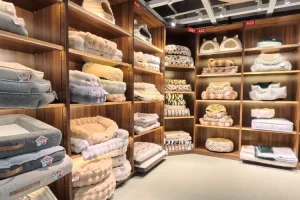
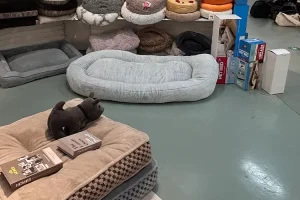
Selecting the right materials for pet beds is a critical aspect of productie van bedden voor huisdieren. The materials used directly influence product quality, durability, and ultimately, customer satisfaction. For B2B buyers, understanding the nuances of pet bed materials is essential for meeting market demands and ensuring that the products resonate with their target audience. This article aims to guide B2B buyers in selecting the appropriate materials for their pet bed offerings, focusing on various options and considerations to enhance their product line.
Executive Sourcing Summary: Sourcing pet bed materials for high-volume B2B distribution requires balancing physical durability, safety compliance, and ocean freight packaging density. Key industrial parameters include fabric weight (GSM), Martindale abrasion resistance (ISO 12947), chemical safety (REACH/OEKO-TEX Standard 100), and foam Indentation Load Deflection (ILD). Selecting the right combination of outer shells and core fillings directly dictates landed margins and post-unboxing recovery performance.
Understanding Different Types of Materials
Fabric Options
Jacquard
Jacquard fabric is known for its intricate patterns and textures, woven directly into the fabric rather than printed. Pet beds made by jacquard are durable and often made from cotton or synthetic fibers, providing both comfort and style. Jacquard dog beds not only enhance the aesthetic appeal of pet spaces but also offer a soft, breathable surface for pets. The strong weave helps resist wear and tear, making it a popular choice for pet owners seeking longevity in their pet products.
Oxford
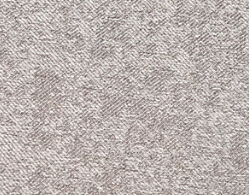
Oxford fabric is a sturdy, tightly woven material often made from polyester or nylon. Its durability and resistance to abrasions make it ideal for outdoor or high-traffic dog beds. Oxford is also water-resistant, which is beneficial for easy cleaning and maintenance. This material is lightweight, making it suitable for portable dog beds, while its variety of colors and patterns allows for customization, appealing to pet owners looking for both functionality and style.
PV Pluche
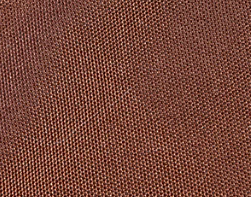
PV Plush is a synthetic fabric known for its soft, plush texture that mimics the feel of real fur. It provides exceptional comfort for pets, making it a popular choice for luxury dog beds. PV Plush is also easy to clean and resistant to fading, ensuring that the beds maintain their appearance over time. This material is ideal for creating cozy, inviting spaces for dogs, especially in colder climates where extra warmth is appreciated.
Corduroy
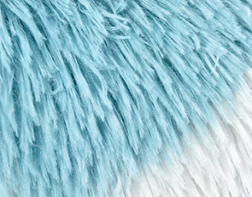
Corduroy is a distinctive fabric characterized by its ridged texture, offering both comfort and durability. Made from cotton or polyester, corduroy dog beds provide a soft, inviting surface for pets while being sturdy enough to withstand daily use. The fabric’s unique texture helps trap warmth, making it a cozy option for dogs, especially during colder months. Additionally, corduroy is available in various colors, allowing for customization in design.
Woolen
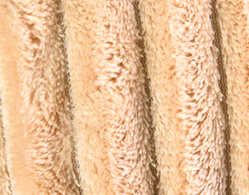
Woolen fabric is made from sheep’s wool, known for its natural insulating properties and moisture-wicking capabilities. Woolen dog beds offer warmth and comfort, making them perfect for cooler climates. The natural fibers are also hypoallergenic and resistant to odors, ensuring a healthy sleeping environment for pets. While wool can be more expensive, its durability and longevity make it a worthwhile investment for pet owners prioritizing quality.
Lamswol
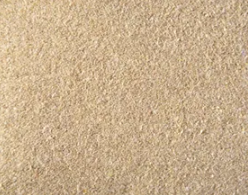
Lambswool is a soft, luxurious material derived from the fleece of young sheep. It is incredibly soft and provides excellent warmth and insulation for pets. Lambswool is naturally breathable, helping to regulate temperature and keep pets comfortable in various conditions. This material is ideal for high-end dog beds, as it offers a plush sleeping surface that many dogs find irresistible. Additionally, lambswool is durable and resistant to wear, ensuring a long-lasting product.
Knit
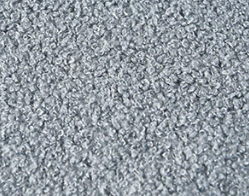
Knit fabrics are created by interlocking yarns to form a stretchy and flexible material. This fabric offers excellent comfort and softness, making it suitable for cozy dog beds. Knit dog beds can be made from various fibers, including cotton, polyester, or blends, providing versatility in design and functionality. The stretchiness of knit fabrics allows for easy fitting and shaping, accommodating different dog sizes and preferences. Moreover, knit materials often have a casual, homey look that appeals to pet owners.
Rabbit Fur
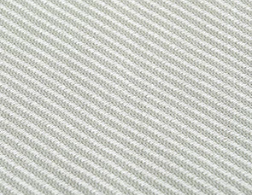
Rabbit fur is a luxurious and incredibly soft material that adds an element of comfort to dog beds. It provides excellent insulation and warmth, making it ideal for creating cozy sleeping spaces. While rabbit fur can be more expensive than synthetic options, its natural softness and appealing texture make it a favored choice for high-end pet products. Rabbit fur dog beds are often designed for indoor use, providing pets with a plush retreat that enhances their comfort and well-being.
Vulmateriaal
Shredded Sponge
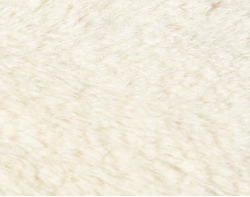
Shredded sponge filling consists of small pieces of foam, providing a soft and flexible structure for dog beds. This material conforms to the pet’s body, offering customized comfort and support. Shredded sponge is lightweight, making it easy to handle and transport, and it allows for good airflow, preventing heat buildup. Additionally, this type of filling is often more cost-effective than solid foam options, making it a popular choice for budget-friendly pet beds.
Geheugenschuim
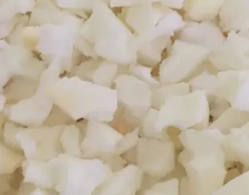
Memory foam is a high-quality filling material known for its ability to conform to the shape of the dog’s body. This provides exceptional support, particularly for older dogs or those with joint issues. Memory foam distributes weight evenly, relieving pressure points and enhancing overall comfort. Its durability and resistance to sagging make it a long-lasting choice for pet beds. Additionally, many memory foam options come with breathable covers that help regulate temperature, ensuring pets remain comfortable throughout the night.
Spray-Bonded Cotton
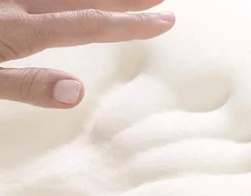
Spray-bonded cotton filling is made by combining cotton fibers with a bonding agent, resulting in a fluffy, lightweight filling. This material offers excellent breathability and moisture-wicking properties, ensuring a comfortable sleeping environment for pets. Spray-bonded cotton is hypoallergenic, making it suitable for pets with allergies or sensitivities. It also retains its shape well, providing consistent support over time. This filling is commonly used in mid-range to premium dog beds, offering a blend of comfort and durability.
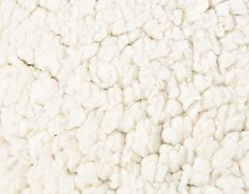
PP Katoen
PP cotton, or polypropylene cotton, is a synthetic filling material known for its softness and resilience. It is lightweight and provides a plush, cushioned surface for dogs to rest on. PP cotton is resistant to mold and mildew, making it a practical choice for indoor and outdoor pet beds. Its affordability and ease of maintenance make it a popular option among manufacturers, allowing them to offer quality pet beds at competitive prices. Additionally, PP cotton can be easily shaped and compressed, offering versatility in design.
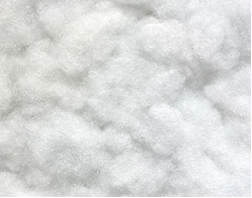
Bamboo Char-Coal Sponge
Bamboo char-coal sponge is an innovative filling material that incorporates activated bamboo charcoal, known for its natural odor-absorbing properties. This eco-friendly option helps keep pet beds fresh by neutralizing odors and moisture. The bamboo charcoal also provides a breathable structure, enhancing airflow within the bed. This filling is particularly suitable for pets prone to allergies, as it promotes a healthy sleeping environment. Its unique properties make bamboo char-coal sponge an appealing choice for environmentally conscious pet owners.
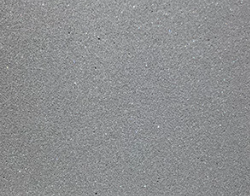
Cooling Gel Sponge
Cooling gel sponge filling is designed to regulate temperature and keep pets cool during hot weather. This material incorporates gel-infused foam that absorbs and dissipates heat, providing a comfortable sleeping surface. Cooling gel sponges are particularly beneficial for pets that overheat easily or live in warmer climates. Many cooling gel dog beds also come with breathable covers that enhance airflow, further improving comfort. This innovative filling is ideal for pet owners looking to provide their dogs with a refreshing and cozy resting place.
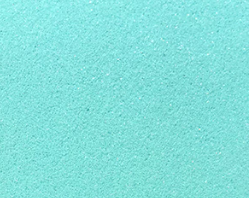
Coil Springs
Coil springs are a traditional filling option that provides support and bounce in dog beds. This material is often used in conjunction with foam or other filling types to enhance overall comfort. Coil springs allow for better weight distribution and promote airflow, helping to keep the bed cool. Additionally, this filling option offers durability and longevity, making it suitable for larger or more active dogs. Coil spring beds are ideal for pet owners seeking a supportive and resilient resting option for their furry companions.
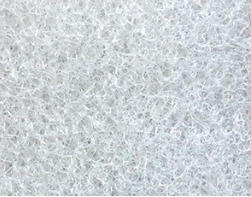
Egg Crate Sponge
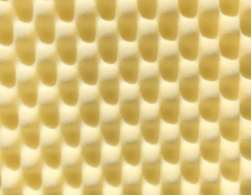
Egg crate sponge filling features a unique, convoluted design that mimics the shape of an egg carton. This structure provides enhanced support and comfort by distributing weight evenly and alleviating pressure points. Egg crate sponge is often used in orthopedic dog beds, offering benefits for older dogs or those with joint pain. The design also promotes airflow, helping to regulate temperature and keep pets cool. This filling material is affordable and lightweight, making it a practical choice for various types of dog beds.
Specialty Materials
Waterproof Fabrics
Waterproof pet bed fabrics are essential for protecting against spills and accidents. These materials ensure that pet beds remain clean and durable over time.
Milieuvriendelijke opties
The growing demand for eco-friendly pet products is shaping the market. Sustainable materials for pet beds not only appeal to environmentally conscious consumers but also align with health and safety standards for pet products.
Pet Bed Textiles & Filling Materials: B2B Technical Performance Matrix
| Material Category | Technical Spec / GSM / Density | Durability & Testing Benchmark | Freight & Vacuum CBM Efficiency |
|---|---|---|---|
| Heavy-Duty Oxford Shell | 600D Polyester with PVC/PU Backing (220–280 GSM) | Martindale > 20,000 rubs; Hydrostatic Pressure > 3,000mm | High flat-pack density; minimal transit creasing |
| PV Plush & Faux Fur | 100% Polyester Plush (300–450 GSM, 10–20mm pile) | Color fastness to washing (ISO 105 Grade 4.0+) | High vacuum roll compression (saves 50%+ CBM) |
| Viscoelastic Memory Foam | 28D–45D High-Density Polyurethane Slab | ILD Rating 30–45 lbs; CertiPUR-US / OEKO-TEX Certified | Requires strict 60-day vacuum unboxing recovery window |
| Virgin PP Cotton Fill | 3D / 7D Siliconized Conjugate Hollow Polyester Fiber | High resilience loft; anti-clumping after 10+ machine washes | Ultra-high vacuum compression ratio (saves up to 65% CBM) |
Factors to Consider When Choosing Materials
Understanding the preferences and requirements of your target audience is crucial. Whether catering to the luxury market or offering budget-friendly options, identifying the right materials can set your products apart.
Using non-toxic, pet-safe materials is vital. Buyers should prioritize comfort and support in pet beds to ensure the well-being of the animals using their products.
Durability and Maintenance
Evaluating the longevity of materials and ease of cleaning is essential for ensuring customer satisfaction. Durable pet bedding that requires minimal maintenance can enhance product appeal.
Balancing quality with affordability is critical in wholesale pet bed manufacturing. Buyers should seek cost-effective materials for pet bedding that do not compromise on quality, ensuring a competitive edge in the market.
Trends in Pet Bed Materials
Current trends in pet bed materials indicate an increasing demand for sustainable and eco-friendly products. Innovations in fabric technology, such as stain-resistant and antimicrobial properties, are also gaining traction. These trends highlight the need for manufacturers to stay informed and adapt to changing consumer preferences.
Supplier Sourcing Tips
Finding reliable suppliers for pet bed materials is crucial to ensuring high-quality products. Here are some detailed tips to guide B2B buyers in sourcing the best suppliers:
Research and Identify Potential Suppliers
- Online Directories: Utilize platforms like Alibaba, ThomasNet, and Global Sources to find suppliers specializing in pet products.
- Trade Shows: Attend industry-specific trade shows and exhibitions to meet potential suppliers, see product samples, and discuss your needs directly.
- Industry Associations: Join relevant trade associations that can provide directories of reputable suppliers in the pet products industry.
Evaluate Supplier Credentials
- Quality Certifications: Look for suppliers that have quality certifications such as OEKO-TEX, GRS, and ISO standards. These certifications ensure that materials meet safety and environmental standards.
- Experience and Reputation: Research the supplier’s history in the industry. Check customer reviews and testimonials to gauge their reliability and product quality.
- Production Capabilities: Assess whether the supplier can meet your production needs, including capacity, lead times, and customization options.
Conduct Material Performance Testing
- Voorbeeldbestellingen: Request samples of materials before making large orders. This allows you to test for durability, comfort, and suitability for your pet bed designs.
- Third-Party Testing: Consider having materials tested by a third-party laboratory to verify their performance characteristics and safety compliance.
Material Lab Testing Checklist for Bulk Procurement: Before releasing final material sign-offs to your wholesale pet bed manufacturing partner, demand the following 4 lab verification reports for production batch materials:
Seam Slippage & Tensile Strength (ISO 13934-1): Ensures perimeter seams withstand >150N force, preventing seam bursting along zip channels during vigorous pet scratching.
REACH / Prop 65 Chemical Audit: Verifies that PVC backings, plush dyes, and TPU waterproof membranes are 100% free from restricted phthalates, heavy metals, and AZO dyes.
Foam Compression Set (ASTM D3574): Tests memory foam and sponge bases to ensure less than 5% permanent height loss after 90 days of maritime shipping pressure.
Flammability & Cigarette Ignition (16 CFR 1610 / BS 5852): Essential for textile pet bedding entering major UK, European, and North American retail distribution networks.
Establish Communication
- Clear Communication Channels: Ensure that the supplier has clear communication channels, such as dedicated account managers or support teams, to address any concerns quickly.
- Language and Cultural Considerations: Be mindful of language barriers and cultural differences that might affect negotiations or understanding of specifications.
Negotiate Terms
- Pricing and Minimum Order Quantities: Negotiate pricing, payment terms, and minimum order quantities to ensure they align with your budget and sales strategy.
- Lead Times and Delivery: Discuss lead times for production and delivery schedules to avoid disruptions in your supply chain.
Build Long-Term Partnerships
- Regular Communication: Maintain open lines of communication with your suppliers. Regular updates can help foster trust and ensure smooth operations.
- Feedback and Improvement: Provide constructive feedback on product quality and service. This can help suppliers improve and strengthen your partnership.
Monitor Performance
- Regular Audits: Conduct regular audits of your suppliers to ensure they maintain quality and compliance with your standards.
- Performance Metrics: Establish key performance indicators (KPIs) to monitor supplier performance, including on-time delivery rates and product quality assessments.
Conclusie
In conclusion, the selection of materials for pet beds is a vital consideration for manufacturers aiming to meet market demands. B2B buyers are encouraged to explore various material options, keeping in mind market trends and consumer preferences. By connecting with reliable suppliers and prioritizing quality, businesses can successfully enhance their pet bed offerings and appeal to a broader audience.
Veelgestelde vragen (FAQ)
Q1: What is the most sustainable and scalable fabric choice for high-volume pet bed manufacturing?
A: According to current global textile trade data, GRS-certified recycled polyester (RPET) derived from post-consumer plastic bottles remains the most commercially scalable fabric choice. It provides international sourcing offices with a fully documented, traceable audit trail to satisfy strict Western anti-greenwashing laws while maintaining stable production costs and high tensile strength identical to virgin polyester.
Q2: How do bio-based textiles like Sorona differ from traditional recycled PET options?
A: Unlike recycled PET options that focus on mechanical plastic waste reduction, bio-based materials like Sorona focus on lowering fossil fuel dependence from the very start of the supply chain. Sorona incorporates annually renewable plant-based ingredients processed through biological sugar fermentation, creating a high-performance polymer that naturally delivers exceptional permanent elastic recovery and exceptional softness without relying on non-renewable petroleum resources.
Q3: What material innovations are replacing hazardous PVC coatings in waterproof outdoor dog beds?
A: RPVB (Recycled Polyvinyl Butyral) has emerged as the premier sustainable alternative to traditional PVC coatings in premium pet products. Derived from recycled automotive windshield glass interlayers, RPVB provides naturally superior water resistance, moisture barriers, and high UV protection without requiring toxic chemical plasticizers, allowing outdoor bedding lines to pass strict European consumer safety audits easily.
Q4: Does high-density vacuum compression packaging permanently damage orthopedic memory foam pet beds?
A: No, provided that the viscoelastic foam density is engineered correctly under a certified kwaliteitsbeheer van huisdierbedden system. However, procurement teams must note that the exact vacuum compression method and final volume reduction are completely variable depending on the specific dog bed model design. While flat mats recover their loft almost instantly, complex bolster shapes require custom packing configurations to protect the interior fiber structure from permanent shape deformation during maritime shipping.
Q5: Why is bamboo charcoal foam preferred over standard polyurethane filling for high-volume wholesale distributions?
A: Volume distributors prefer bamboo charcoal foam for high-volume wholesale pet supplies channels because it solves a major industry pain point: moisture accumulation and odor generation during extended ocean freight transit. The porous structure of activated bamboo charcoal naturally adsorbs ambient odors and regulates humidity within the bed core, ensuring inventory arrives at international distribution centers completely fresh and shelf-ready.
Q6: How should sourcing managers select between coil springs and convoluted egg crate foam for orthopedic product lines?
A: Sourcing offices should select based on target market price points and shipping weight restrictions. Convoluted egg crate foam provides highly cost-effective, lightweight targeted pressure relief that keeps shipping costs low for competitive retail channels. Conversely, independent coil spring systems offer premium weight distribution and exceptional height retention for large breeds, commanding higher retail price potentials and stronger brand differentiation.
Delen
Product Categorie
Recente Artikelen
Custom Dog Bed Development: From Reference Image to Production
Dog Crate Mat Size Guide for Wholesale & Private Label Buyers
Contact Opnemen Met De Fabrikant
Je Zou Ook Graag