When evaluating a pet bed supplier, professional buyers rarely focus on product specifications alone. Before discussing pricing, MOQ, packaging, or customization, retailers typically review supplier compliance documentation to assess sourcing risk.
This process has become increasingly important as sustainability regulations, product safety requirements, and supply chain transparency standards continue to evolve across North America, Europe, and Asia.
Supplier compliance is no longer defined by a single certificate. Instead, buyers evaluate a combination of factory audits, management system certifications, material certifications, and product testing reports to determine whether our OEM pet bed manufacturing services can support long-term retail programs.
This guide explains the compliance documents most frequently requested when sourcing pet beds in 2026.
The combination of factory audits, management system certifications, material certifications, and product testing reports used to verify a manufacturer's ability to meet retailer, importer, and regulatory requirements.
Understanding the Four Categories of Supplier Compliance
One of the most common sourcing mistakes is assuming that all compliance documents serve the same purpose. In reality, buyers evaluate four different categories of compliance requirements.
| Categorie | Examples | Purpose |
|---|---|---|
| Factory Audits | BSCI, SMETA, ICS, FQA, Costco GMP, SCAN | Evaluate factory operations and compliance practices |
| Management System Certifications | ISO9001, ISO14001 | Verify management systems |
| Material Certifications | GRS, OEKO-TEX Standard 100, FSC | Verify materials and sustainability claims |
| Testing Reports | CE, RoHS | Verify product compliance and safety |
Because each category evaluates a different aspect of manufacturing, retailers typically review multiple documents during supplier selection.
Factory Audits: Evaluating Operational Compliance
Factory audits are often the first documents reviewed by retail buyers. Unlike certifications, audits evaluate how a factory operates on a day-to-day basis. They examine management systems, labor practices, workplace conditions, security procedures, and operational controls. Large retail chains frequently require audit reports before approving a supplier.
BSCI
The Business Social Compliance Initiative focuses on responsible labor practices, workplace safety, and ethical manufacturing operations.
Many European retailers require a certified BSCI pet products supplier to thoroughly audit our pet bed manufacturing facilities before onboarding.
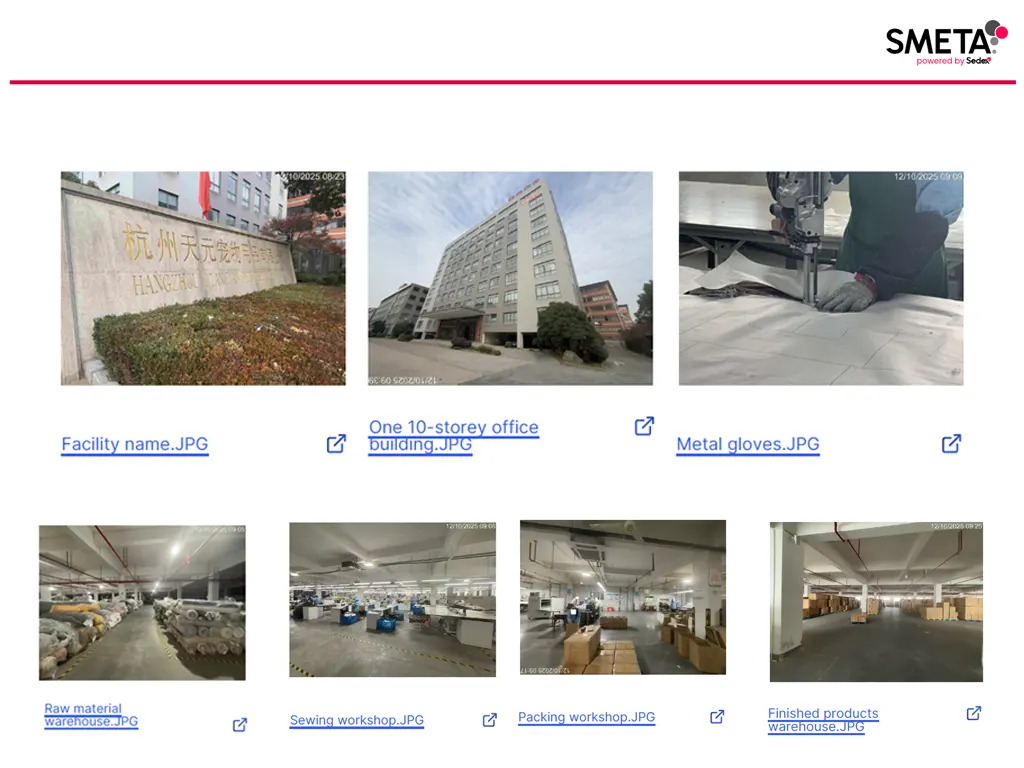
SMETA-4P
SMETA evaluates four core pillars of factory management:
- Labor Standards
- Health and Safety
- Environment
- Business Ethics
Because SMETA follows a globally recognized methodology, achieving compliance at a SMETA pet bed factory is widely accepted by retailers, importers, and brand owners alike.
ICS, FQA, Costco GMP, and SCAN
Additional audit programs may be required depending on the target customer and chosen sales channel. For example:
- Costco GMP focuses tightly on manufacturing controls.
- SCAN evaluates supply chain security according to C-TPAT principles.
- ICS and FQA are commonly used by major retail sourcing programs to clear international logistics pathways.
Management System Certifications: Building Consistent Manufacturing Processes
Retailers prefer suppliers that can consistently reproduce product quality across multiple production runs. This is where standardized management system certifications become important.
ISO9001
ISO9001 verifies that an established ISO9001 pet bed manufacturer has implemented a fully documented quality management system. Because production procedures, inspections, corrective actions, and quality controls are standardized, certified manufacturers are often viewed as lower-risk sourcing partners. Rather than guaranteeing a perfect product, ISO9001 demonstrates that a structured quality management framework exists.
ISO14001
ISO14001 focuses directly on environmental management. As sustainability reporting becomes more common, retailers increasingly review environmental management practices when evaluating suppliers. The standard helps manufacturers monitor environmental impacts and establish continuous improvement procedures.
Material Certifications: Verifying Sustainability and Safety Claims
Material certifications validate technical claims made about fabrics, fillings, packaging, and recycled content before inventory goes to production.
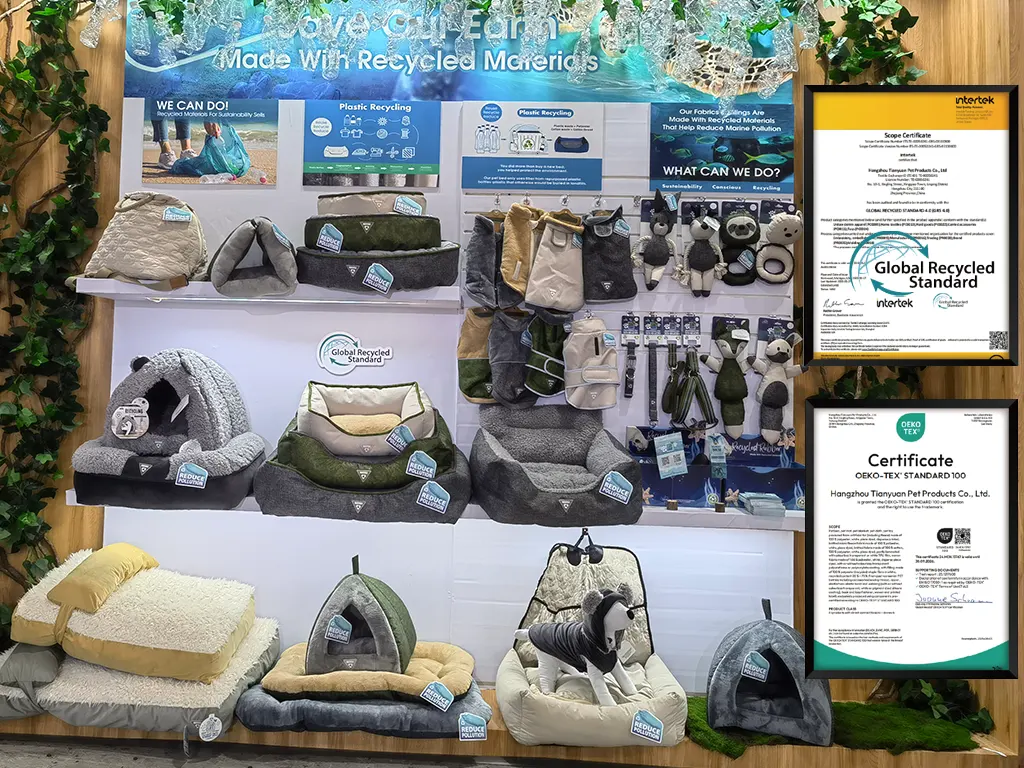
GRS: Global Recycled Standard
GRS is one of the most recognized sustainability certifications in the textile industry. A common misconception is that GRS certifies a finished pet bed. In reality, GRS verifies recycled materials and chain-of-custody traceability throughout the supply chain. Because sustainability claims face increasing scrutiny, many retailers require independently verified recycled-content documentation before accepting eco-friendly product claims. This is particularly important for brands sourcing GRS certified pet beds made from post-consumer plastic bottles.
OEKO-TEX Standaard 100
OEKO-TEX focuses strictly on textile safety. The certification verifies that tested textile components meet strict limits for harmful chemical substances. For pet beds, this typically applies to:
- Fabrics
- Vullingen
- Threads
- Decorative textile components
Retailers often view audited OEKO-TEX pet bed fabrics as an essential layer of consumer safety assurance and liability protection.
FSC
While FSC does not apply to pet bed fabrics, it is frequently used for paper-based packaging materials. Many retailers now evaluate packaging sustainability alongside product sustainability initiatives to eliminate global greenwashing concerns.
Testing Reports: Product Compliance for Specialized Categories
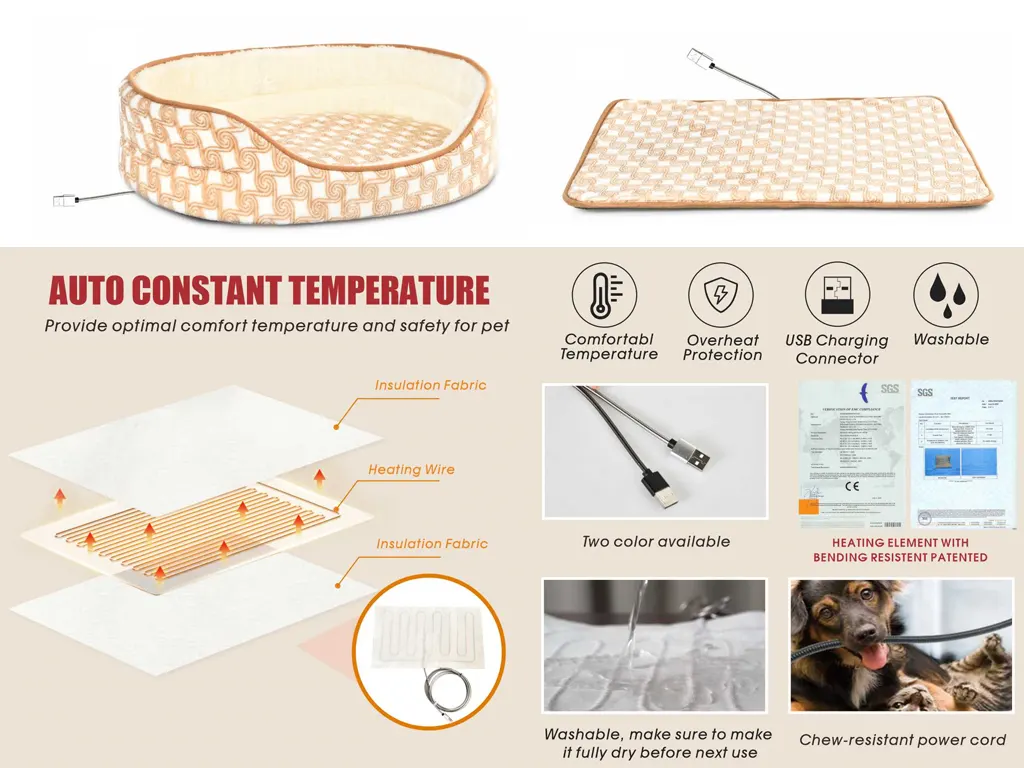
Some specialized pet products require product-specific testing reports. This is especially true for electrically heated pet beds, where a verified CE RoHS heated pet bed configuration is necessary for legal market entry.
CE Testing
CE testing helps demonstrate compliance with applicable European product safety, health, and environmental protection requirements.
RoHS Testing
RoHS verifies strict restrictions on specific hazardous substances used in electrical and electronic products, ensuring components are safe for household distribution.
Why Heated Pet Beds Require Additional Testing
Heated pet beds introduce technical risks that do not exist in traditional bedding products. Because pets may scratch, chew, or repeatedly interact with electrical components, retailers often require additional compliance documentation before listing electric heating products. Modern heated pet beds increasingly utilize low-voltage heating systems and removable heating modules to reduce operational risks while simplifying cleaning and maintenance.
How Retail Buyers Evaluate Supplier Compliance
Most professional sourcing programs follow a structured supplier compliance approval process before establishing long-term supply agreements.
Standardized Supplier Sourcing & Onboarding Pipeline
Compliance documentation rarely wins an order by itself. However, insufficient factory audit pet products data or testing protocols can eliminate a supplier before product evaluation even begins.