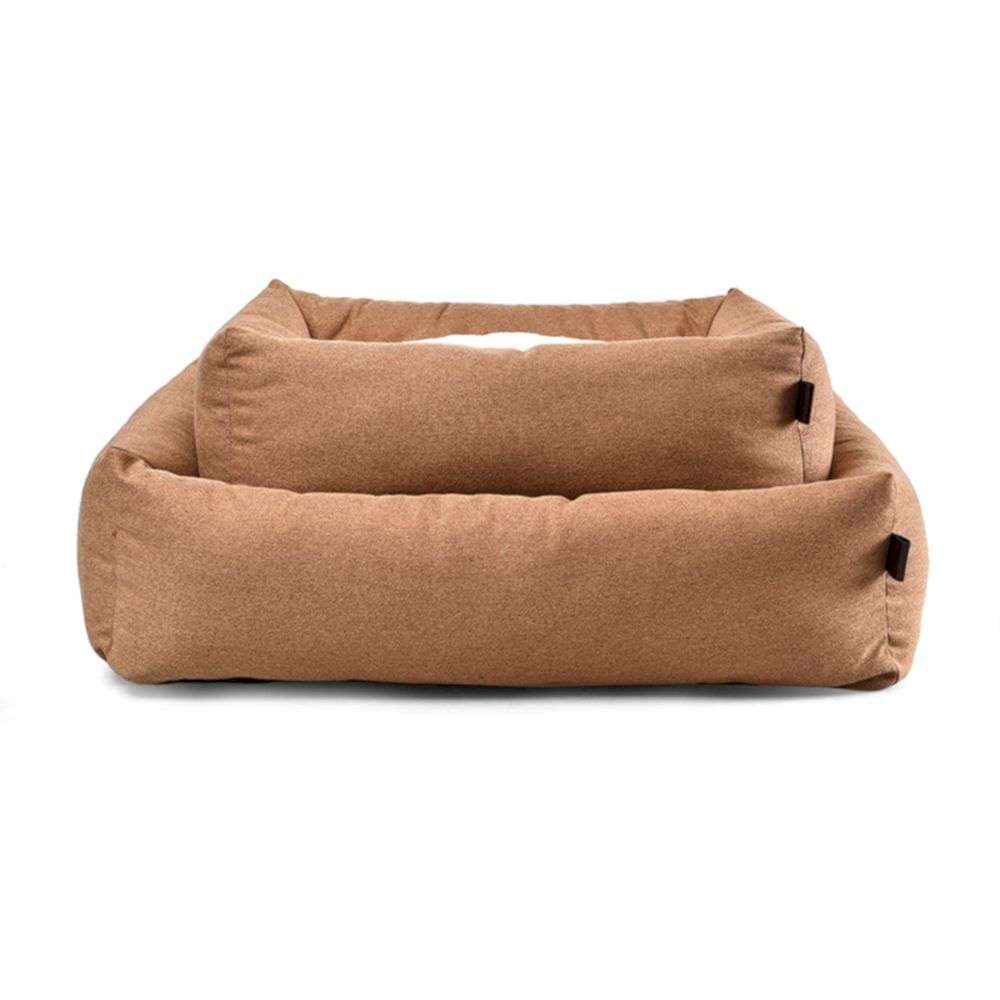
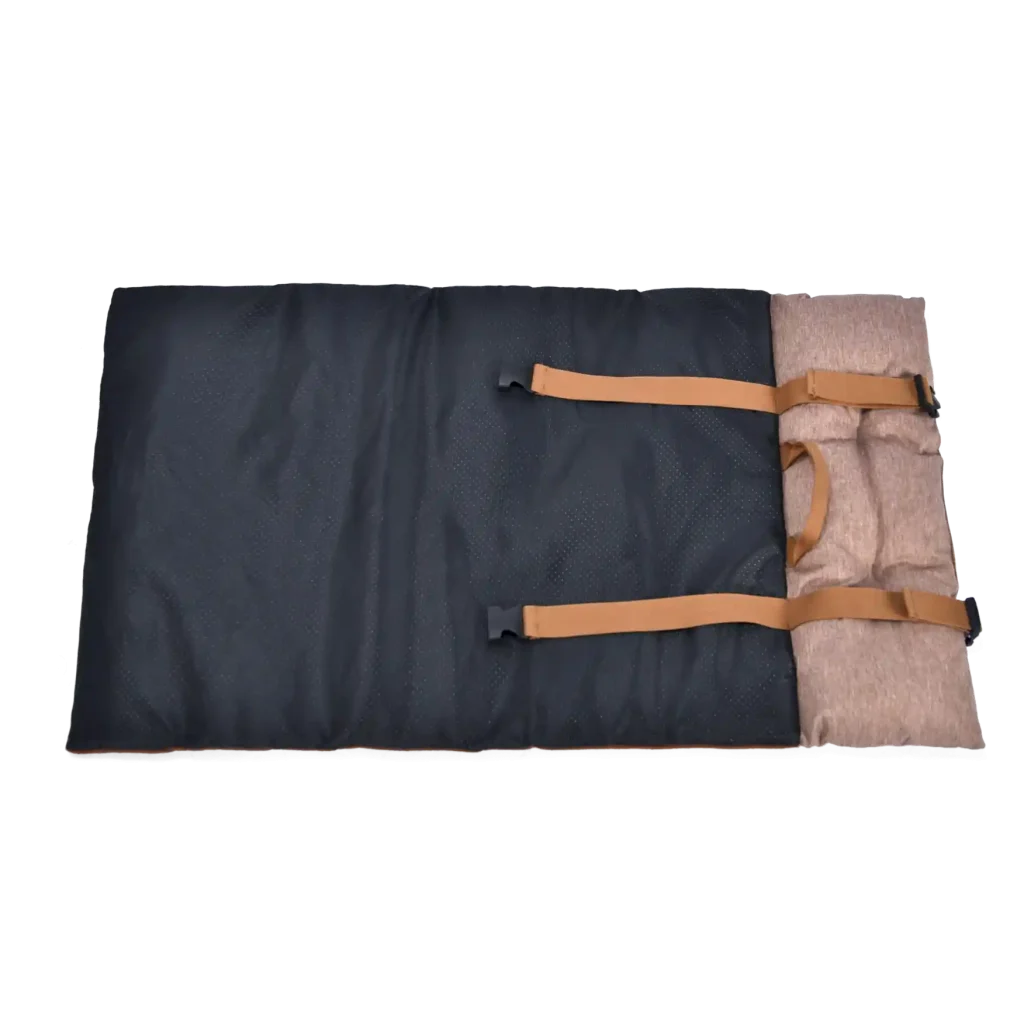
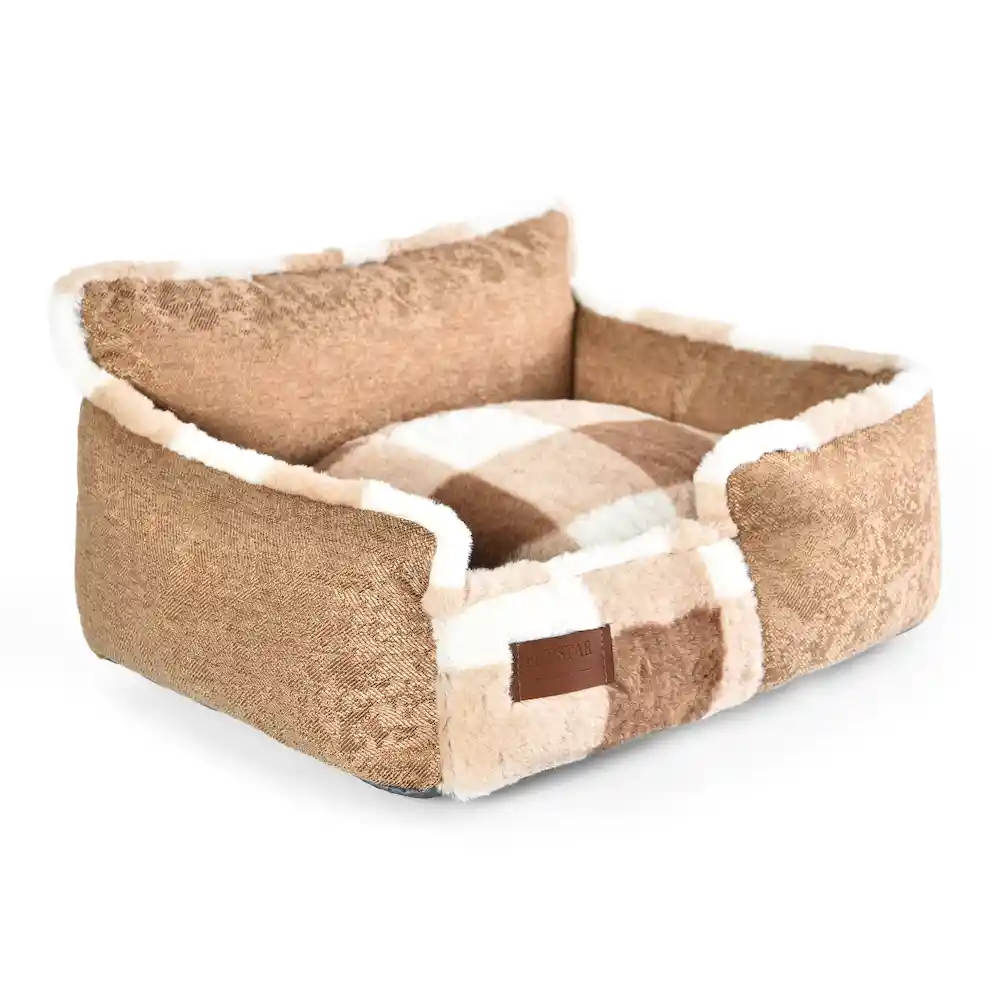
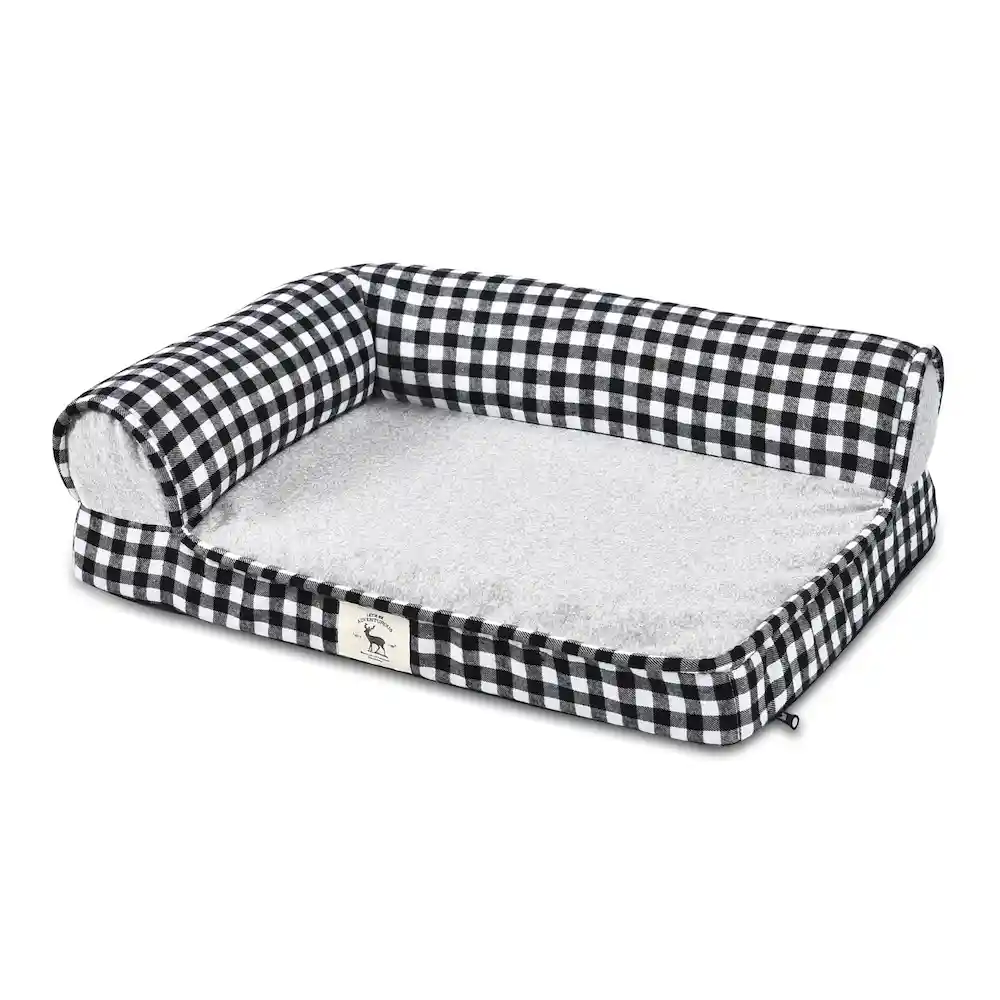
Custom dog bed development for private-label brands and wholesalers: A guide on transitioning from reference images and sketches to physical prototypes and mass production. Key commercial milestones include 3–7 DAY RAPID SAMPLING, 300 PCS COMMERCIAL MOQS, structured fabric/filling selection, and establishing clear technical specifications prior to bulk manufacturing.
Developing a custom dog bed is more than changing a fabric or adding a logo to an existing catalog product. For wholesalers, distributors, importers, retailers, and private-label brands, a custom dog bed often starts with a reference image, sketch, product idea, or market concept. The core challenge is turning that idea into a product that can be sampled, approved, and produced at scale.
A reliable development process should connect product design with materials, construction, target market positioning, and manufacturing feasibility. This guide explains the main stages from the first concept to production.
Why Custom Dog Bed Development Matters for Private Label Brands
A standard catalog can provide a fast starting point. It may not, however, match every brand or target market. Private-label buyers often need a distinct shape, customized fabric, specific sizing, or unique visual identity to stand out in competitive retail channels.
Common reasons for custom customized dog bed development include:
- Creating a proprietary private label dog bed collection.
- Developing a new product concept from a market trend.
- Differentiating from standard off-the-shelf products.
- Matching a brand's specific visual and color identity.
- Adjusting dimensions for regional market standards.
- Selecting specialized fabric or filling combinations.
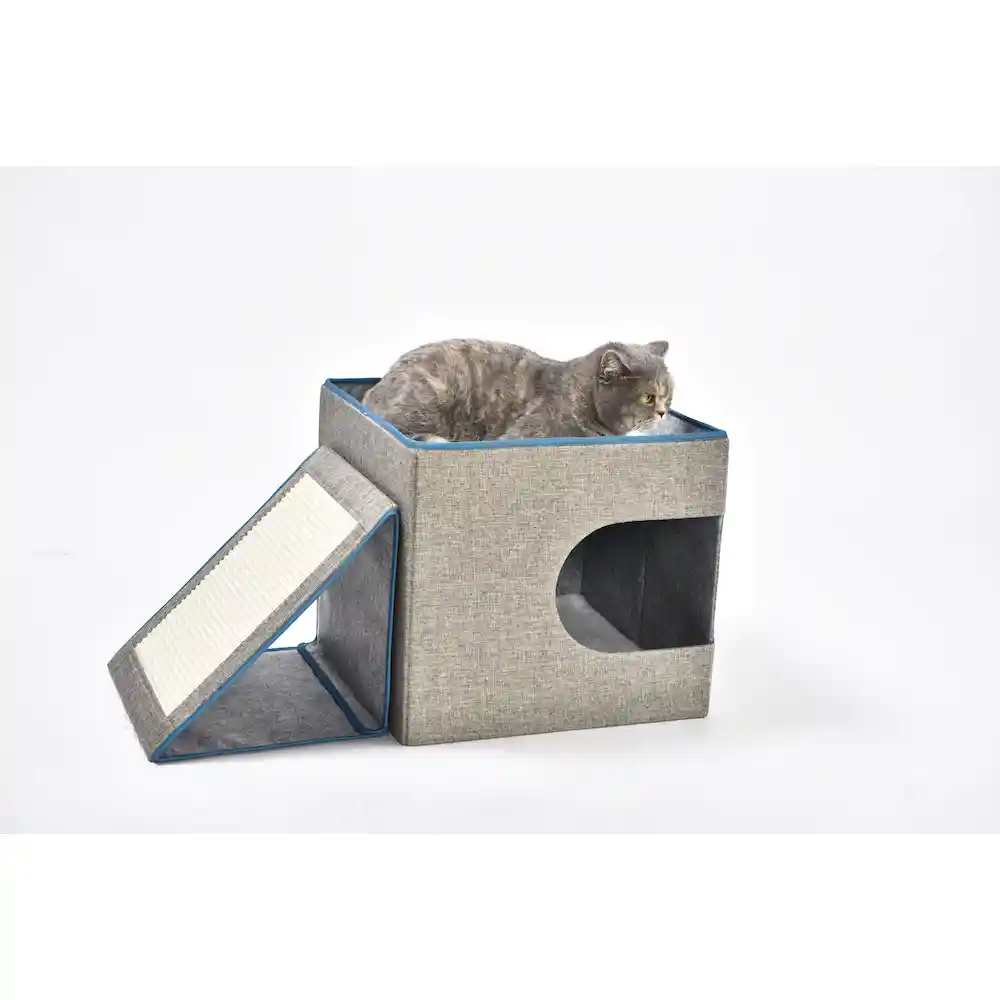
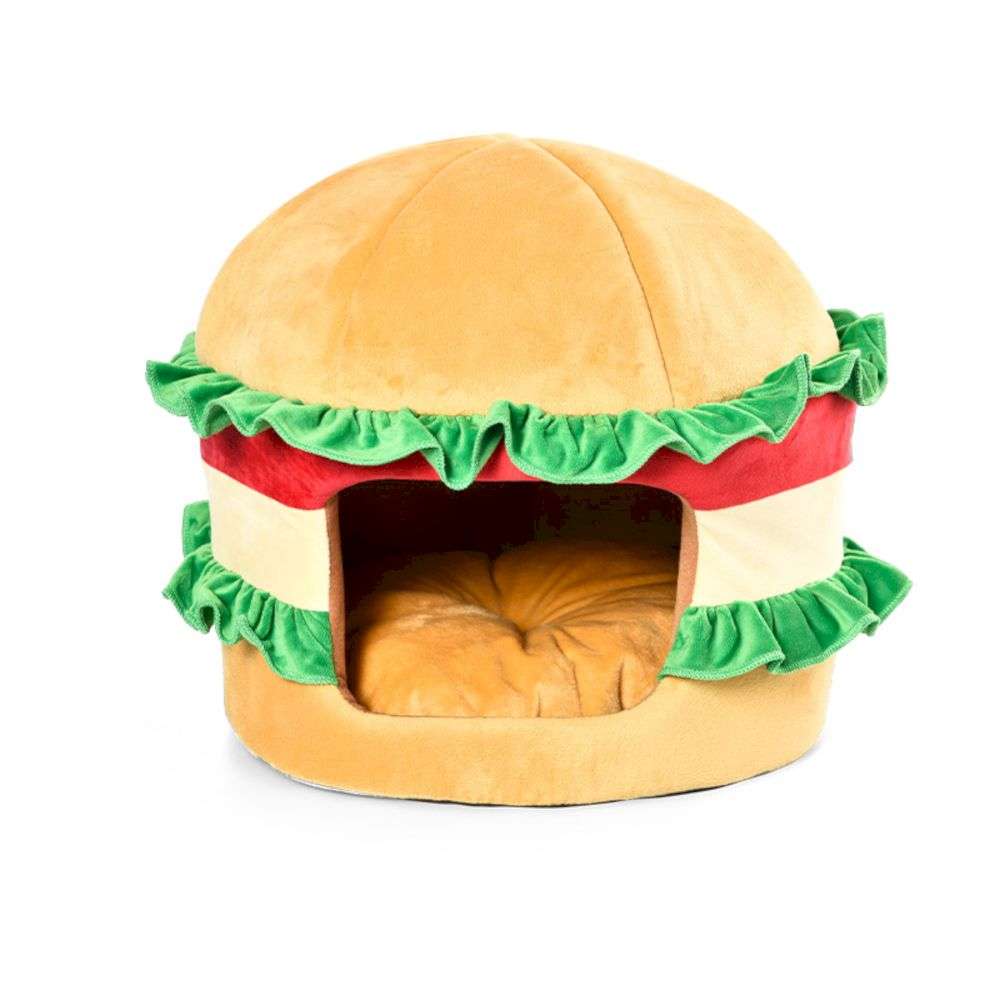
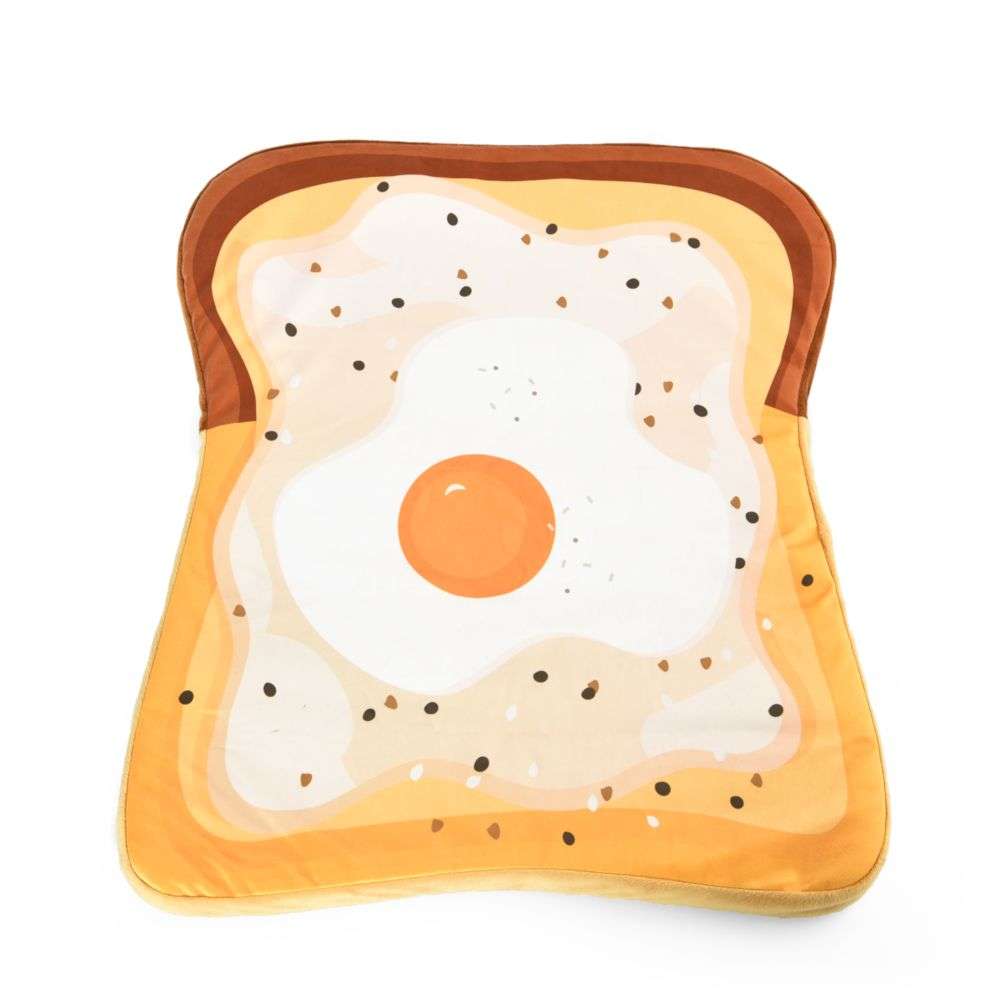
- Developing themed or novelty pet furniture products.
Starting With a Reference Image or Product Concept
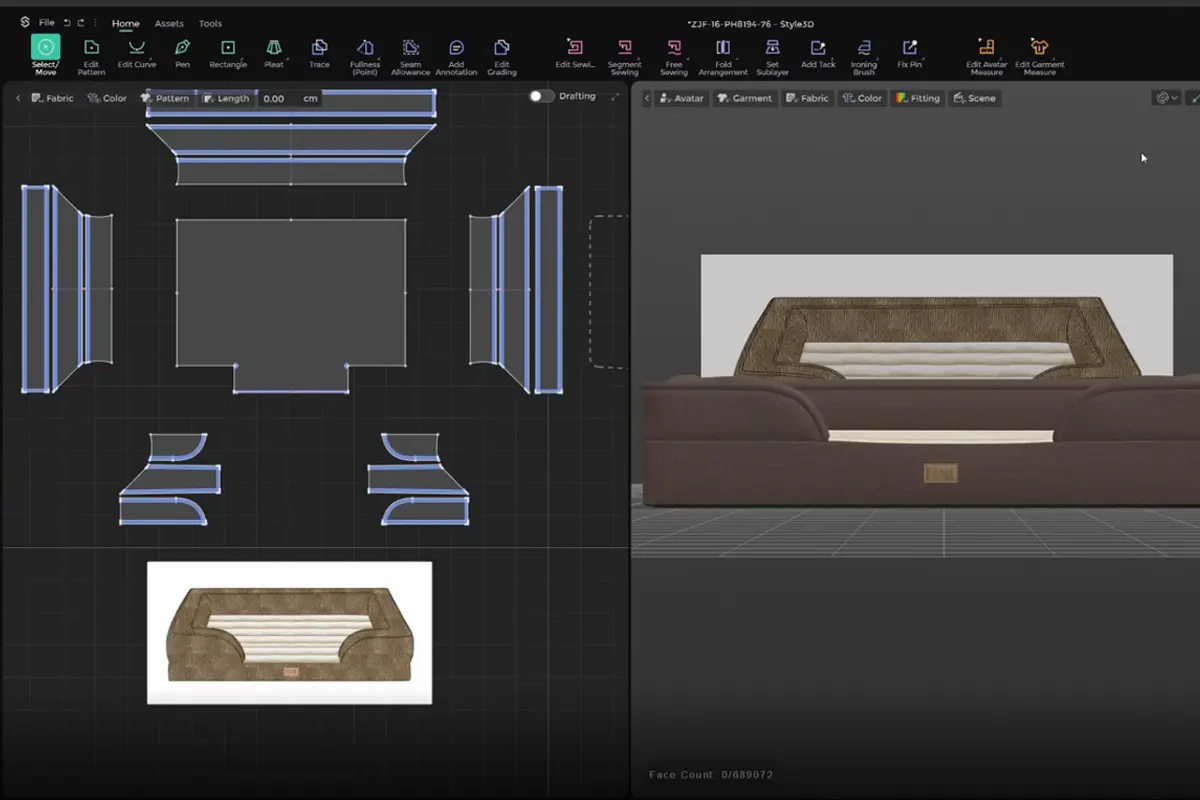
A custom dog bed design does not always start with a finished technical drawing or CAD file. It can begin with a reference image, a rough sketch, an existing product sample, a visual direction, or a concept based on a retail trend.
A reference image gives the development team an initial direction, defining the overall shape and visual style. However, it does not define every production detail. Before sampling, the concept must be clarified in areas such as exact size, sewing construction, fabric yield, and structural filling.
For example, a buyer may provide a reference image of a vehicle-shaped concept. Turning that concept into a physical prototype requires defining the three-dimensional form, cushion structure, fabric selection, removable components, and sewing assembly. Buyers exploring specialized forms can reference our car-shaped and novelty dog beds for examples of concept execution.
Defining Shape, Size and Product Structure
Custom development requires defining the product from its structural core outward.
Custom Shape
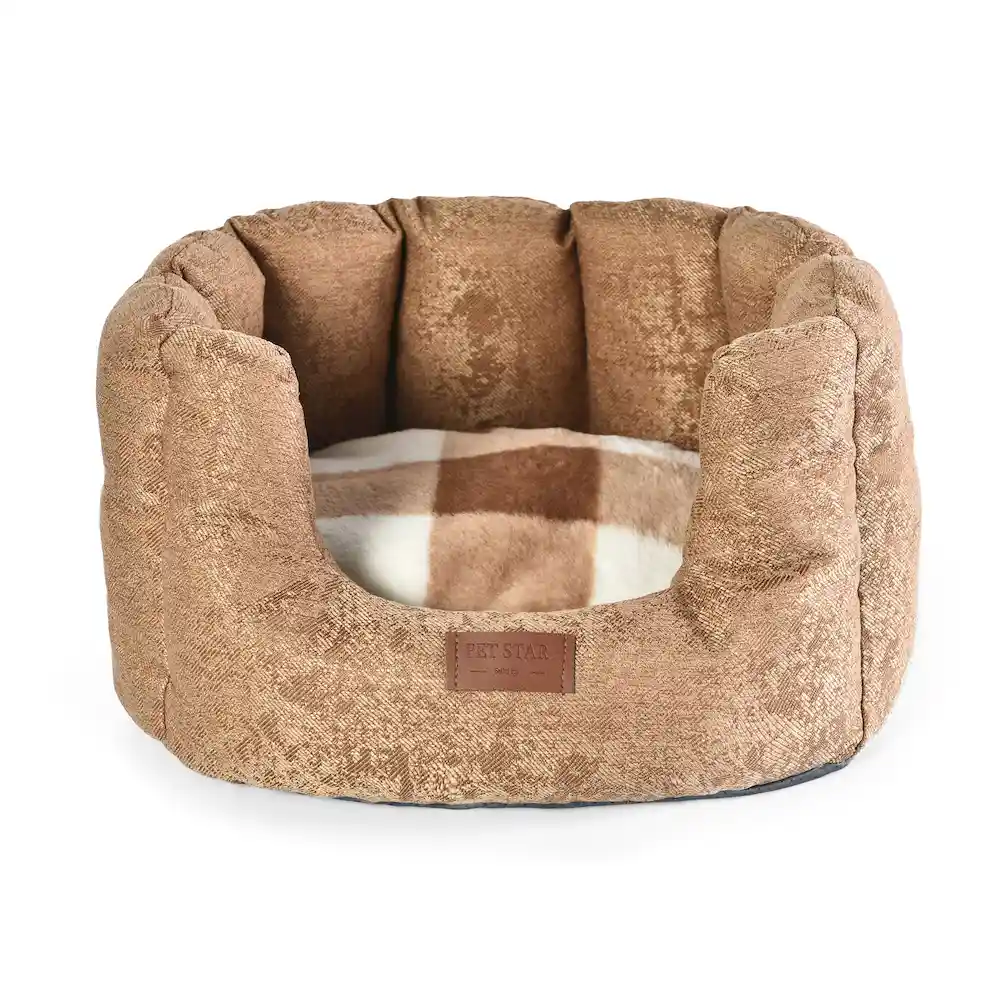
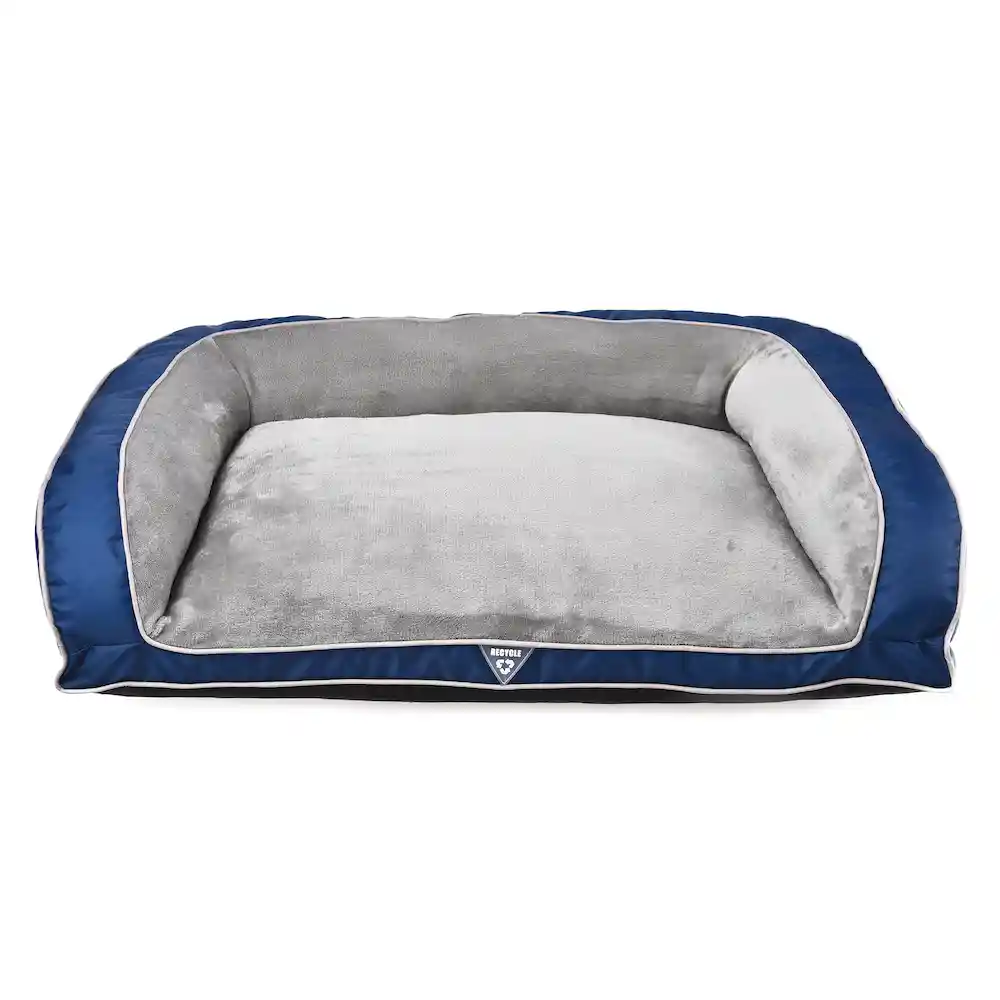
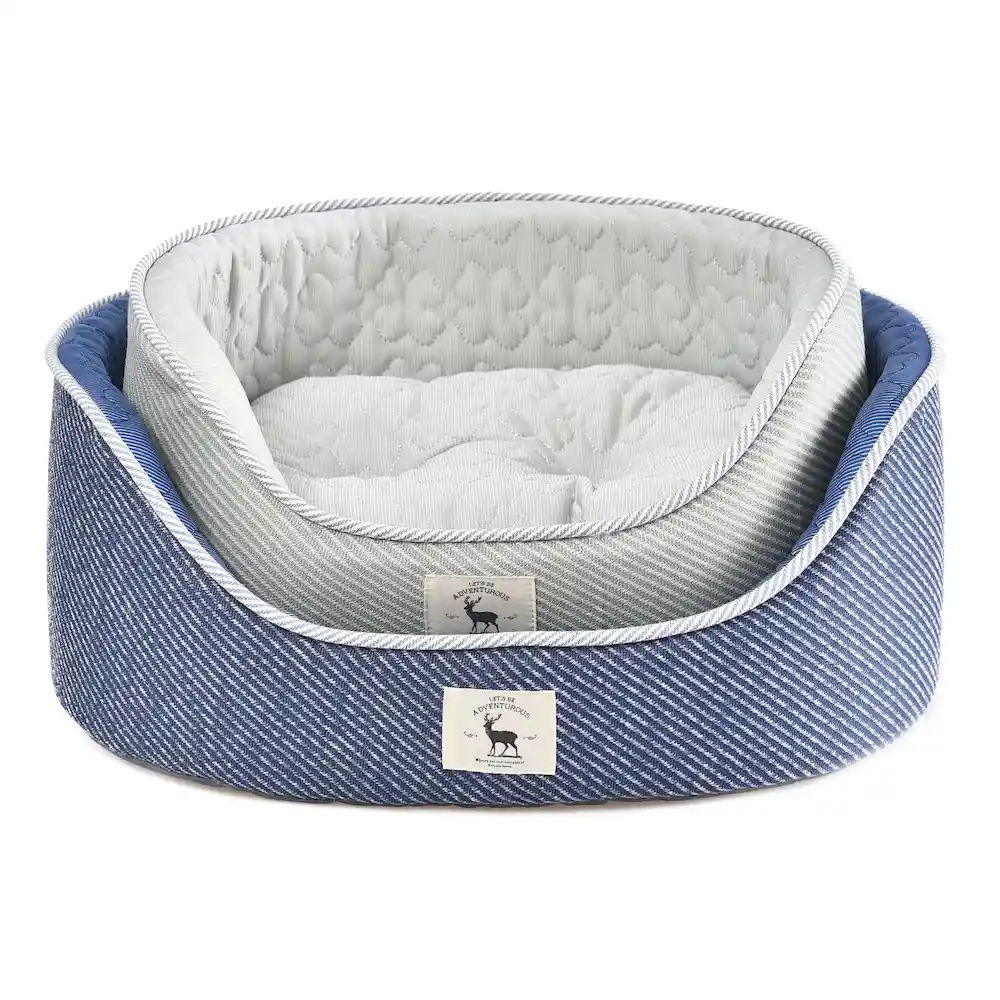
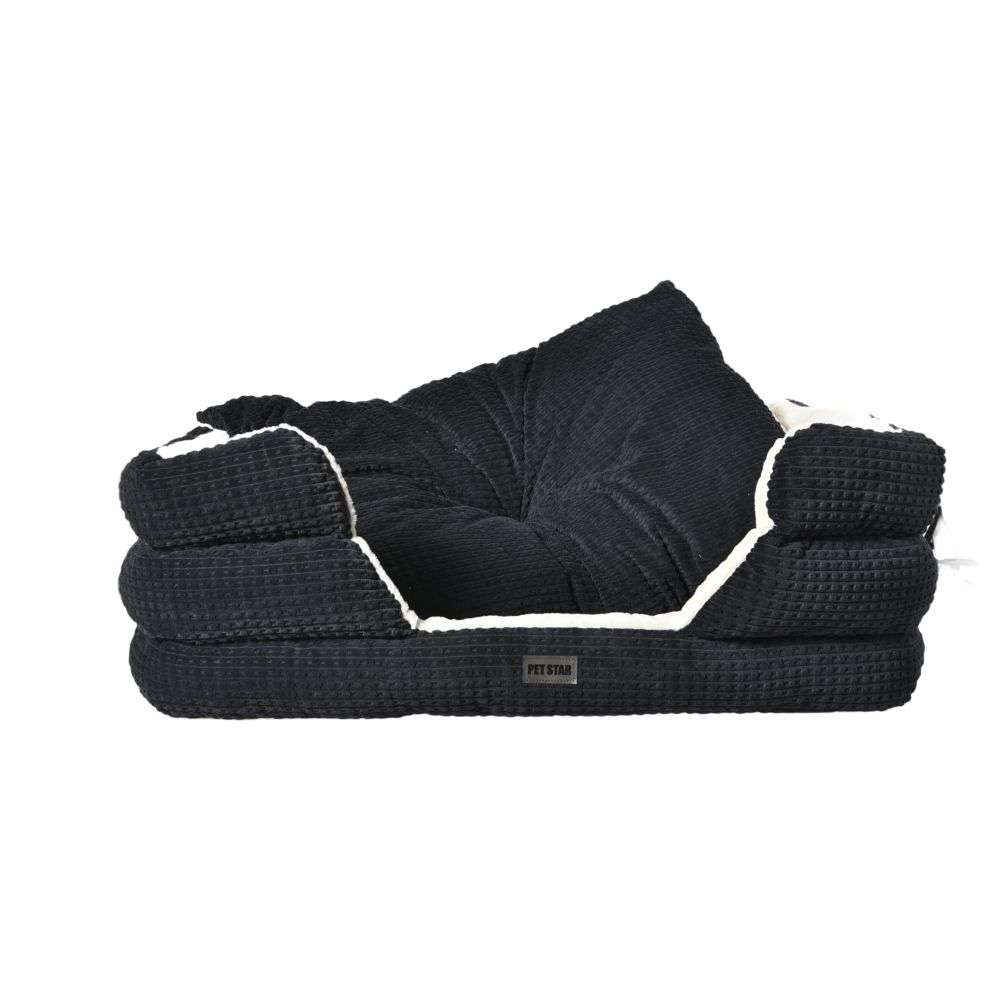
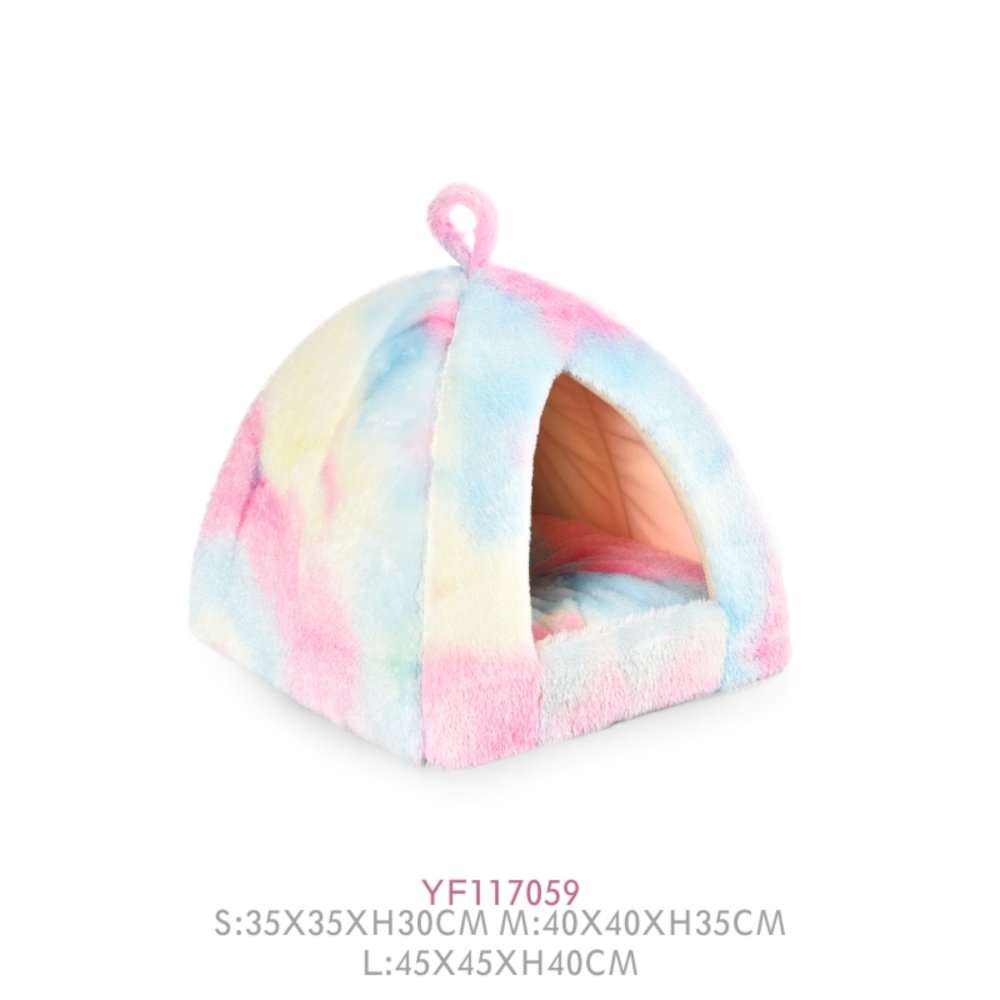
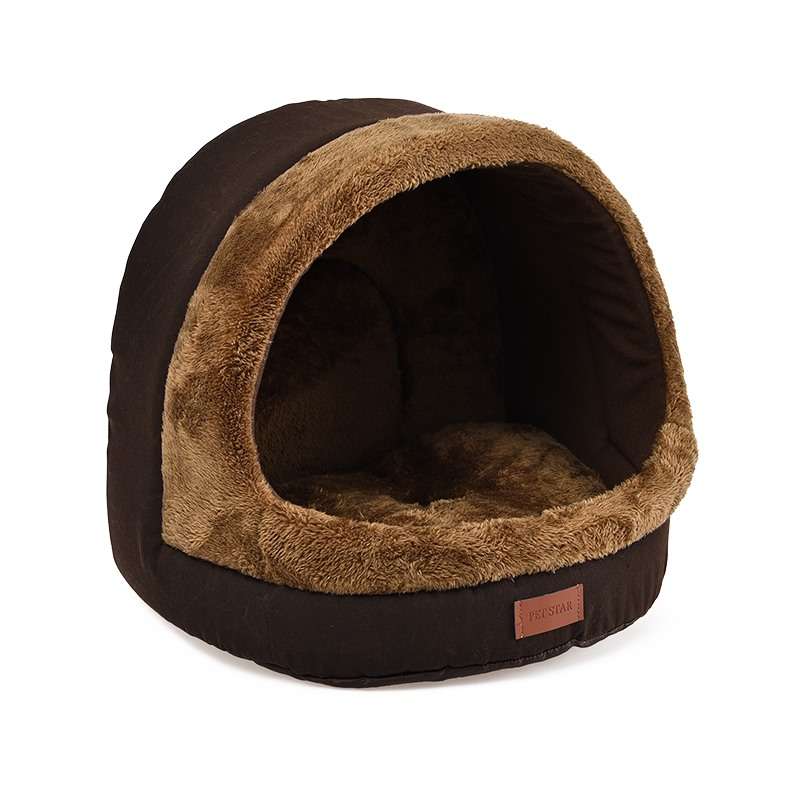
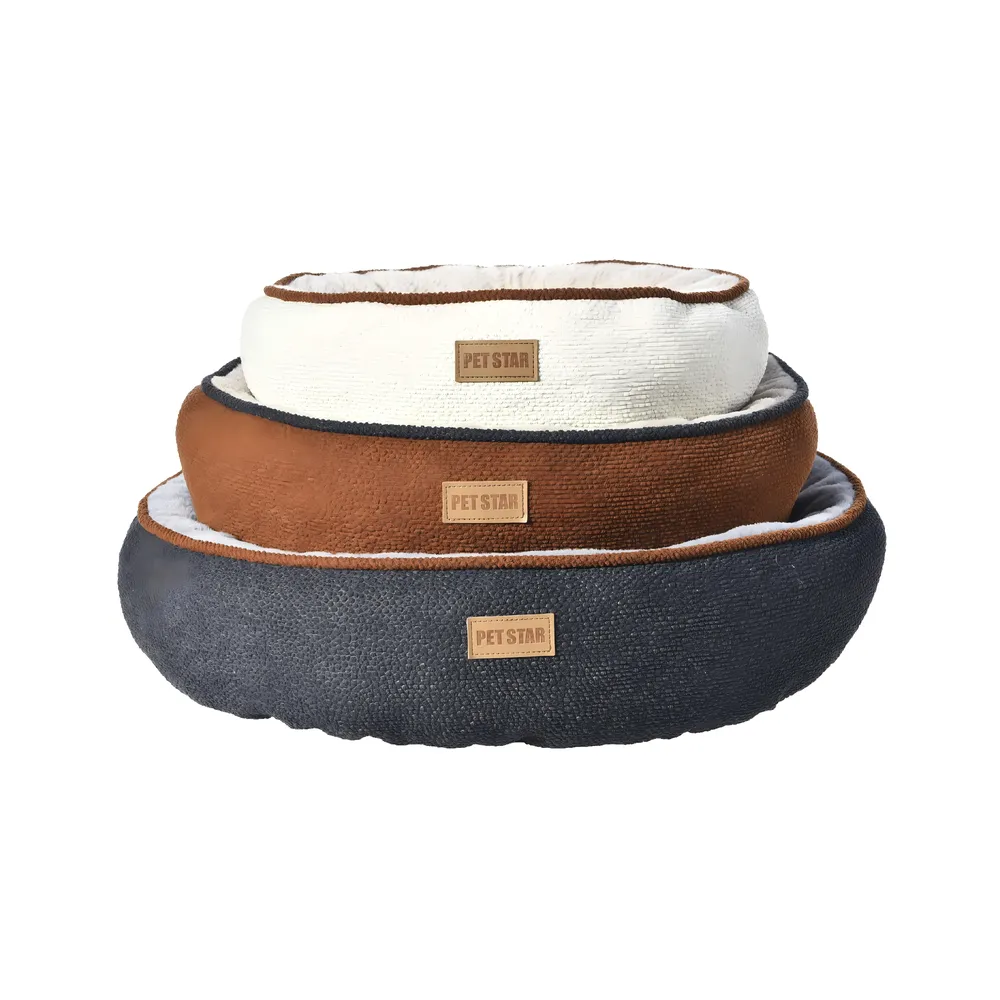
Shape is often the first visible differentiator. Options range from traditional round and sofa-style structures to cave beds, vehicle-inspired shapes, and character designs. The final custom shaped dog bed must balance visual impact with efficient sewing assembly and material usage.
Custom Size
Size should be defined according to target market requirements. Buyers may request specific retail dimensions, proprietary size profiles, or custom size grading across small, medium, and extra-large breeds. Providing exact target dimensions early accelerates pattern drafting.
Cushion and Structural Requirements
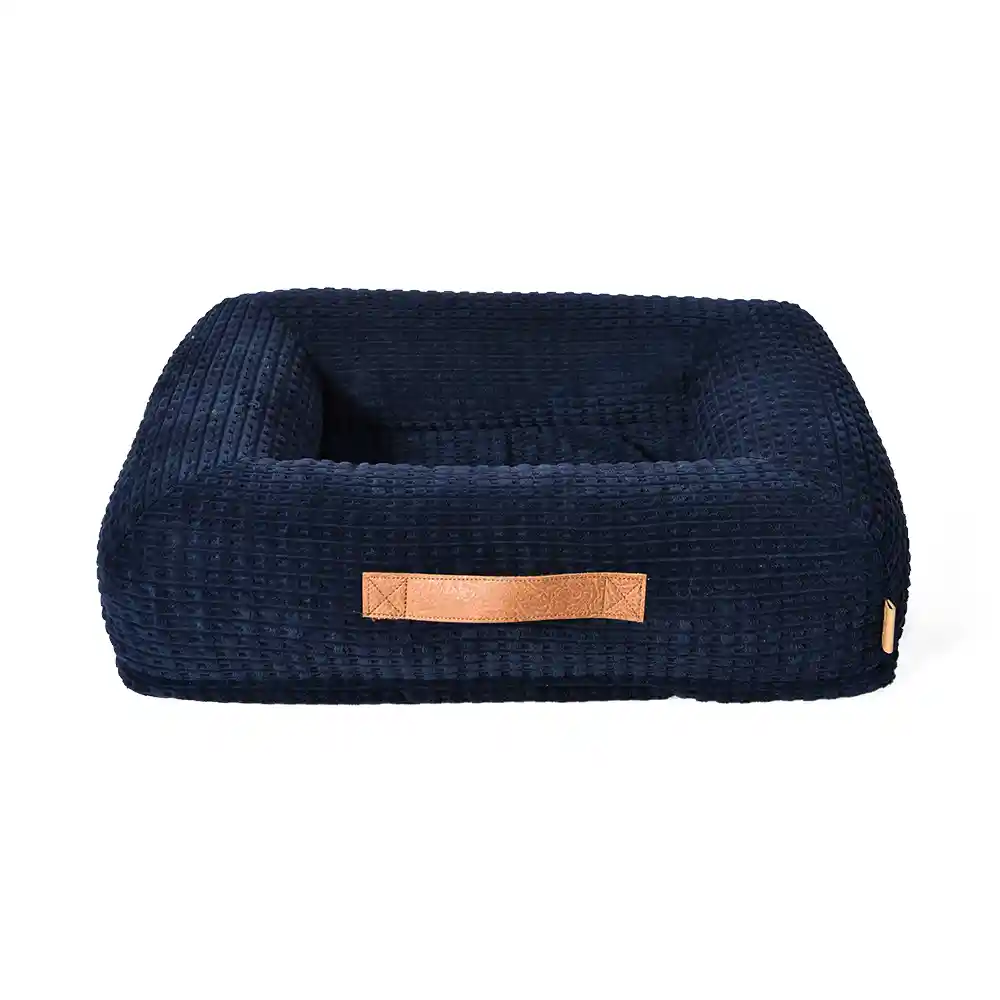
The structure defines how the bed functions in real-world use. Key decisions include choosing between fixed or removable cushions, bolstered sides, open or enclosed spaces, raised edges, or multi-part constructions. These structural choices affect fabric consumption, sewing time, and final unit cost.
Selecting Fabric and Filling for the Target Market
Material selection must support both the product concept and the target price point.
Dog Bed Fabric Selection
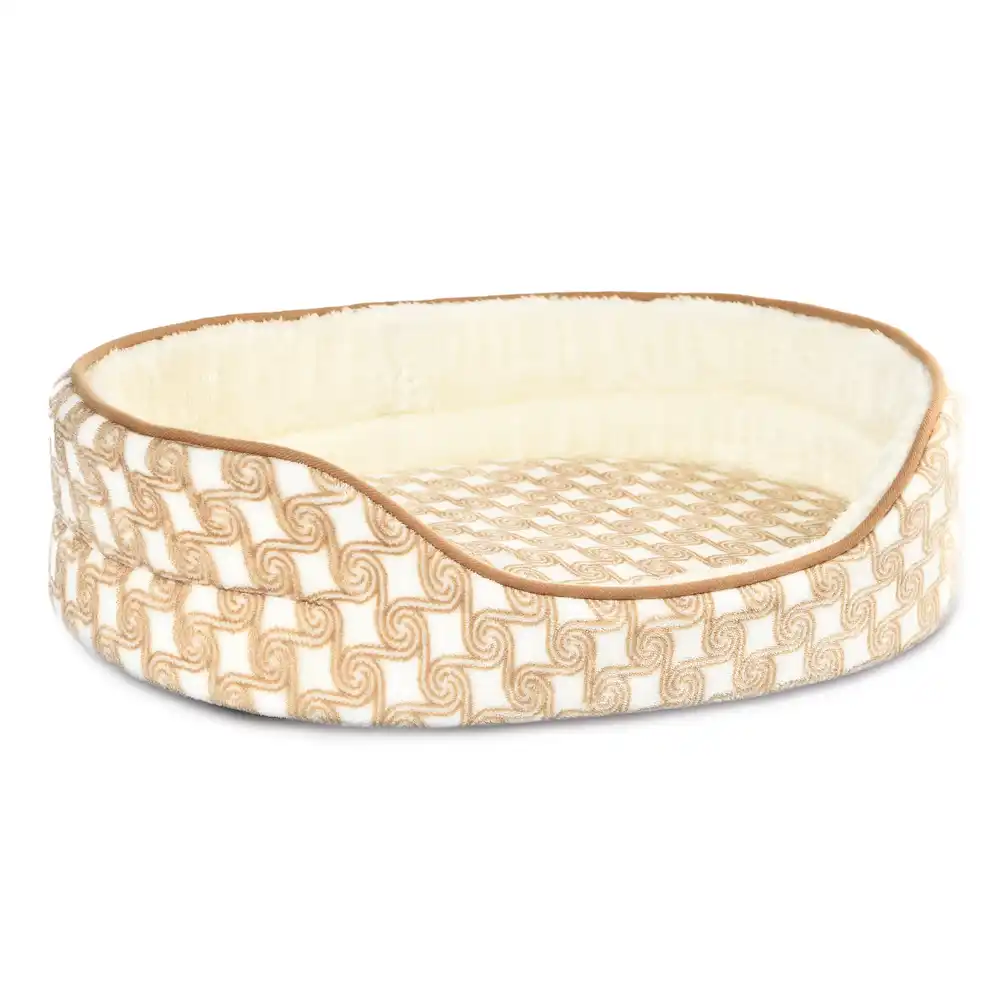
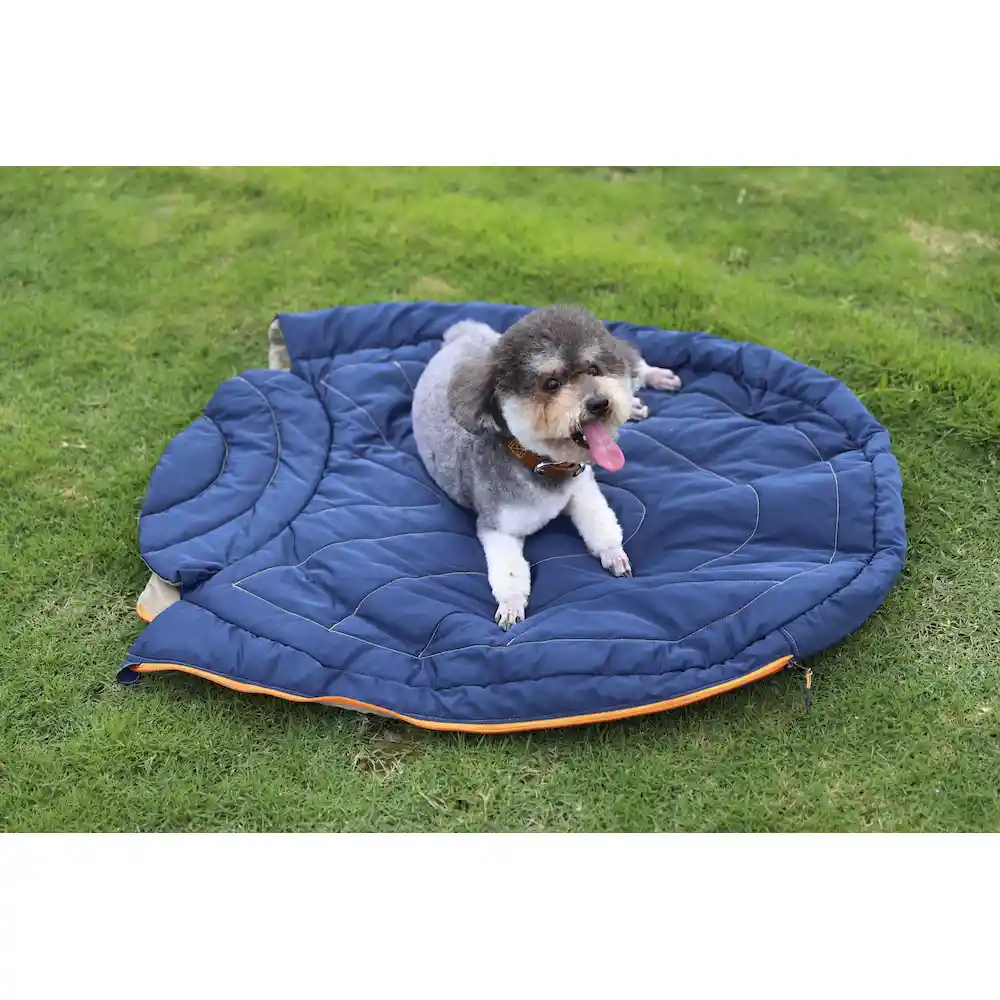
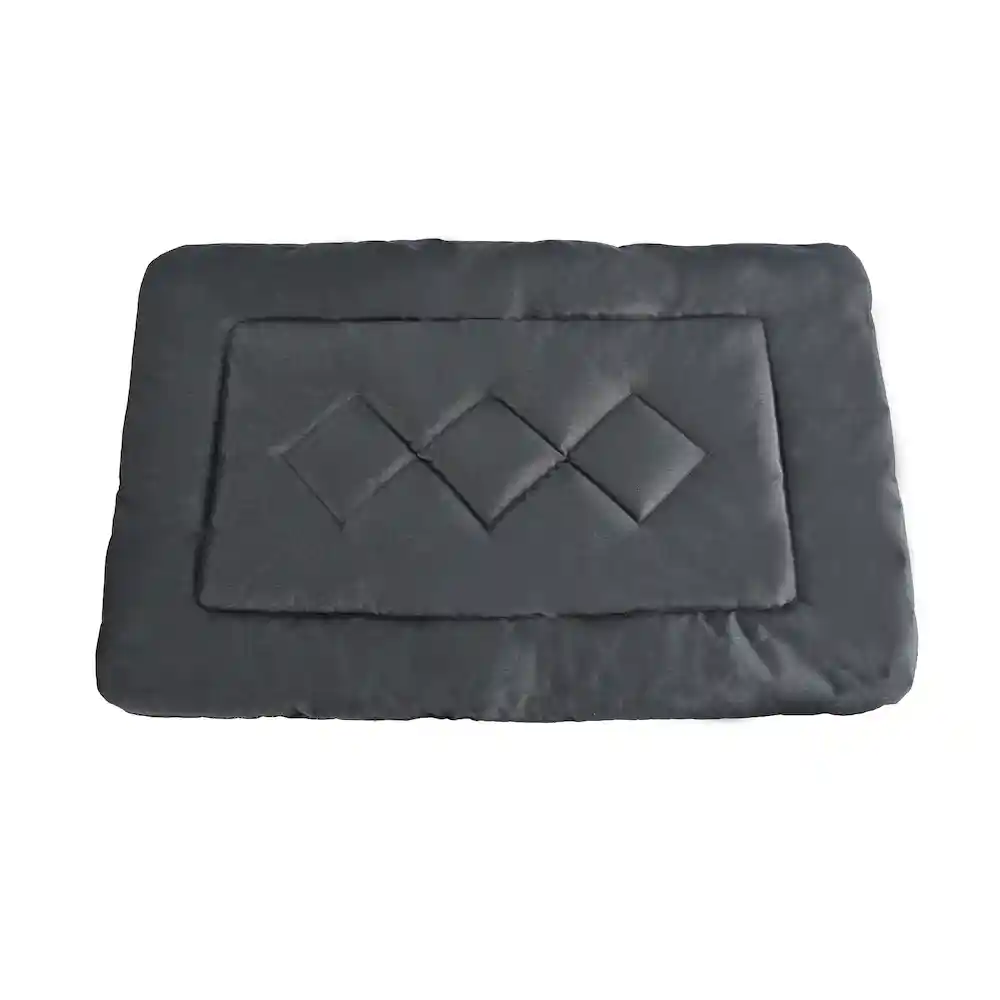
When choosing custom fabric dog beds, buyers evaluate surface appearance, hand feel, durability, washability, seasonal positioning, and cost. Popular dog bed materials include plush, faux fur, fleece, velvet, corduroy, technical waterproof textiles, and recycled fabrics.
Dog Bed Filling Options
The internal dog bed filling material determines the bed's support profile, shipping density, and resilience. Matching the right filling to the intended structure is critical:
| Filling Option | Support Level | Resilience & Recovery | Best Fit Application |
|---|---|---|---|
| PP Katoen | Soft / Plush | High (Good compression recovery) | Standard round beds, bolster walls, plush cushions |
| High-Resilience Base Foam | Firm / Structural | High (Holds firm geometry) | Sofa bed bases, 3D novelty forms, raised edges |
| Orthopedisch traagschuim | Ergonomische ondersteuning | Slow Recovery | Therapeutic beds, senior dog support ranges |
| Hybrid Filling (Foam + Fiber) | Balanced Firmness | High / Durable | Heavy-duty commercial lines, multi-layer cushions |

Developing the Prototype
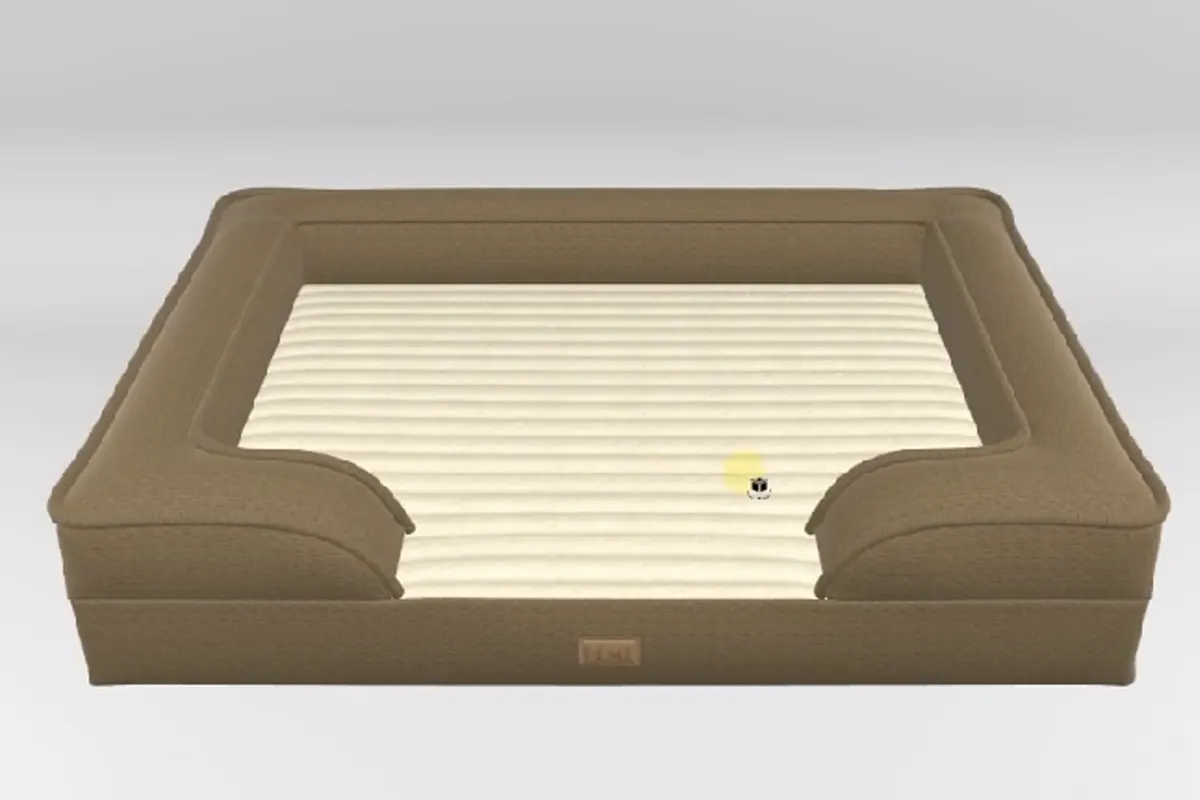
Once main specifications are defined, a physical sample is created for review. Our rapid prototyping pipeline supports a 3–7 day sampling timeframe, depending on fabric availability and customization complexity.
The sample serves as an essential bridge between concept and mass production, allowing buyers to verify shape, dimensions, fabric hand-feel, filling loft, proportion, functional features, and logo placement before committing to bulk orders.
From Sample Approval to Production
A approved sample becomes the locked specification for mass manufacturing. To ensure consistent quality across the production run, key details must be confirmed:
- Product Specification: Final dimensions, approved pattern, fabric GSM, color, filling weight.
- Branding Details: Logo application, woven labels, hangtags, care labels, barcodes.
- Packaging Requirements: Polybags, inner packaging, master carton specifications, instruction inserts.
Locking these details upfront minimizes changes during mass production and supports consistent output across the order.
What Buyers Should Prepare for Custom Dog Bed Development
Preparing a clear brief streamlines the development phase. Buyers contacting a custom dog bed manufacturer should prepare as much of the following information as possible:
Custom Development Checklist
- Reference Image: Visual direction, sketch, or sample reference.
- Target Size: Approximate dimensions or required size range.
- Target Market & Positioning: Entry-level, mid-range, or premium retail positioning.
- Fabric Preference: Preferred texture, GSM, or function (e.g., fleece, velvet, waterproof).
- Filling Preference: PP cotton, base foam, memory foam, or hybrid.
- Functional Requirements: Removable cover, machine washable design (see our custom washable dog bed constructions), anti-slip base.
- Branding Requirements: Logo artwork, label placement, packaging preferences.
OEM & ODM Customization Options
Custom development covers both product construction and retail presentation. Available customization elements include:
Design Originality vs. Manufacturing Feasibility
A strong product concept needs more than a distinctive appearance—it must be practical to manufacture at scale. During technical evaluation, the development team reviews the concept across key feasibility areas:
- Shape Feasibility: Can the intended structure be sewn consistently during high-speed production?
- Material Suitability: Does the selected fabric accommodate the seam stress and pattern curves?
- Filling Stability: Will the filling maintain its intended shape and loft over time?
- Seam Construction: Can internal seams and zippers be assembled cleanly without failure points?
- Kwaliteitscontrole: Can the approved Golden Sample be reproduced uniformly across thousands of units?
Evaluating feasibility early ensures the product moves smoothly from sample approval to stable bulk production.
For Wholesale & Private Label Programs
Our custom development services are engineered for wholesalers, distributors, importers, retailers, and private-label brands rather than single-unit consumer orders.
Veelgestelde vragen