Executive Procurement Brief:
Building a competitive winter pet bedding collection requires aligning market demand with strict regulatory safety. This evaluation guide provides supply chain executives with a clear technical comparison between passive and active warming lines:
- Thermal Textile Physics: Deep dive into non-electric insulation, benchmarking laboratory thermal resistance for Far-Infrared Fiber (7.05 clo) and acoustic-dampened Noise-Free Thermal Foil (5.57 clo) layers.
- Smart Electrical Engineering: Technical analysis of active heating systems, highlighting 3-step adjustable temperature zones (40–55°C), 5V-12V low-voltage safety parameters, and stainless steel chew-proof cords.
- Compliance & Global Logistics: Crucial risk-management parameters regarding CE/RoHS factory audits, 60% high-ratio vacuum packaging, and low-MOQ (300 PCS) private-label OEM pet beds opportunities.
For pet retailers, distributors, and private-label brands, choosing between self-warming pet beds en electric heated pet beds is not simply a product decision.
It directly affects critical supply chain variables, including compliance requirements, inventory risk, target customer groups, retail pricing, and long-term product liability exposure.
Although both categories are designed to improve pet comfort in colder environments, they solve distinctly different market needs and require completely separate sourcing strategies.
Understanding these operational differences helps international buyers build more profitable and compliant pet bed collections.
What Is the Difference Between Self-Warming and Electric Heated Pet Beds?
| Functie | Self-Warming | Electric Heated |
|---|---|---|
| Stroombron | None | USB / DC |
| Heat Generation | Reflect Body Heat | Active Heating |
| Compliance Requirements | Standard Textile | CE / RoHS Certified |
| Risk Level | Laag | Medium (Electrical Safety Checked) |
| Retail Pricing Tier | Mid-Range | Premium |
| Typical User Target | General Indoor Pets | Senior / Arthritis Pets |
The commercial pet bedding contract market generally segregates specialized warming architectures into two structural tracks:
- Passive thermal systems (Non-electric self-warming pet beds)
- Active thermal engineering (Wired electric heated pet beds)
The primary engineering differentiator lies in energy distribution and compliance complexity.
Passive self-warming variants rely entirely on advanced textile layering to capture and redirect an animal's radiant heat footprint without utility costs. Conversely, active electric heated systems generate targeted heat using insulated resistive alloy wires powered by low-voltage AC/DC adapters, USB power banks, or portable outdoor power stations.
How Self-Warming Pet Beds Retain Heat Without Electricity
Unlike automated heating appliances, private-label self-heating pet beds do not actively create thermal energy. Instead, they operate as an optimized barrier against thermodynamics, boosting thermal retention and eliminating ambient heat loss.
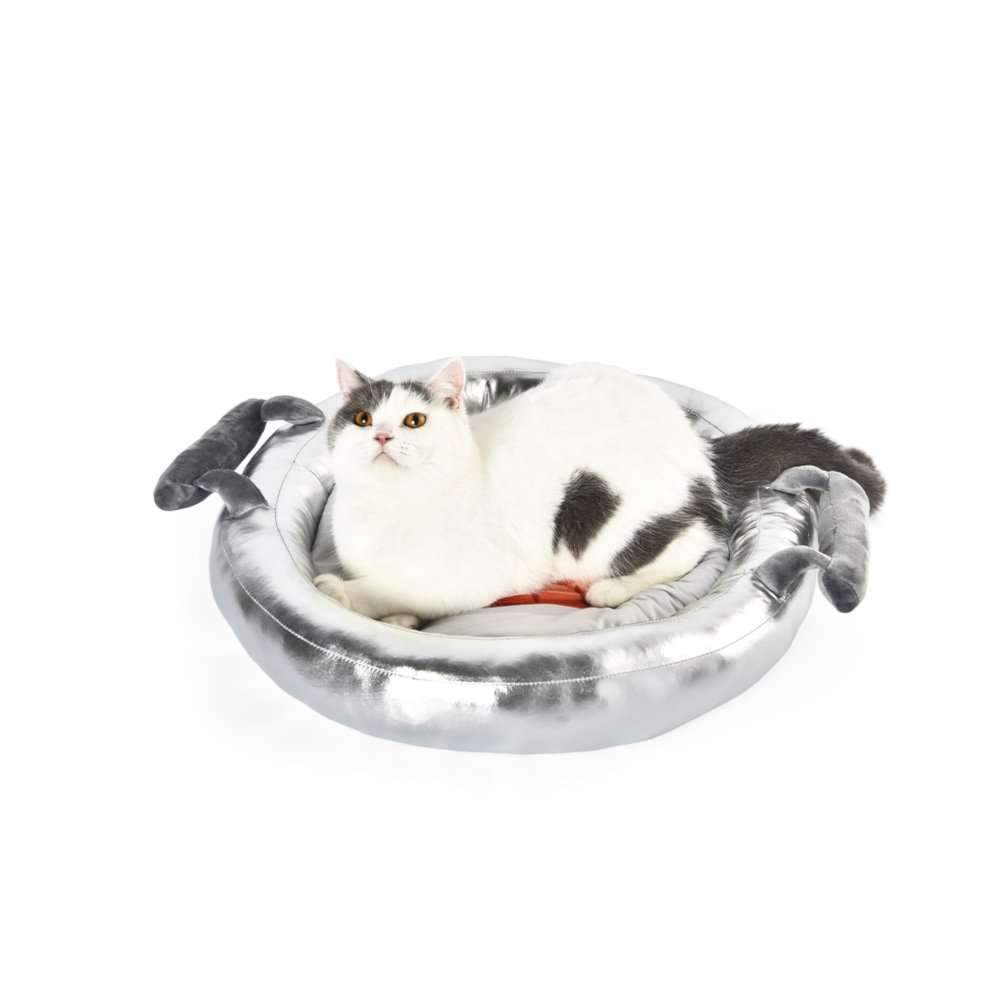
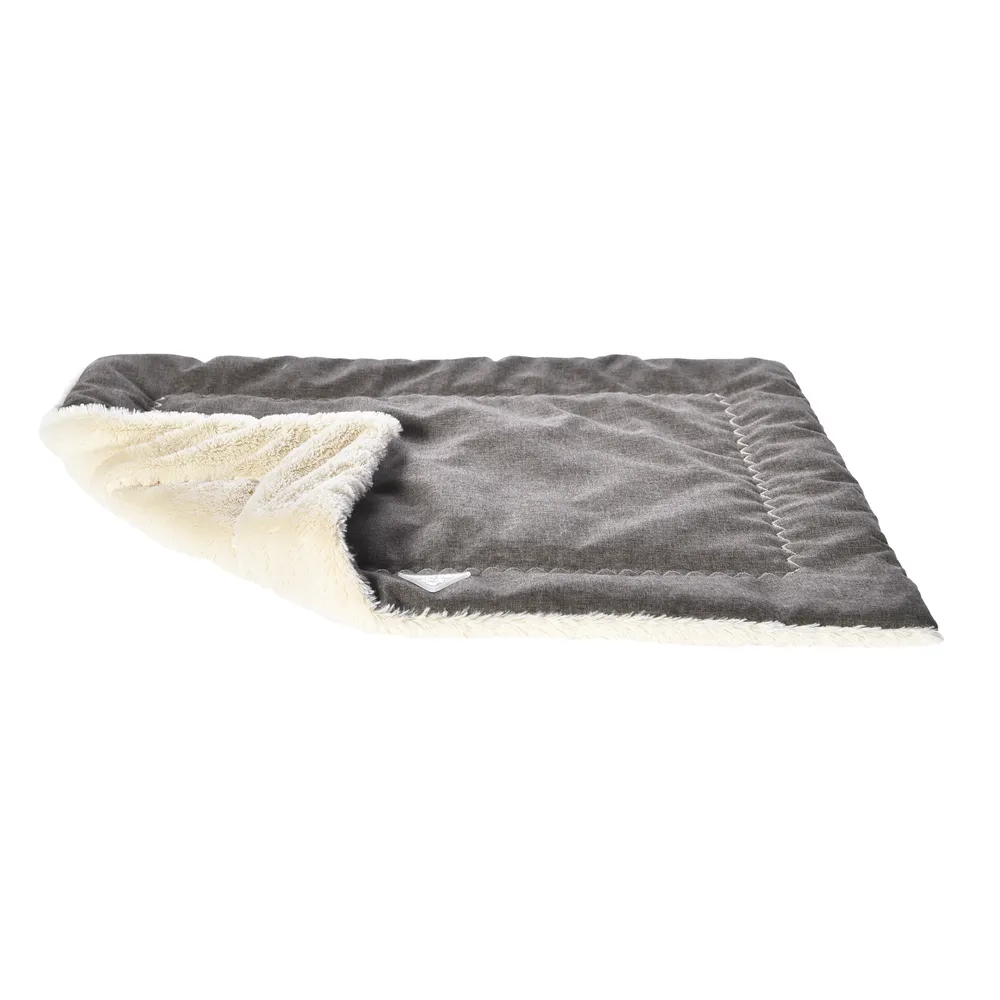
When an animal rests inside the bed, the internal fabric superposition reflects their own body warmth back to the sleep surface. Today, professional pet bed factory lines utilize two distinct passive materials to capture global mass-market orders:
1. Noise-Free Thermal Foil Technology
Standard legacy thermal foils create a loud, crinkling metallic sound under pet movement, causing high customer return rates on major e-commerce platforms. Modern noise-free thermal foil setups completely eliminate this issue by laminating the reflective layer inside acoustic-dampening warm filling matrices, providing consistent warmth without structural noise.
| Product Archetype (Sourcing Specs) | Thermal Resistance Value (Insulation Rating) |
|---|---|
| Regular Polyester Pet Bed | 4.22 clo (0.355 m²K/W) |
| Acoustic-Dampened Noise-Free Foil Layering | 5.57 clo (0.864 m²K/W) |
2. Far-Infrared Fiber Technology
Representing the elite tier of non-electric winter product development, far-infrared fiber doesn't merely reflect heat—it absorbs ambient thermal radiation and re-emits it into the core bedding layers, making it highly coveted for premium orthopedic seasonal pet bedding lines.
| Product Archetype (Sourcing Specs) | Thermal Resistance Value (Insulation Rating) |
|---|---|
| Premium Far-Infrared Fiber Superposition Bed | 7.05 clo (1.09 m²K/W) |
How Electric Heated Pet Beds Work: Automated Temperature Engineering
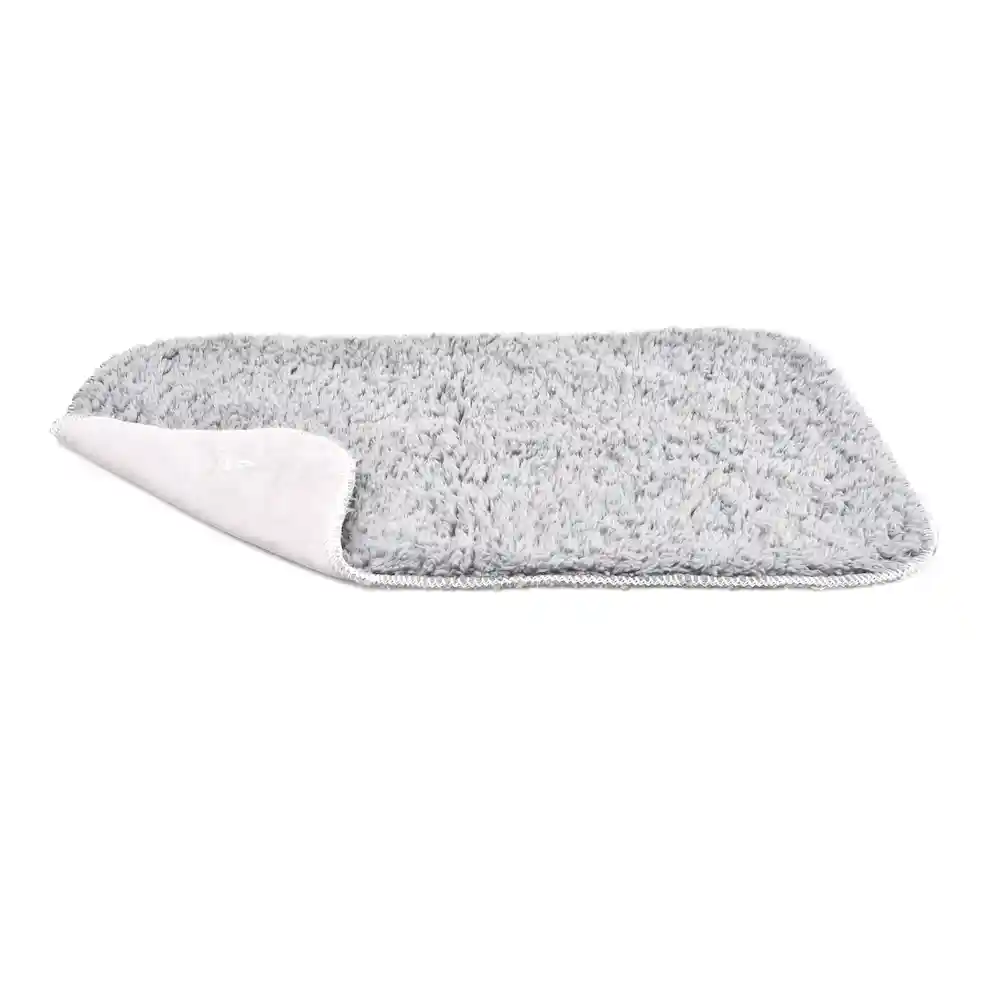
Active electric heated pet beds utilize a multi-layered insulated configuration—typically sandwiching a custom electric heating wire between flame-retardant insulating fabrics—to deliver reliable, direct warmth.
To satisfy international retail consumer safety laws, professional OEM lines are engineered with intelligent temperature sensor regulators, offering three distinct adjustable temperature ranges:
- Low Setting: 40–45°C (104–113°F) — Ideal for prolonged overnight thermal stability.
- Medium Setting: 45–50°C (113–122°F) — Optimized for standard cold-climate indoor use.
- High Setting: 50–55°C (122–131°F) — Configured for extreme winter or therapeutic relief.
To maintain high-margin status across Western specialized retail channels, premium factory-direct variants support the following modern B2B features:
- Flexibel USB connection capabilities compatible with standard mobile power banks.
- Removable heating elements for seamless machine-washable outer cover maintenance.
- Stainless steel chew-proof cords to completely isolate electric leakage risks from aggressive breeds.
- High-grade waterproof wire coatings that can be safely rinsed with water during cleaning.

Which Channels and Markets Prefer Self-Warming Pet Beds?
Passive self-warming pet bedding holds dominant placement across mass-market retail chains, supermarket buying offices, and high-volume e-commerce channels. Because these products carry zero electrical components, they circumvent tedious regulatory certifications, keeping initial sourcing costs low and legal liability risks minimal.
Volume buyers focus on this category for the following consumer brackets:
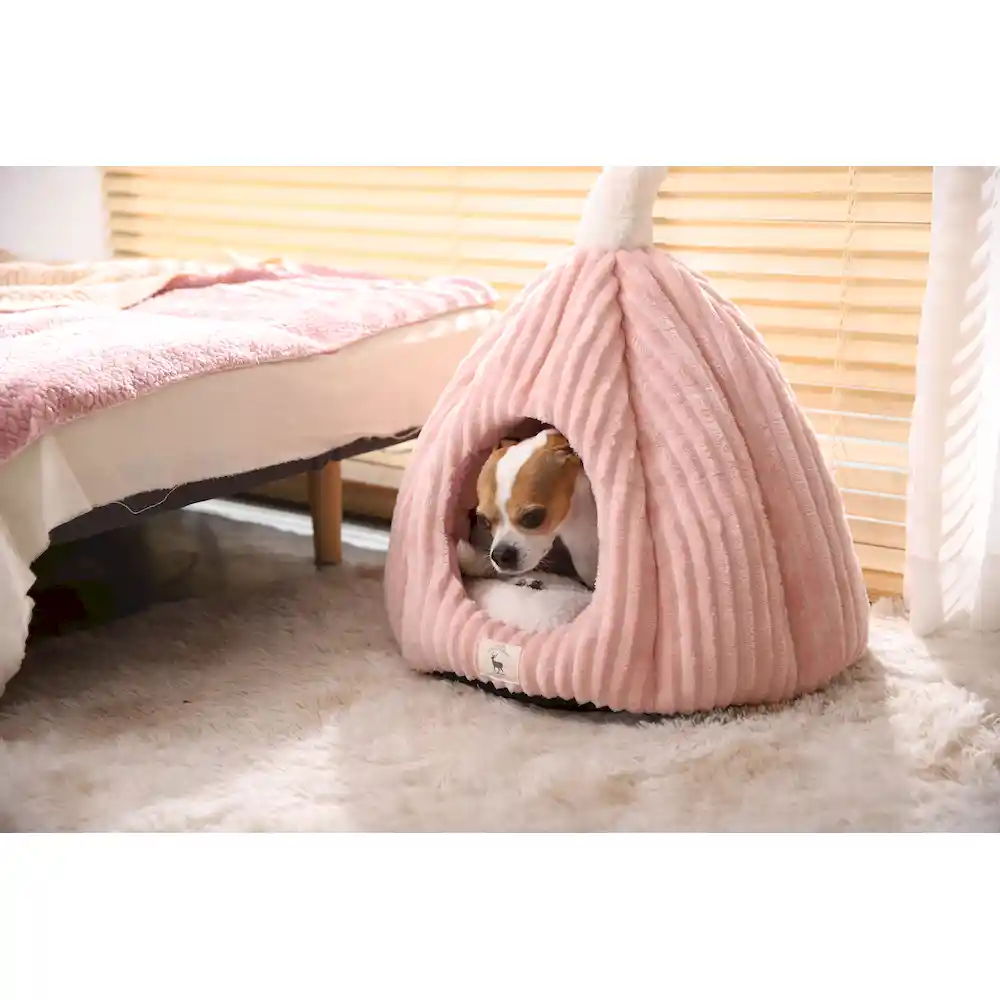
- Apartment pet owners and indoor companion cats/dogs.
- Compact travel pet product programs where portability is vital.
- Eco-conscious consumer networks demanding circular economy initiatives.
Our manufacturing infrastructure effortlessly merges this passive warming technology with sustainable product assets. Sourcing offices can order custom lines built with GRS certified rPET fabrics derived from recycled plastic bottles, pairing high-density thermal performance with strict global environmental compliance.
Which Channels and Markets Prefer Electric Heated Pet Beds?
Wired active heating solutions are positioned straight toward high-value pet specialty catalogs, veterinary networks, and geographical regions facing severe sub-zero winter temperatures.
Geographical procurement hubs showing the highest seasonal demand index include the Northern United States, Canada, Northern Europe, and Scandinavian countries. Within these core target landscapes, commercial buyers capitalize on specialized health and lifestyle sub-categories:
- Therapeutic bedding tailored for senior dogs requiring a functional verwarmd hondenbed and senior cats needing an indoor verwarmd kattenbed.
- Joint relief orthopedic cushions for pets suffering from chronic arthritis.
- Heavy-duty insulated bedding for outdoor kennels or rural farm environments.
Safety, Compliance, and Factory Audit Protocols
For global retail brands, electrical safety is the absolute primary barrier during vendor qualification. Unlike self-warming textiles, any powered electrical item face heavy inspection from customs authorities and corporate compliance teams.
To secure smooth importation past Western borders, an audited fabriek voor huisdierenbedden must present transparent documentation proving the following electronic safety metrics:
- Complete CE and RoHS compliance certifications for European distribution networks.
- Low-voltage DC step-down systems to ensure total animal protection in case of product damage.
- Verified laboratory testing reports on automated overheating cut-off protection modules.
- UL flame-retardant verification for internal foam and protective fabric housings.
When international procurement executives evaluate bulk contract manufacturing partners, they mitigate supply chain friction by demanding answers to structural product durability queries: Is the internal heating element fully removable? Can the shell survive standard industrial washing cycles without fabric degradation? Is the power cable shielded with heavy-duty armor to stop a large breed from chewing the cord? Factories that possess native in-house testing labs managed by professional lab technicians consistently win these premium private-label contracts.
Tiered Product Positioning: Maximizing Category Retail Margins
Experienced pet brands do not treat passive and active heating lines as competing products; instead, they deploy a tiered product positioning strategy within a single seasonal catalog to maximize market share across multiple consumer spending brackets:
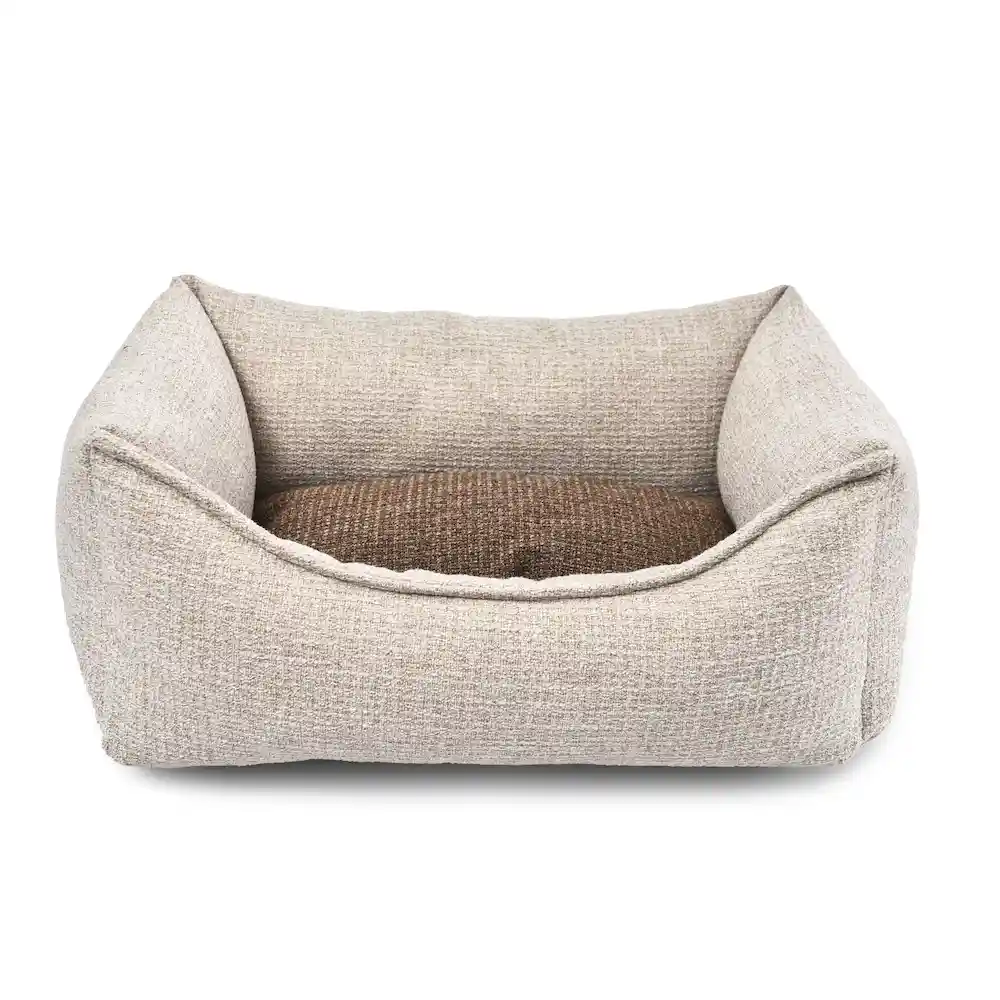
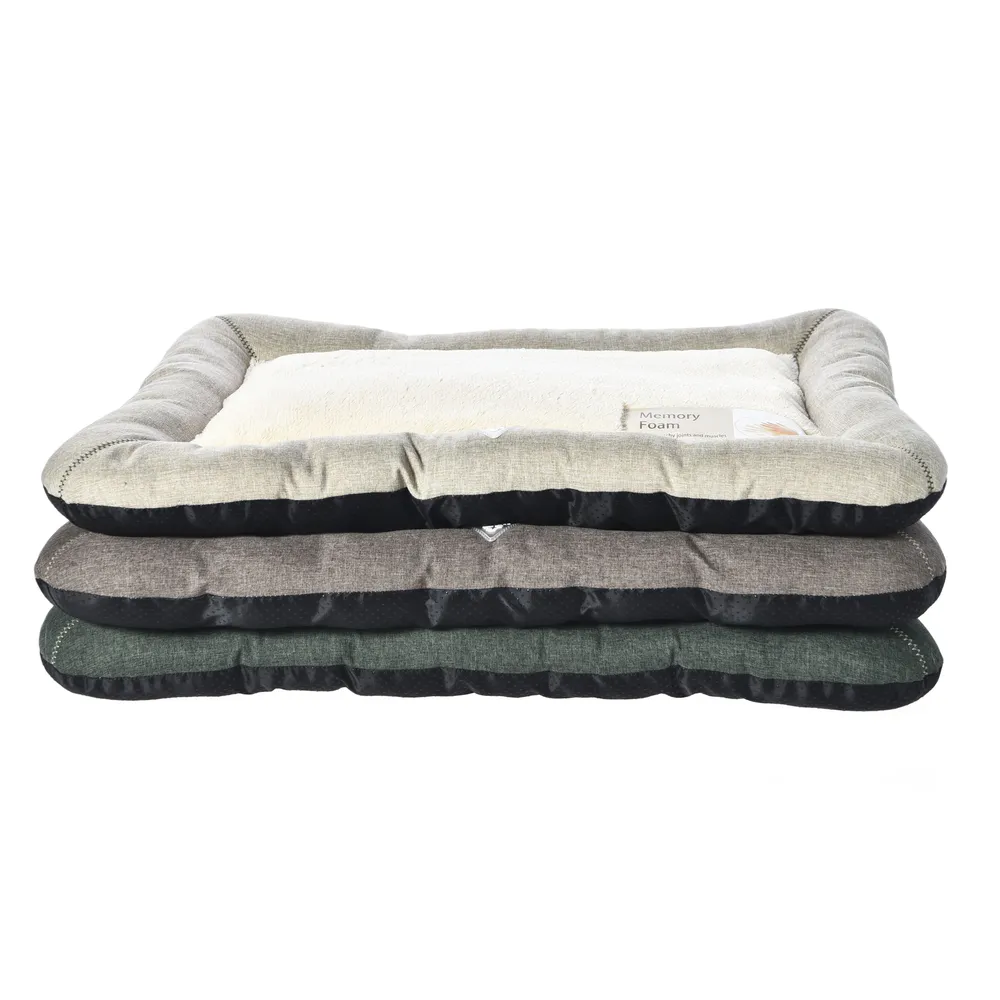
- Entry-Level Tier: Standard fiber-fill beds paired with basic self-heating blankets.
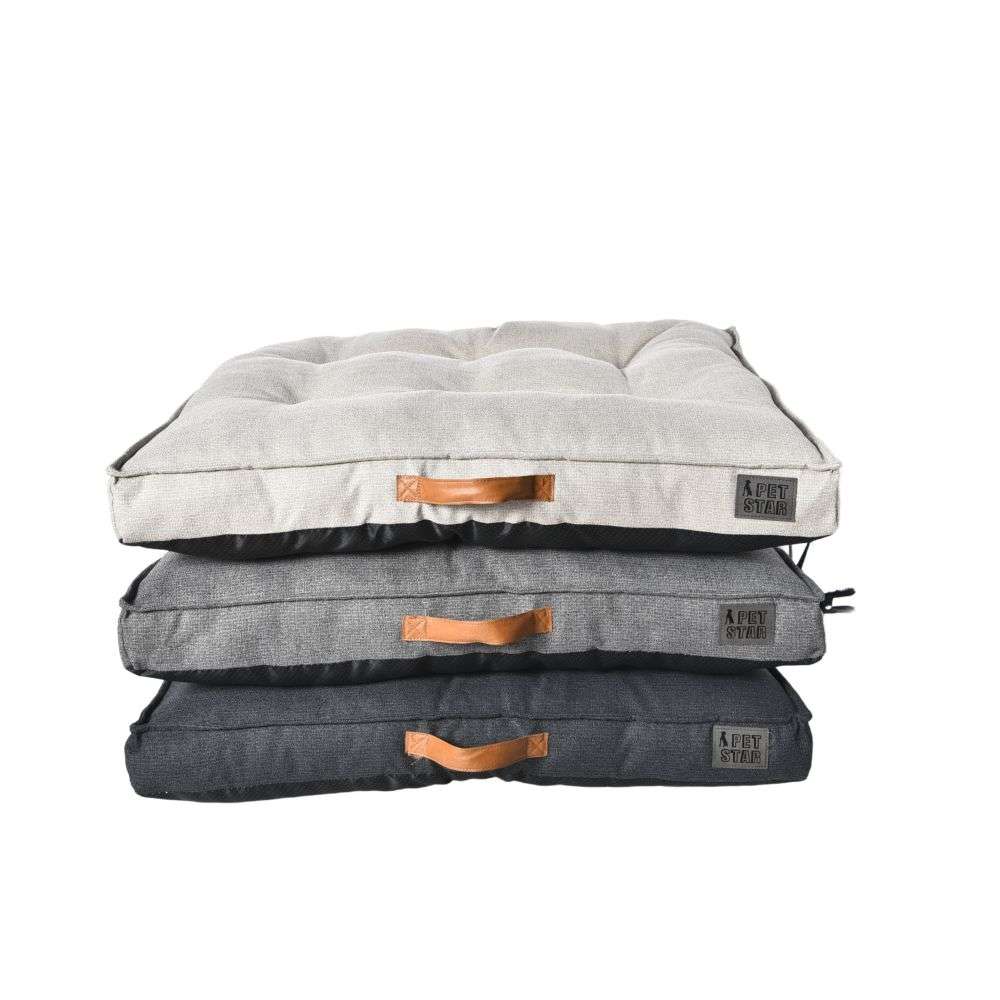
- Mid-Range Volume Tier: Superposition beds integrated with acoustic-dampened noise-free thermal foil.
- Premium Specialized Tier: Luxury orthopedic lines utilizing Far-Infrared Fiber (7.05 clo) matrices.
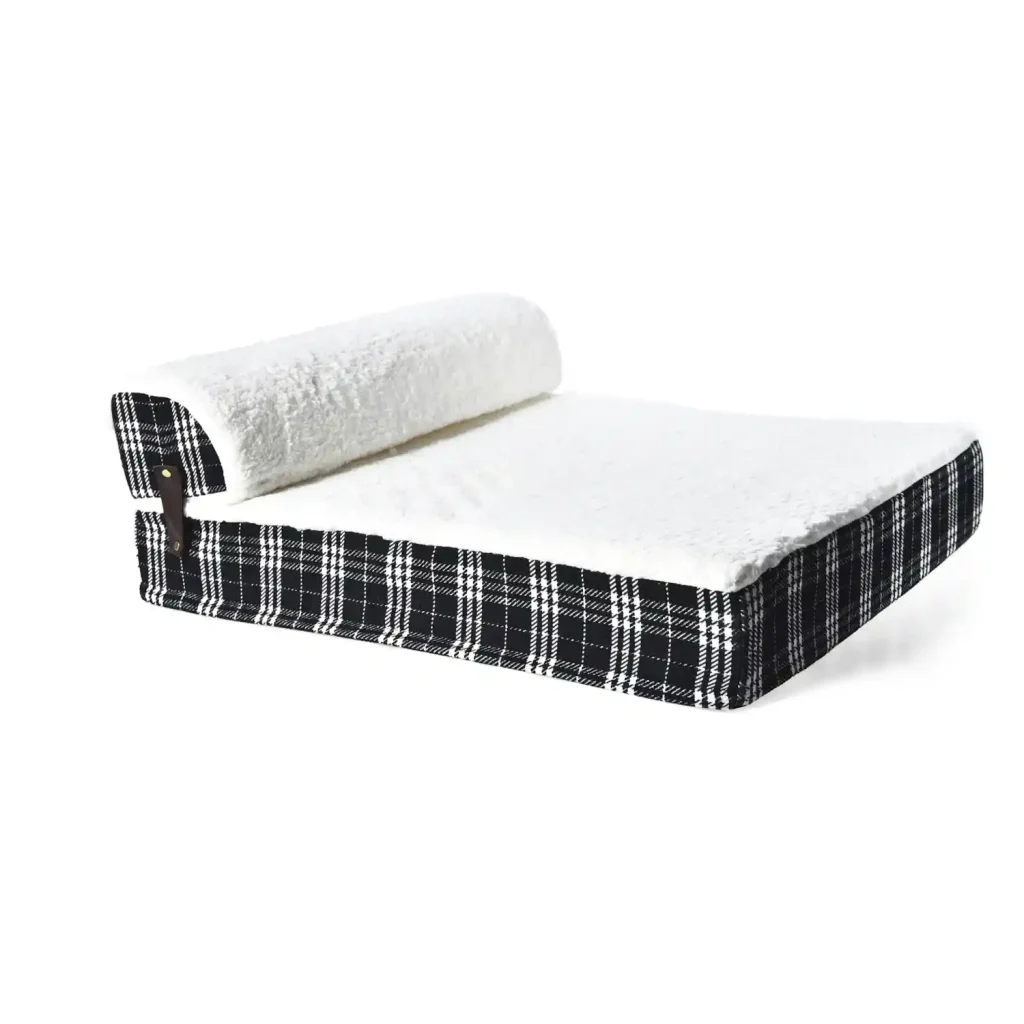
- Elite Health/Specialty Tier: Intelligent, low-voltage electric heated orthopedic beds with removable components.
This tiered framework allows volume buying groups to satisfy mass-market price points while capturing premium, high-margin revenue from technical pet wellness segments.
OEM and Factory Customization for Private Label Programs
As a tier-one listed pet product manufacturer, our multi-regional infrastructure across China, the United States, and Cambodia delivers end-to-end OEM/ODM contract solutions tailored to your brand's strict target pricing. Our scalable factory operations support:
- Bespoke logo embroidery, private-label packaging, and retail-ready custom color dye-lots.
- Voltage engineering and adapter modifications specific to US, EU, and UK socket standards.
- High-efficiency vacuum space-compression packing, reducing ocean freight volume by up to 60%.
- Mixed container consolidation, allowing wholesale buyers to mix GRS sustainable lines with orders from a certified bolster dog bed manufacturer under a single shipping manifest.
While electric heated items command premium wholesale price breaks, smart retail networks hedge their logistical and compliance exposure by diversifying into passive thermal textile lines. For a granular material breakdown regarding layer engineering, transaction tracing, and how advanced insulation functions without utility current, review our corporate masterclass on how self-warming pet beds work to refine your next seasonal contract parameters.
Conclusie
Ultimately, self-warming and electric heated pet beds operate as complementary pillars of a mature winter pet collection. Passive self-heating technologies provide a safe, maintenance-free, lower-risk solution ideal for mass retail placement. Active electric systems provide the targeted, high-output thermal performance required for senior canine health, extreme cold climates, and specialized premium pet care segments.
For global sourcing teams planning future private-label portfolios, partnering with a multi-region certified manufacturer—operating as a fully verified BSCI Certified, SMETA-4P Compliant, and Costco Audited Facility—is the ultimate step to guarantee long-term market competitiveness, seamless regulatory entry, and exceptional retail profitability.